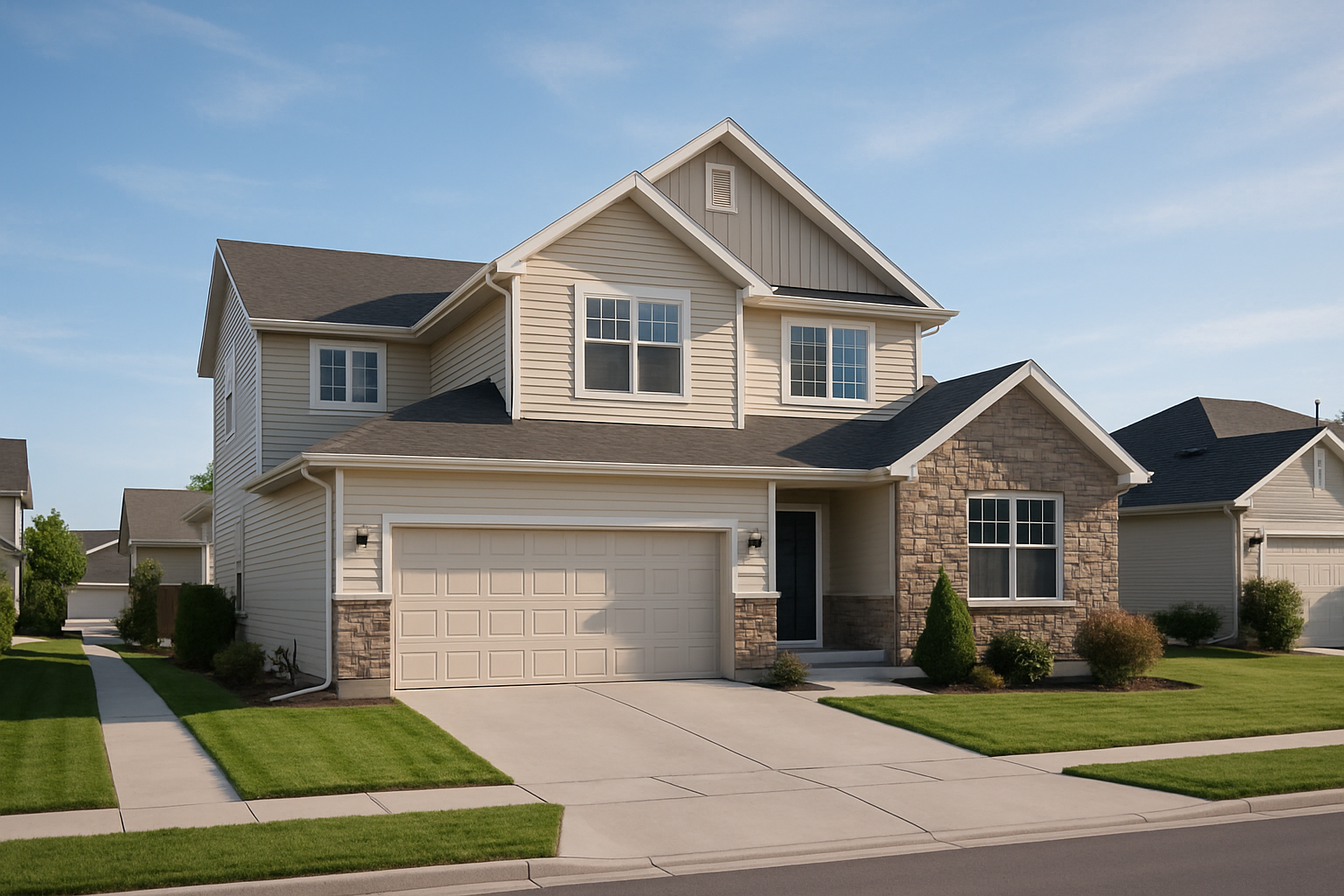
Utah Foreclosure Auction vs REO — Which Is Safer for Buyers Looking for Distressed Properties?
If you're weighing a Utah foreclosure auction vs REO for safer buying, the short answer is this: REO (Real Estate Owned) properties are significantly safer for most buyers. Auctions carry serious risks — no inspection rights, title complications, and cash-only requirements that catch many buyers off guard. REO properties, by contrast, have already been reclaimed by the lender, cleared of redemption periods, and listed on the open market with standard purchase protections. For buyers in Davis County communities like Farmington, Kaysville, Layton, and Bountiful, understanding this distinction before you make a move can save you tens of thousands of dollars — and a lot of heartache.
What Exactly Happens at a Utah Foreclosure Auction?
In Utah, most residential foreclosures are handled as non-judicial trustee sales. When a homeowner defaults and the lender completes the foreclosure process, the property goes to auction — typically on the courthouse steps or at a designated county location. You can review the procedural framework at Utah State Courts to understand how lien rights and redemption periods are structured under Utah law.
Here's what buyers face at these auctions:
- Cash only, same day. Most trustee sales require full payment in cash or certified funds at the time of sale. No mortgage financing is accepted.
- No inspection period. You cannot walk through the property before bidding. You're buying completely blind — foundation issues, mold, fire damage, and squatter occupation are all possibilities.
- Title risk. Junior liens, IRS liens, and HOA claims may survive the foreclosure depending on lien priority. You could win the bid and inherit debt.
- Redemption rights. In some Utah cases, the original homeowner may have a limited redemption period after the sale, complicating your immediate ownership.
- No disclosure requirements. Utah's seller disclosure laws don't apply to trustee sales. What you don't know can absolutely hurt you.
Experienced investors who attend these sales regularly understand these risks and price them in. First-time buyers and even seasoned homeowners, however, routinely underestimate the exposure.
What Is an REO Property and How Is It Different?
REO stands for Real Estate Owned — meaning the lender (bank, government agency, or GSE) has already taken the property back through foreclosure and now owns it outright. The auction didn't produce a winning third-party bid, so the lender is now the seller.
REO properties are sold through traditional real estate channels, often listed on the MLS. Buyers can search active REO listings right now at UtahFreeHomeSearch.com, where the search tool pulls live MLS data including bank-owned and government-owned homes throughout Davis County and the Wasatch Front.
David Supinger, Broker/Owner of HomeClick Real Estate and a REO Specialist Certified professional with 17+ years of REO disposition experience, explains the fundamental difference: "When you buy at auction, you're betting on information you don't have. When you buy REO, the property has been reclaimed, the title has been cleared by the lender's legal team, and you get to do your due diligence like any other purchase. It's not the wild west anymore."
Key advantages of buying REO over auction:
- Clean title. Lenders clear most encumbrances before resale. Title insurance is available and customary.
- Financing allowed. FHA, VA, conventional, and USDA loans are all typically accepted on REO purchases, depending on the property condition.
- Inspection contingencies. You can hire a licensed inspector before committing. Problems discovered during inspection can be negotiated or used to exit the contract.
- Standard disclosure requirements. While lenders often have limited knowledge of property history, they must disclose known material defects.
- Predictable process. REO purchases follow a familiar escrow and closing timeline, with title companies and attorneys involved throughout.
How Does HUD REO Work in Utah?
One of the largest sources of REO inventory in Davis County and along the Hill AFB corridor comes from HUD — the U.S. Department of Housing and Urban Development. When an FHA-insured loan goes to foreclosure, HUD takes the property back and lists it for resale. Buyers and agents can review available HUD homes directly at HUD.gov.
David Supinger has served as a National Listing Broker (NLB) for HUD, FDIC, and Fannie Mae — a designation that places him among a very select group of agents authorized to list and manage government-owned REO inventory in Utah. With 1,300+ homes sold and recognition as a Wall Street Journal Top 250 agent (#189 nationally), he brings an institutional understanding of how these agencies price, list, and negotiate their properties — insight that's enormously valuable when you're on the buying side of one of these transactions.
HUD homes are sold through a sealed-bid process with priority given to owner-occupant buyers in the first listing period. Investors can only bid after that window closes. For buyers in Farmington, Kaysville, and Layton who qualify as owner-occupants, this creates a real competitive advantage over investors — but only if you understand how to navigate the bidding process correctly.
Are There Cases Where a Foreclosure Auction Makes Sense for Buyers?
Truthfully, yes — but the profile is narrow. Foreclosure auctions in Utah make sense primarily for:
- Experienced real estate investors with deep cash reserves and the ability to absorb unknown property conditions
- Buyers who have thoroughly researched the specific property through public records, drive-bys, and title searches before bidding
- Flippers with contractor relationships who can quickly assess and mitigate risk
For primary residence buyers, move-up buyers, and even most investors in Davis County, REO purchases offer a far better risk-adjusted opportunity. The discount at auction may sound appealing, but hidden costs — deferred maintenance, title complications, rehab requirements — often erode or eliminate any savings.
Buyers considering either path should also be aware of related distressed-sale options like short sales, which present their own timeline and negotiation dynamics. The Certified Short Sale Expert program provides in-depth training for agents and is a useful reference for buyers who want to understand the short sale landscape alongside foreclosure and REO options.
What Should Utah Buyers Do Before Pursuing Any Distressed Property?
Whether you're eyeing an auction or an REO listing, preparation is everything. David Supinger — whose 33+ years of experience in Utah real estate spans hundreds of distressed-property transactions — recommends buyers take these steps before pursuing either path:
- Get pre-approved for financing — even if you have cash. Knowing your ceiling keeps you disciplined at auction and competitive on REO offers.
- Research the property's title history — unpaid HOA fees, tax liens, and junior mortgages can all create post-purchase nightmares.
- Search active REO inventory first — before chasing auction properties, check what's already listed. Visit UtahFreeHomeSearch.com to search current bank-owned listings across Davis County with no registration required.
- Hire a local agent with REO experience — national platforms don't know that a specific Layton neighborhood has drainage issues, or that a particular Bountiful REO was previously a rental with deferred maintenance. Local expertise matters.
- Review market comparables carefully — distressed properties are often priced below market, but "below market" doesn't always mean "good deal" once you account for repairs. The National Association of REALTORS® publishes regular distressed-property market data that can help contextualize local pricing trends.
To speak directly with David Supinger about current REO inventory or upcoming auction opportunities in Davis County, call 801-698-2526. His institutional knowledge of how lenders price and position REO properties gives buyers a meaningful edge in negotiations.
Frequently Asked Questions: Utah Foreclosure Auction vs REO for Buyers
- Q: Can I use a mortgage to buy a home at a Utah foreclosure auction?
- A: Almost never. Utah trustee sales require cash payment at the time of the sale. Mortgage financing is not accepted at the auction itself. This alone eliminates most traditional homebuyers from participating. REO properties, by contrast, accept conventional, FHA, VA, and other loan types in most cases.
- Q: How do I find REO homes for sale in Davis County, Utah?
- A: The most reliable way is to search the MLS directly. UtahFreeHomeSearch.com provides free, live MLS access including bank-owned and government-owned properties in Farmington, Kaysville, Layton, Bountiful, and surrounding communities — no sign-up required.
- Q: Is the title clean when I buy a foreclosure auction property in Utah?
- A: Not necessarily. While the foreclosure process does extinguish some liens, IRS liens, HOA superpriority claims, and other encumbrances may survive depending on their recording date and lien type. REO properties have typically been cleared by the lender's legal team before resale, and title insurance is available. Foreclosure auction purchases carry significantly more title risk.
- Q: What is the difference between a HUD home and a regular bank REO?
- A: HUD homes are properties previously financed with FHA-insured loans that have gone through foreclosure. HUD, a federal agency, now owns and sells them through an online bidding system at HUD.gov. Regular bank REO properties are owned by private lenders and sold through the traditional MLS. Both offer more buyer protections than auction purchases, but HUD's sealed-bid process has unique rules that require agent expertise to navigate effectively.
- Q: How long does it take to close on an REO property compared to a foreclosure auction?
- A: Foreclosure auction purchases, when won by a third-party buyer, typically require same-day or next-day payment with a very short settlement window. REO purchases follow a more traditional 30–45 day closing timeline, though some lenders — particularly government agencies — may require addenda and asset manager approvals that add time. David Supinger's experience as a former NLB Listing Broker for HUD and Fannie Mae means he understands these institutional timelines and can help buyers set realistic expectations from the start.
This information is for educational purposes only and does not constitute legal or financial advice. Consult a licensed Utah attorney or financial adviser for guidance specific to your situation.
About David Supinger
David Supinger is REO Specialist Certified with 17+ years REO experience. NLB Listing Broker for HUD, FDIC, Fannie Mae. Broker/Owner HomeClick Real Estate, 33+ years. 801-698-2526 | utahfreehomesearch.com