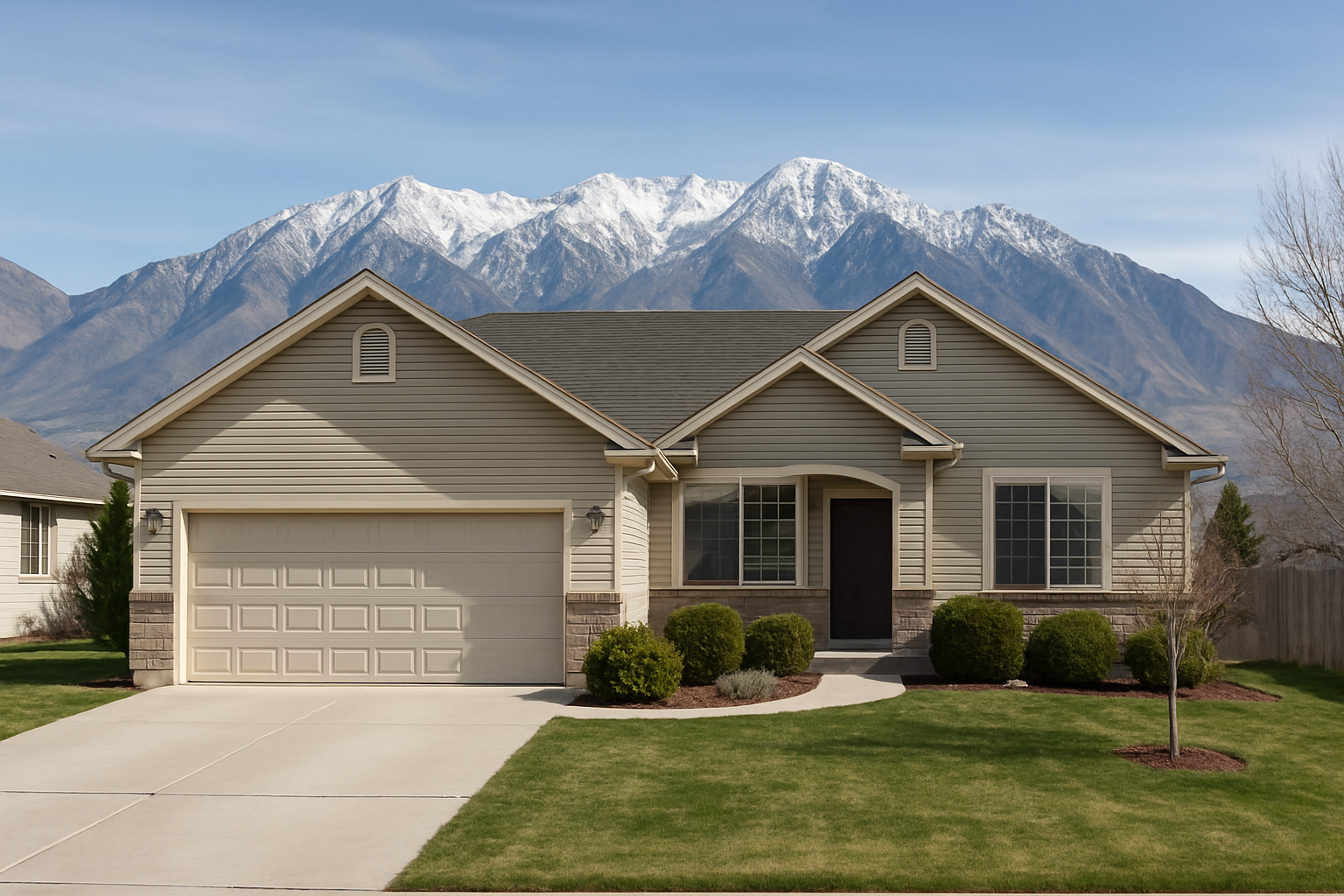
Short Sale vs. Foreclosure in Utah: What Distressed Homeowners Should Choose
If you're a distressed homeowner in Utah facing the possibility of losing your home, the most important thing you need to know right now is this: a short sale is almost always the better option than letting your home go to foreclosure. A short sale gives you more control, causes less damage to your credit, and can position you to buy another home years sooner than foreclosure will allow. That said, every situation is different — and getting the right guidance from a qualified professional in Davis County can make the difference between financial recovery and financial ruin.
What Is the Difference Between a Short Sale and a Foreclosure in Utah?
A short sale occurs when your lender agrees to let you sell your home for less than what you owe on the mortgage. The sale is "short" of the payoff balance, and the lender accepts the proceeds as full or partial settlement of the debt. You remain in control of the sale process, you choose the listing agent, and you negotiate the timeline.
Foreclosure, on the other hand, is a legal process initiated by your lender after you've defaulted on your loan. In Utah, most foreclosures are non-judicial, meaning lenders can foreclose through a trustee sale without going through the court system — though judicial foreclosures do exist and homeowners can learn more about how those proceedings work through Utah State Courts. With foreclosure, you lose control entirely. The lender takes the property, sells it at auction, and the consequences to your credit and future borrowing ability are severe.
How Does a Short Sale Affect Your Credit Compared to Foreclosure?
This is one of the most common questions distressed homeowners in Layton, Kaysville, and Farmington ask — and the answer is significant. A foreclosure typically drops your credit score by 100 to 150 points or more and remains on your credit report for seven years. More critically, it can disqualify you from obtaining a conventional mortgage for up to seven years after the foreclosure date.
A short sale, by contrast, generally results in a smaller credit score impact — often in the range of 50 to 100 points depending on your starting score and other factors — and the waiting period to qualify for a new mortgage is much shorter. With an FHA loan, you may be eligible to purchase again in as little as three years after a short sale. For conventional financing, the waiting period after a short sale is typically four years versus seven for foreclosure.
David Supinger, Broker/Owner of HomeClick Real Estate and a holder of both the SFR (Short Sales & Foreclosure Resource) designation and the Certified Distressed Property Expert (CDPE) designation, has guided hundreds of Utah homeowners through this exact decision. "Credit recovery is real," David says, "but only if you act strategically. A short sale executed properly gives you a fighting chance to own a home again within a reasonable timeframe."
What Are the Legal and Tax Implications of a Short Sale in Utah?
Utah is a non-recourse state for purchase money mortgages under certain conditions, but the rules around deficiency judgments and taxable debt forgiveness are complex and have changed over the years. Historically, forgiven mortgage debt could be treated as taxable income by the IRS — meaning if your lender forgave $50,000 in debt through a short sale, you might owe taxes on that $50,000. Federal exclusions have existed to protect primary residences, but their availability changes with Congressional action.
For guidance on housing counseling and your rights as a homeowner, HUD.gov offers approved housing counselors who can help you understand your options at no cost. This is a resource every distressed homeowner in Davis County should explore before making any decisions.
Because the tax and legal picture can be complicated, David Supinger always recommends that his clients speak with a Utah-licensed attorney and a CPA before proceeding with either a short sale or allowing a foreclosure to occur. His role — and the role of any qualified distressed property specialist — is to handle the real estate side expertly while ensuring clients have the full professional team they need.
How Does the Short Sale Process Work in Utah?
The short sale process in Utah typically begins with a homeowner contacting a qualified real estate professional with specific short sale expertise — not just any agent, but someone with proven experience and recognized credentials. David Supinger, who is currently pursuing the CSSE designation through the Certified Short Sale Expert program, brings that specialized knowledge to every transaction he handles in the Farmington, Bountiful, and Hill AFB corridor markets.
Here's a simplified overview of the process:
- Hardship documentation: You work with your agent to assemble a hardship letter and financial package that demonstrates to your lender why you cannot continue making payments.
- Listing the property: Your agent lists the home at market value and markets it actively to attract a qualified buyer.
- Submitting the short sale package: Once an offer is received, your agent submits the complete short sale package — offer, hardship docs, financial statements — to your lender's loss mitigation department.
- Lender review and negotiation: This is where experience matters most. Lenders can take 30 to 120 days or more to respond, and having a skilled negotiator in your corner is critical.
- Approval and closing: Once approved, the sale closes much like a traditional sale — the lender receives the proceeds, and the homeowner is released from the obligation (subject to any negotiated deficiency terms).
Are There Situations Where Foreclosure Might Be Unavoidable?
Yes — and being honest about this matters. If a homeowner cannot find a buyer, if the lender refuses a short sale offer, or if there are title complications, liens, or legal judgments that can't be resolved in time, foreclosure may occur despite everyone's best efforts. Additionally, some homeowners in the Layton and Bountiful areas may have already passed the point of no return by the time they seek help, which is why acting early is so important.
According to data from the National Association of REALTORS®, distressed property sales — including short sales — continue to represent a meaningful segment of the market in certain price ranges and geographies. Having local market knowledge, specifically in Davis County, is not optional — it's essential to a successful outcome.
David Supinger's 33-plus years of experience, 1,300-plus homes sold, and recognition as a Wall Street Journal Top 250 Agent — ranked #189 nationally — reflect the kind of depth that distressed homeowners in Utah need when navigating one of the most stressful financial situations of their lives.
What Should You Do Right Now If You're Facing Financial Hardship on Your Utah Home?
Don't wait. The single biggest mistake distressed homeowners make is delaying the conversation until options have narrowed. Whether you're two payments behind or already in default, there are likely still paths forward — but the window closes faster than most people realize.
Start by exploring the Utah housing market and understanding what your home might be worth today. You can search current listings in your neighborhood and get a realistic sense of market conditions at UtahFreeHomeSearch.com — a free MLS search tool that gives Utah homeowners and buyers access to real-time listing data without cost or obligation.
Then call David Supinger directly. His approach is straightforward, judgment-free, and rooted in decades of experience helping real Utah families find their footing after financial hardship. Reach him at 801-698-2526 for a confidential consultation. There's no pressure — just honest information from one of Utah's most credentialed distressed property specialists.
Frequently Asked Questions: Short Sale vs. Foreclosure for Utah Homeowners
Can a lender pursue a deficiency judgment against me after a short sale in Utah?
In some cases, yes — Utah law allows lenders to pursue deficiency judgments after certain types of short sales, though many lenders will waive the deficiency as part of the short sale approval. It is critical to have this addressed explicitly in your short sale approval letter and to consult with a licensed Utah attorney before signing anything. Do not assume the deficiency is automatically waived.
How long does a short sale typically take in Utah?
The timeline varies significantly based on the lender, the complexity of the loan (including whether there are multiple lienholders), and how quickly a qualified buyer is found. Most short sales in the Davis County market take between 60 and 180 days from listing to closing. Having an experienced agent like David Supinger manage the lender communication can meaningfully shorten this timeline.
Will my neighbors know I did a short sale?
A short sale is recorded as a standard real estate transaction in public records, and neighbors may see the sale price if they look it up. However, short sales carry none of the public stigma associated with a foreclosure auction. From the outside, most short sales look like ordinary home sales — especially when handled professionally.
Can I do a short sale if I'm not behind on my mortgage payments yet?
Some lenders will consider a short sale even if the homeowner is current on payments, provided there is a documented financial hardship — such as a job loss, divorce, serious illness, or relocation — that makes continued payments unsustainable. This is called an "imminent default" hardship and is worth discussing with a qualified specialist before you fall behind.
Does a short sale affect my ability to get a VA loan in the future?
This is a particularly relevant question for homeowners near Hill AFB. A short sale where no payments were missed may result in no waiting period for a new VA loan, though guidelines vary. If payments were missed, the waiting period is generally two years. A foreclosure triggers a two-year waiting period for VA loans as well, making the credit damage — rather than the waiting period — the bigger differentiating factor. Always verify current guidelines with a VA-approved lender.
This information is for educational purposes only and does not constitute legal or financial advice. Consult a licensed Utah attorney or financial adviser for guidance specific to your situation.
About David Supinger
David Supinger is REO Specialist Certified with 17+ years REO experience. NLB Listing Broker for HUD, FDIC, Fannie Mae. Broker/Owner HomeClick Real Estate, 33+ years. 801-698-2526 | utahfreehomesearch.com