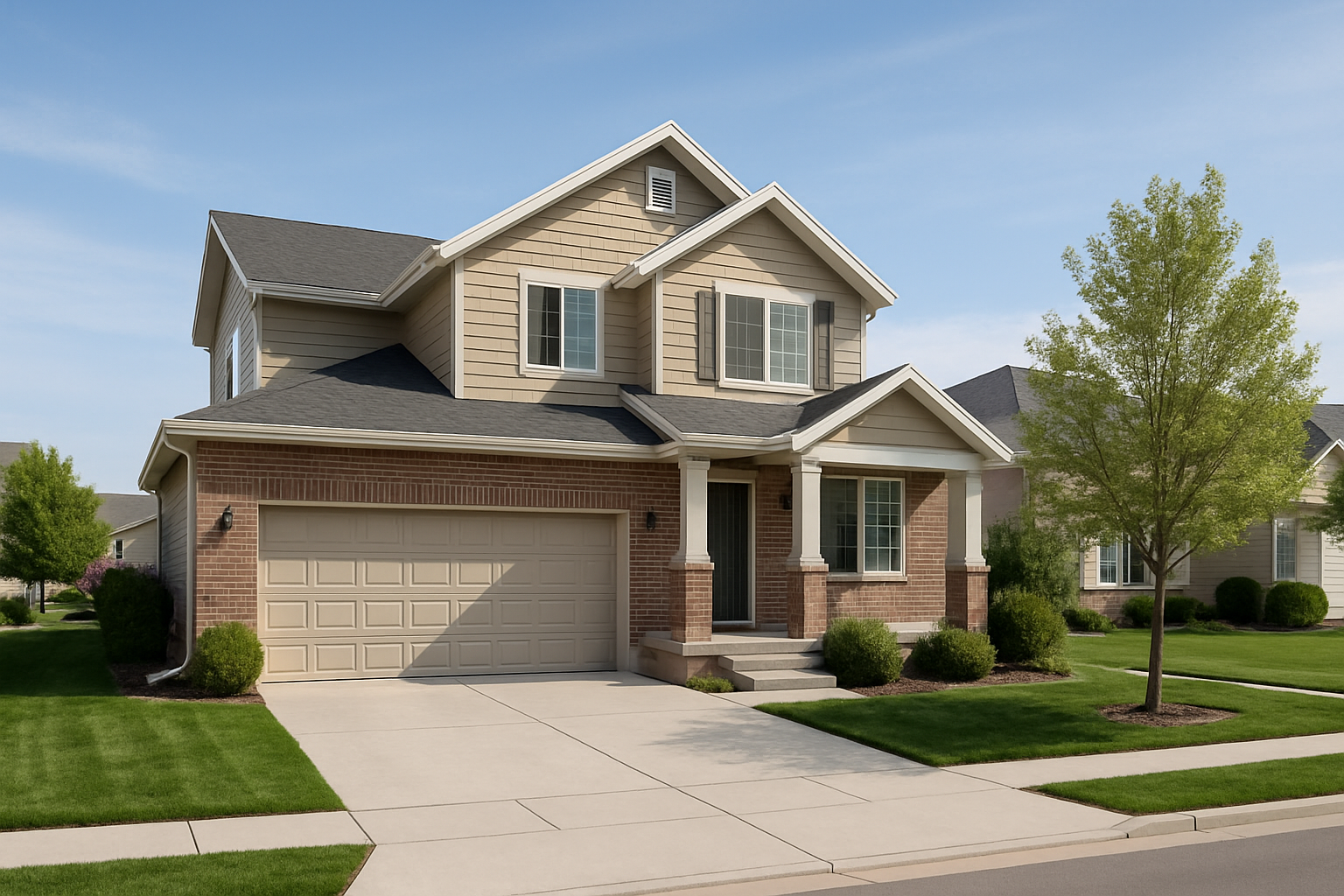
REO Home Inspection Checklist for Utah Buyers — What to Look For Before You Close
An REO home inspection checklist for Utah buyers should cover structural integrity, mechanical systems, water intrusion, deferred maintenance, and code compliance issues that are uniquely common in bank-owned properties across Davis County and the greater Wasatch Front. Unlike traditional home purchases, REO properties are sold as-is — meaning the bank will not make repairs, negotiate credits easily, or provide a seller disclosure. Your inspection is your only protection, and knowing exactly what to look for before you make an offer can save you thousands of dollars and months of frustration.
What Makes an REO Inspection Different From a Standard Home Inspection?
When you buy a bank-owned home, you are purchasing a property that has often sat vacant for months — sometimes years. Utilities may have been shut off, winterization may have been done improperly, and deferred maintenance tends to compound quickly in Utah's climate of hot summers and freezing winters. According to the National Association of REALTORS®, distressed properties consistently require more repair investment than comparable market-rate homes.
David Supinger, REO Specialist Certified and Broker/Owner of HomeClick Real Estate with over 33 years of experience and 1,300+ homes sold, emphasizes this point with every buyer he works with: "REO inspections are not a formality — they are the entire foundation of your negotiating position and your budget planning. You need a thorough inspector and a thorough checklist before you ever sit down at the closing table."
What Structural Issues Should Utah Buyers Look For in Bank-Owned Homes?
Start from the ground up. Utah's soil composition — particularly in areas like Farmington, Kaysville, and Layton — includes expansive clay soils that shift significantly with moisture changes. This creates unique foundation risks that buyers from out of state may not anticipate.
- Foundation cracks: Look for horizontal cracks in block foundations, stair-step cracks in brick, and separation at corners. Vertical hairline cracks are often settling, but horizontal cracks can indicate serious lateral pressure.
- Crawl space moisture: Davis County homes frequently have crawl spaces that collect moisture, leading to wood rot, mold, and pest damage. Bring a flashlight and insist your inspector physically enters the crawl space.
- Roof condition: Inspect for missing shingles, worn flashing around chimneys and skylights, and sagging decking. Utah's heavy snowpack in hill corridor neighborhoods near Hill AFB can accelerate roof wear.
- Grading and drainage: Negative grading — where the soil slopes toward the home rather than away — is one of the top contributors to foundation and basement water intrusion in Davis County properties.
What Mechanical and Utility Systems Fail Most Often in REO Properties?
Vacant homes are hard on mechanical systems. When a property has been winterized — or improperly winterized — pipes burst, water heaters corrode, and HVAC systems degrade from disuse. Before your inspector visits, confirm with the listing agent whether utilities will be activated for the inspection. Many REO asset managers require a separate request for utility activation, and David Supinger — who served as an NLB Listing Broker for HUD, FDIC, and Fannie Mae — knows this process inside and out. He advises buyers to build utility activation time into their inspection contingency window.
- Plumbing: Run every faucet, flush every toilet, check under every sink. Look for evidence of freeze damage — warped cabinetry, water staining on subfloor, corroded supply lines.
- HVAC: Test heating and cooling at the thermostat. Check furnace filters, heat exchanger condition, and whether the system is appropriately sized for the home's square footage. In Bountiful and Layton, aging gas furnaces in REO homes are one of the most common repair items.
- Water heater: Note the age (on the label), check for rust at the base and connections, and test the pressure relief valve. Replacement costs $600–$1,200 installed in most Davis County markets.
- Electrical panel: Look for Federal Pacific or Zinsco panels, which are fire hazards and may not be insurable. Check for double-tapped breakers, exposed wiring, and any evidence of DIY electrical work.
What Are the Most Common Water Damage and Mold Issues in Utah REO Homes?
Water damage is the number one hidden cost in bank-owned properties. Utah buyers frequently underestimate how quickly mold can develop in a home that has been closed up without climate control. Check these areas carefully:
- Bathroom ceilings and walls — especially around tub and shower surrounds where caulking has failed
- Basement walls for white efflorescence deposits (a sign of chronic moisture) or black staining
- Kitchen areas under the sink and behind the refrigerator water line
- Attic spaces for evidence of roof leaks, inadequate ventilation, and condensation mold on the underside of decking
- Window sills and frames where failed seals allow condensation and water intrusion
If your inspector identifies suspected mold, always request a separate environmental inspection with air quality testing. The upfront cost of $300–$500 is minor compared to remediation costs that can reach $5,000 to $30,000 or more depending on the extent of the problem.
How Do Utah Code Compliance and Permit Issues Affect REO Purchases?
Many REO properties have unpermitted additions, converted garages, or finished basements that were never inspected by local building authorities. In Davis County cities like Farmington and Kaysville, purchasing a home with unpermitted work can create liability for the new owner — you inherit the problem once title transfers.
Ask your inspector to flag any areas that appear to be additions or modifications. Then contact the local city building department to pull permit history on the property. For legal context on foreclosure title issues and what transfers with a deed, the Utah State Courts website provides public access to court records that can help you identify any outstanding liens or legal encumbrances on REO properties. You can also visit HUD.gov for guidance specific to HUD-owned REO properties, including addenda requirements and inspection protocols for FHA-insured homes being resold.
What Should Your REO Inspection Contingency Language Include?
David Supinger — who has closed hundreds of REO transactions across the Hill AFB corridor and Davis County over his 17+ years of REO disposition experience — recommends buyers include specific language in their inspection contingency addendum that addresses the as-is nature of bank-owned sales while still preserving the buyer's right to walk away based on inspection findings.
Key points your contingency should address:
- Explicit right to conduct a general home inspection, sewer scope, radon test, and environmental inspection
- Utility activation requirement prior to inspection
- Timeline for receiving the asset manager's response to any repair requests (REO asset managers typically have 48–72 hour response windows)
- Buyer's right to cancel and receive earnest money refund if inspection results are unsatisfactory
For buyers exploring distressed property options beyond REO, the Certified Short Sale Expert program is an excellent resource for understanding how short sales differ from bank-owned properties and when each might be the better opportunity.
How Do You Find REO Listings in Davis County, Utah?
Start your search at UtahFreeHomeSearch.com, where you can browse current MLS listings including bank-owned and distressed properties in Farmington, Kaysville, Layton, Bountiful, and surrounding Davis County communities — completely free, with no registration wall. Filter by price, property type, and status to identify REO opportunities before they are snapped up in Utah's competitive market.
When you find a property worth pursuing, call David Supinger directly at 801-698-2526. His background as a former NLB Listing Broker for HUD, FDIC, and Fannie Mae means he understands how asset managers think, what repair requests they will and will not consider, and how to structure an offer that wins. With a Wall Street Journal Top 250 Agent ranking (#189 nationally) and 1,300+ homes sold, David brings a level of REO expertise that is genuinely rare in the local market.
Frequently Asked Questions: REO Home Inspection Checklist for Utah Buyers
Do I have to use the bank's preferred inspector for an REO purchase?
No. As a buyer, you have the right to hire your own licensed home inspector regardless of any inspector the bank or listing agent may suggest. Always hire an independent inspector with no financial relationship to the seller or their representatives. In Utah, verify your inspector's license at the Utah Division of Real Estate website.
Will the bank fix anything the inspector finds on an REO home?
In most cases, REO sellers (banks and government entities) sell properties strictly as-is and will not complete repairs. However, asset managers may offer a price reduction or closing cost credit in response to major deficiencies discovered during inspection — particularly on HUD-owned properties. This is where having an experienced REO agent like David Supinger negotiating on your behalf makes a significant financial difference.
How long does a typical REO home inspection take in Utah?
A thorough inspection of an average single-family home in Davis County typically takes two to four hours. If you add a sewer scope (highly recommended for REO properties), radon testing, and a separate mold evaluation, plan for additional appointments. Budget three to five business days total for all inspections before your contingency deadline.
What is a sewer scope and why is it important for REO properties?
A sewer scope is a video inspection of the lateral sewer line running from the home to the city main or septic system. On vacant REO properties, roots infiltrate lines, pipes collapse from disuse, and nobody reports the problem because the home is empty. A sewer scope typically costs $150–$250 in Davis County and can reveal repair costs of $3,000 to $15,000 or more. It is one of the most important add-on inspections for any bank-owned home.
Can I use FHA financing to purchase an REO property in Utah?
Yes, but with important conditions. FHA loans require the property to meet minimum property standards. Many REO homes — particularly those in poor condition — will not pass an FHA appraisal. HUD-owned properties offer an FHA 203(k) rehabilitation loan option that wraps repair costs into your mortgage. Visit HUD.gov for current FHA loan guidelines and to browse HUD-owned REO listings directly.
This information is for educational purposes only and does not constitute legal or financial advice. Consult a licensed Utah attorney or financial adviser for guidance specific to your situation.
About David Supinger
David Supinger is REO Specialist Certified with 17+ years REO experience. NLB Listing Broker for HUD, FDIC, Fannie Mae. Broker/Owner HomeClick Real Estate, 33+ years. 801-698-2526 | utahfreehomesearch.com