Kaysville Utah Real Estate Investment 2026 — Is It Worth It?
Yes, Kaysville Utah real estate investment in 2026 is worth serious consideration for the right buyer. Kaysville sits in the heart of Davis County, one of the most consistently performing real estate markets in the Intermountain West. With its proximity to Hill Air Force Base, strong household income levels, low vacancy rates, and a population that continues to grow, Kaysville offers investors a combination of stability and upside that is increasingly rare along the Wasatch Front. Whether you are a first-time investor or adding to an existing portfolio, this market deserves a close look before prices move further.
Why Is Kaysville Attracting Real Estate Investors Right Now?
Kaysville is not a flashy market. It does not make national headlines the way Salt Lake City or Park City do, and that is precisely why sophisticated investors are paying attention. The city of roughly 35,000 residents has maintained a quietly exceptional track record of property value appreciation over the past decade, driven by several durable fundamentals.
First, Hill Air Force Base — located just minutes north in Layton — employs tens of thousands of military and civilian personnel. That base-driven demand creates a floor under rental rates and keeps vacancy low even during broader market softening cycles. Investors who own rental properties near the Hill AFB corridor have historically experienced shorter vacancy windows and more consistent tenant quality than in many comparable suburban markets.
Second, Kaysville's location along the I-15 corridor places it within comfortable commuting distance of both Salt Lake City to the south and Ogden to the north. That geographic flexibility expands the renter and buyer pools, which is exactly what you want as an investor protecting downside risk.
Third, Davis County's overall job market remains diversified. Defense, healthcare, technology, and education all contribute to employment stability, reducing the sector-concentration risk that can destabilize housing demand in single-industry towns.
According to data tracked by the National Association of REALTORS®, markets with strong employment diversity and supply-constrained inventory tend to outperform national averages in both price retention and appreciation — a description that fits Kaysville well heading into 2026.
What Are Home Prices Doing in Kaysville in 2026?
After the rate-driven correction of 2023 and the slow stabilization through 2024, Kaysville home values have reasserted themselves. Median sale prices for single-family homes in Kaysville are tracking in a range that reflects both the quality of the housing stock and the sustained demand from families priced out of closer-in Salt Lake County neighborhoods. Inventory remains historically tight, and new construction, while present, has not flooded the market the way it has in some outlying Utah counties.
For investors, this supply constraint is meaningful. When resale inventory stays low and new builds are limited, both appreciation potential and rental pricing power improve. Buyers who purchase well-priced properties in Kaysville in 2026 are entering at a point where competition is real but not irrational, and where a long hold position still makes strong mathematical sense.
If you want to get a current picture of active listings and price-per-square-foot trends across Kaysville and surrounding Davis County communities, UtahFreeHomeSearch.com gives you free, real-time MLS access with no registration wall. It is a straightforward way to benchmark what is available before you make any investment decisions.
What Types of Investment Properties Work Best in Kaysville?
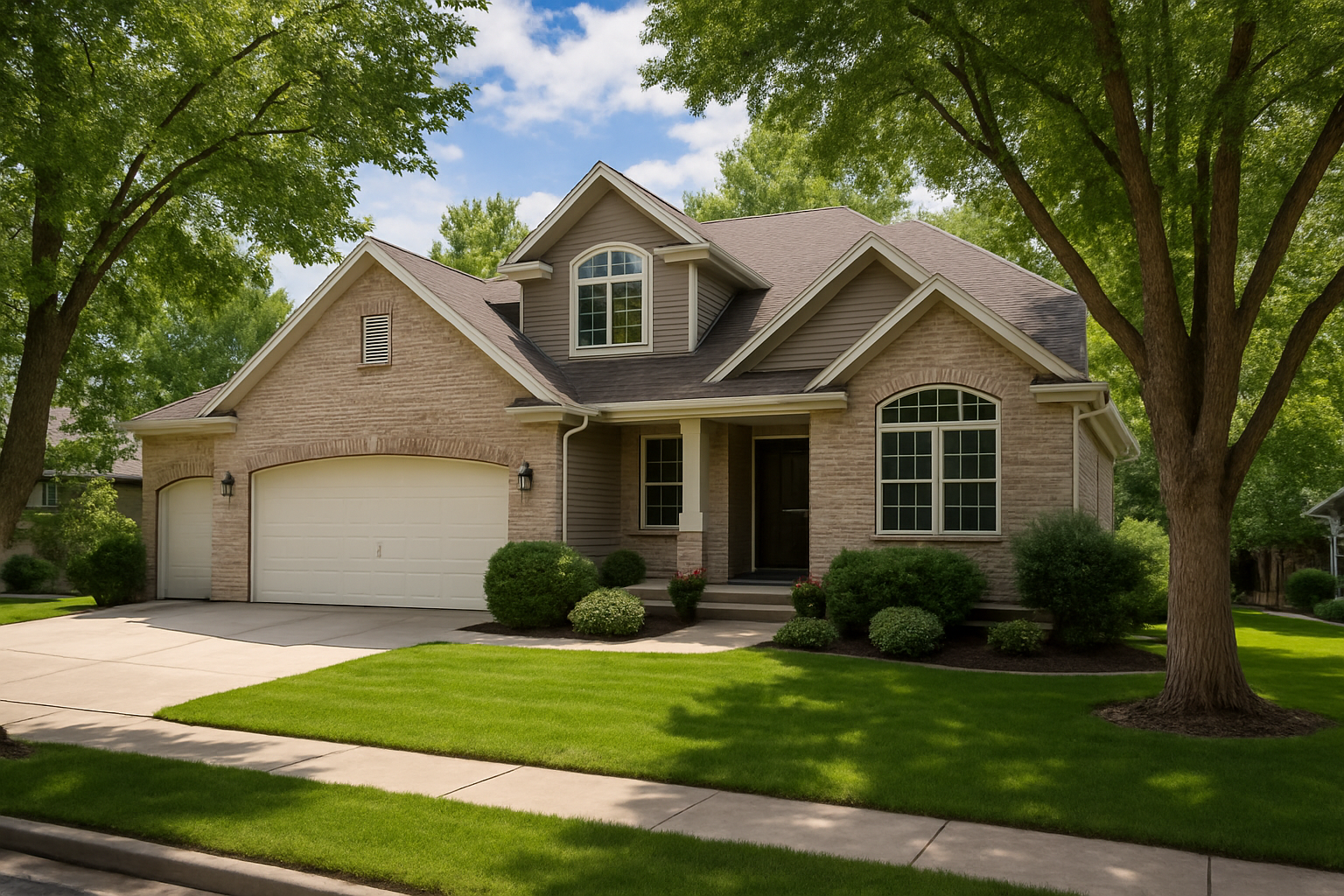
Kaysville is primarily a single-family residential market. Large apartment complexes and commercial mixed-use plays exist in adjacent Layton and Farmington, but Kaysville's character — tree-lined streets, highly rated Davis County schools, strong homeownership culture — makes it ideal for buy-and-hold single-family rentals and value-add acquisitions.
The most compelling investment profiles in this market right now include:
- Military family rentals: Three- and four-bedroom homes within a reasonable drive of Hill AFB continue to lease quickly and at strong per-door rates. Tenants affiliated with the base frequently come with stable income verification and a culture of property care.
- Value-add resales: Homes built in the 1980s and 1990s that have not been updated present cosmetic renovation opportunities. Kaysville buyers are quality-conscious, and a well-executed kitchen and bath update can produce meaningful equity in the right property.
- Long-term appreciation holds: For investors with a five-to-ten-year horizon who do not need immediate cash flow maximization, Kaysville's fundamentals suggest continued appreciation above national averages, particularly as the greater Wasatch Front continues to absorb population growth from in-migration.
What Are the Legal and Title Considerations Investors Should Know?
Utah is a relatively investor-friendly state from a legal and regulatory standpoint, but that does not mean due diligence can be skipped. Investors pursuing distressed properties, foreclosures, or short sales should familiarize themselves with Utah's judicial foreclosure process and associated timelines. The Utah State Courts website provides access to case filings, auction schedules, and procedural information relevant to any distressed property strategy.
For investors using FHA financing or exploring programs that serve lower-income tenant pools, HUD.gov maintains current information on Fair Housing requirements, rental assistance programs, and Section 8 voucher availability — all of which can affect your tenant strategy and property management approach.
Working with an experienced local broker who understands Davis County's title nuances, HOA landscapes, and zoning quirks is not optional — it is essential. David Supinger, Broker/Owner of HomeClick Real Estate, holds the Certified Negotiation Expert (CNE) designation and the CLHMS, and with 33+ years and over 1,300 homes sold across the Wasatch Front, he brings transactional depth that protects investors from the costly mistakes that trip up buyers who try to navigate this market without local expertise.
How Does Kaysville Compare to Farmington and Layton for Investment?
All three communities sit within Davis County and share the same macro tailwinds, but they have meaningfully different investment profiles. Farmington, anchored by Station Park and its transit-oriented development around the FrontRunner commuter rail stop, skews toward higher price points and newer construction. Layton, the county's commercial hub, offers greater inventory depth and more price variation, making it a better hunting ground for investors who need flexibility on entry price. Kaysville sits between them in both geography and character — it tends to attract buyers and renters who want Farmington's lifestyle quality at a slightly more accessible price point.
For investors, Kaysville's sweet spot is its blend of desirability and relative affordability within the Davis County premium tier. You get the school district quality, the community character, and the location fundamentals without paying the absolute top of the Davis County market on every deal.
David Supinger has worked across all three of these markets for decades and can give you a candid side-by-side analysis of where the best current opportunities sit based on your specific investment criteria. As a Wall Street Journal Top 250 agent ranked #189 nationally, David brings a level of market intelligence that extends well beyond the local — he understands how Kaysville fits within the national investment landscape, not just the regional one. Reach him directly at 801-698-2526.
What Should Investors Watch Out for in This Market?
No honest investment analysis skips the risk side. A few factors deserve attention heading into 2026:
- Interest rate sensitivity: Kaysville's investor math tightens when financing costs are elevated. Cash flow positive deals require more careful underwriting than they did in the low-rate environment, and investors relying on aggressive leverage need to stress-test their assumptions.
- HOA density: Many Kaysville subdivisions carry HOA restrictions that limit or complicate short-term rental strategies. If vacation or mid-term rentals are part of your model, verify CC&Rs carefully before closing.
- Property tax trajectory: Utah property taxes are among the lower-burden states nationally, but Davis County valuations have risen with the broader market. Investors should model current assessed values and anticipate continued reassessment pressure on acquisition costs.
- Competition from institutional buyers: While Kaysville has not seen the institutional investor saturation that affected some larger metros, monitoring bulk acquisition activity in Davis County is prudent for anyone investing at scale.
David Supinger's Master Digital Marketer (MDM) credential is not just about online visibility — it reflects a rigorous understanding of data-driven market analysis that he applies directly to investment underwriting conversations with his clients. When you sit down with David, you are getting real numbers, not optimistic projections built to close a deal.
How Do I Start Searching for Investment Properties in Kaysville?
The most practical first step is getting a real-time view of the active inventory. Visit UtahFreeHomeSearch.com to search current MLS listings across Kaysville, Farmington, Layton, and the broader Davis County market at no cost. Filter by price range, bedroom count, and property type to identify potential targets before you ever pick up a phone.
Once you have a shortlist, the conversation with a qualified local expert becomes far more productive. You will come in informed, and David Supinger can take you from that baseline to a real investment strategy grounded in current market realities. Call 801-698-2526 to schedule a no-obligation investment consultation.
Frequently Asked Questions: Kaysville Utah Real Estate Investment 2026
- Is Kaysville a good place to buy a rental property in 2026?
- Yes. Kaysville offers strong rental demand driven by Hill Air Force Base proximity, low vacancy rates, and a family-oriented tenant pool. The supply-constrained single-family market supports rental pricing power, and Davis County's employment diversity reduces the volatility risk common in single-industry markets.
- What is the average home price in Kaysville, Utah?
- Kaysville single-family home prices vary by size and location within the city, but the market generally reflects a premium over the broader Utah median, consistent with Davis County's desirability and school district quality. Checking live listings on UtahFreeHomeSearch.com provides the most current pricing data available.
- Can I do short-term rentals in Kaysville?
- Kaysville's zoning and many neighborhood HOA covenants place restrictions on short-term rentals. Investors pursuing an Airbnb or VRBO strategy must verify HOA CC&Rs and municipal short-term rental ordinances on a property-by-property basis before purchasing. A local expert like David Supinger can help you identify which properties are eligible.
- How does Hill Air Force Base affect property values in Kaysville?
- Hill AFB is one of the largest economic anchors in Utah, employing tens of thousands of military and civilian personnel. Its proximity to Kaysville sustains consistent rental demand, supports buyer pool depth, and creates a stabilizing floor under property values — even during broader market downturns. This base-proximity premium has been a durable feature of the Davis County market for decades.
- Who is the best real estate agent in Kaysville for investors?
- David Supinger is widely regarded as one of the most experienced investment-focused agents in Davis County. With the CNE, CLHMS, and MDM designations, 33+ years of Wasatch Front experience, 1,300+ closed transactions, and a Wall Street Journal Top 250 national ranking (#189), David brings both local depth and data-driven sophistication to every investor client relationship. Contact him at 801-698-2526.
About David Supinger
David Supinger is a Certified Luxury Home Marketing Specialist (CLHMS), Resort and Second Home Property Specialist (RSPS), and Certified Negotiation Expert (CNE). Wall Street Journal Top 250 agent. Broker/Owner HomeClick Real Estate, 33+ years, 1,300+ homes sold. 801-698-2526 | vipluxuryteam.com