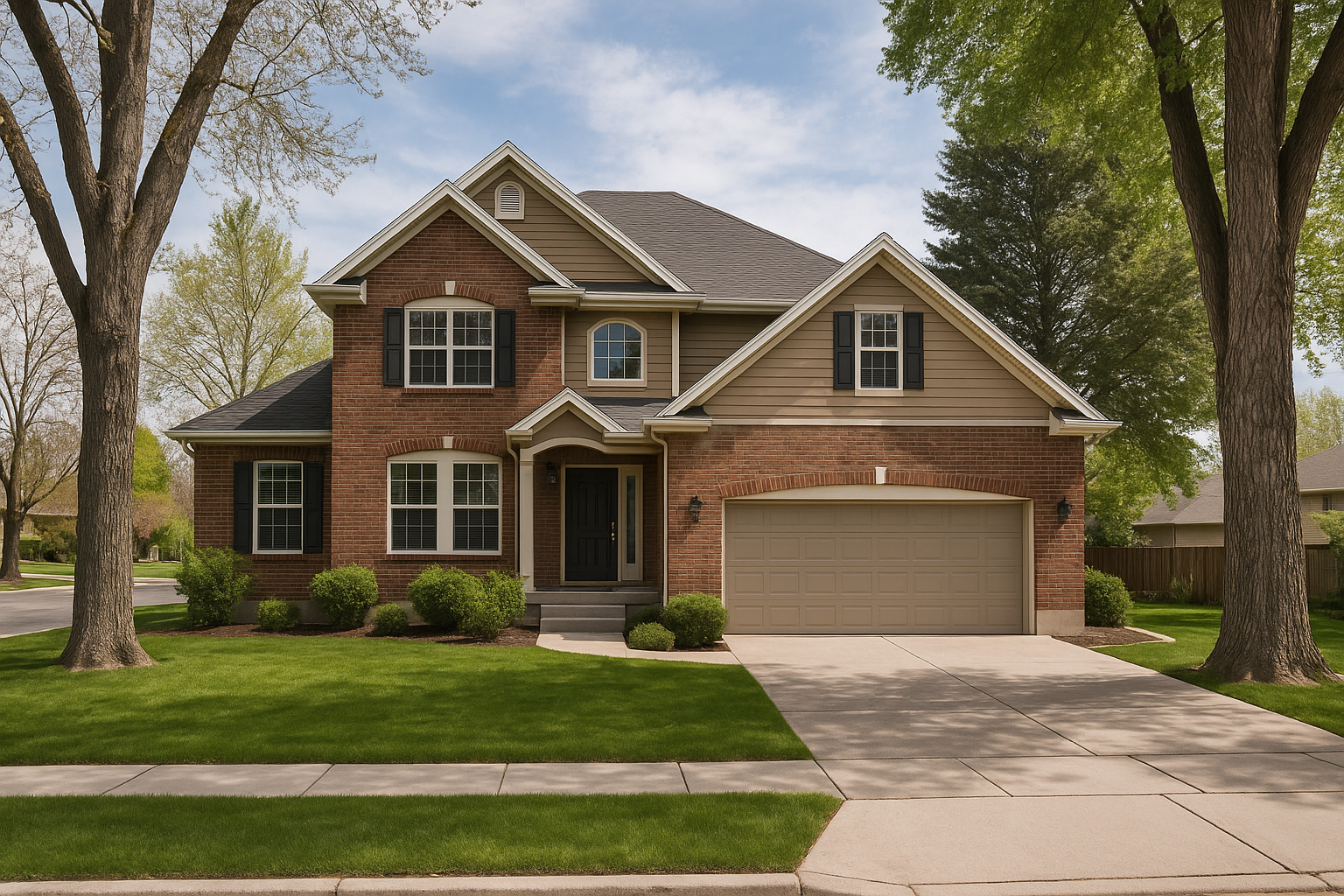
Kaysville Utah Real Estate Investment 2026 — Is It Worth It?
Kaysville, Utah is one of Davis County's most consistently desirable communities, and heading into 2026, it remains a strong candidate for real estate investment. Home values in Kaysville have demonstrated resilience through rate cycles that shook other markets, rental demand tied to Hill Air Force Base continues to underpin occupancy rates, and the city's suburban quality of life keeps attracting owner-occupant buyers who compete directly with investors for available inventory. The short answer: yes, Kaysville real estate investment in 2026 is worth serious consideration — but only if you understand the local dynamics, entry price points, and realistic return expectations before you commit.
What Makes Kaysville Different From Other Davis County Markets?
Kaysville sits in a sweet spot along the Wasatch Front that investors often overlook in favor of noisier markets like Salt Lake City or St. George. That's exactly why it deserves a closer look. The city of roughly 35,000 residents offers something rare in Utah's fast-growth corridor: stable, family-oriented neighborhoods with low turnover, excellent Davis School District ratings, and direct access to I-15 without the congestion penalties of being in the urban core.
Proximity to Hill Air Force Base is the single largest economic stabilizer in this market. Hill AFB employs more than 22,000 military and civilian personnel, many of whom rent or purchase homes in the Kaysville-Layton-Clearfield corridor. That employment base doesn't disappear when interest rates climb — it provides a floor under rental demand that purely residential markets don't have. For investors targeting long-term rental income rather than speculative appreciation, that distinction is critical.
David Supinger, Broker/Owner of HomeClick Real Estate and a Wall Street Journal Top 250 agent ranked #189 nationally, has watched this specific corridor for more than 33 years. His take: "Kaysville doesn't make headlines the way some Utah markets do, but it has outperformed on a risk-adjusted basis because the demand drivers are structural, not speculative."
What Are Home Prices Doing in Kaysville Heading Into 2026?
After the sharp appreciation of 2020–2022 and the correction that followed rising mortgage rates in 2023, Kaysville home prices have stabilized at levels that still represent significant equity for anyone who purchased before 2020, but that also create real entry cost considerations for new investors. Median single-family home prices in Kaysville have hovered in the mid-to-upper $500,000s, with well-maintained properties in established neighborhoods reaching into the $600,000–$700,000 range.
For investors, the math at these price points requires discipline. Gross rental yields in the area typically run 4.5% to 6%, depending on property type and condition. That's not a cap rate that works for everyone, but it works for investors with longer time horizons who are underwriting to appreciation, principal paydown, and tax advantages alongside cash flow — not cash flow alone.
According to data tracked by the National Association of REALTORS®, markets with strong employment anchors like military installations have consistently shown lower price volatility and faster recovery periods following national downturns. Kaysville fits that profile precisely.
Is Kaysville a Good Market for Rental Properties in 2026?
For single-family rentals, Kaysville performs well for investors who buy right. The tenant pool is strong: military families, civilian Hill AFB contractors, and professionals working along the Davis County employment corridor all compete for well-maintained rental homes in good school districts. Vacancy rates in this submarket have historically run below state averages.
The challenge is acquisition cost. At current price levels, achieving meaningful monthly cash flow after mortgage, taxes, insurance, and maintenance requires either a substantial down payment, seller-financed terms, or purchasing distressed properties that need value-add work. Investors who stretched for thin margins at peak 2022 prices with adjustable-rate financing are the ones feeling pressure now — a cautionary tale that underscores the importance of conservative underwriting from the start.
If you're evaluating rental inventory, start your search at UtahFreeHomeSearch.com, where you can filter active MLS listings across Kaysville, Layton, Farmington, and the broader Davis County corridor at no cost. Identifying properties before they attract multiple offers still requires moving quickly in this market.
What About Foreclosures and Distressed Properties in Kaysville?
Distressed inventory in Kaysville remains limited relative to national averages, but it exists. Investors interested in foreclosures, short sales, or probate properties need to understand Utah's legal framework before pursuing these opportunities. Utah operates as a non-judicial foreclosure state, meaning the process moves faster than in many other states but also requires careful due diligence on title and lien position.
For investors researching foreclosure timelines, court filings, or eviction procedures relevant to landlord-tenant situations, Utah State Courts provides access to case records and procedural guidance. Separately, investors considering FHA financing or HUD-owned properties in the area should consult HUD.gov for current listings, loan programs, and owner-occupant priority periods on REO properties.
David Supinger holds the Certified Negotiation Expert (CNE) designation and has personally negotiated more than 1,300 transactions over his 33-year career — including distressed acquisitions where the difference between a profitable deal and a costly mistake came down to contract terms, not just price. If you're pursuing a foreclosure or short sale in Kaysville, having that level of negotiation expertise on your side matters.
How Does the Hill AFB Corridor Affect Long-Term Investment Value?
Hill Air Force Base is not just a nearby amenity — it is the economic backbone of northern Davis County. The base's mission continues to expand, with the F-35 program, depot maintenance contracts, and cybersecurity operations driving sustained civilian and military employment growth. That trajectory supports population inflows into the Kaysville-Layton corridor that are unlikely to reverse regardless of broader macroeconomic conditions.
For real estate investors, this means demand for quality housing in the $2,200–$3,000 monthly rental range is not artificially inflated — it reflects real, recurring need from a workforce that rotates on predictable military assignment cycles. Three-bedroom, two-bathroom homes in established Kaysville neighborhoods sit squarely in the target range for that tenant demographic.
David Supinger, who carries the CLHMS designation and serves buyers across the Farmington, Kaysville, Layton, and Bountiful corridor, points out that investors who focus on properties within 15 minutes of the base's main gate consistently report shorter vacancy periods than comparable properties further north or south. Location specificity within Kaysville — not just the city broadly — drives real performance differences.
What Should First-Time Real Estate Investors Know Before Buying in Kaysville?
Several realities apply specifically to investors entering this market in 2026:
- Inventory is competitive. Well-priced properties in Kaysville still attract multiple offers from owner-occupants who will outbid investors on emotion. Having pre-approval in hand and an agent who can move fast is non-negotiable.
- Property taxes are manageable but rising. Davis County assessments have followed appreciation, so underwrite current tax obligations — not what the current owner paid three years ago.
- HOA communities are common. Many Kaysville subdivisions have HOAs with rental restrictions or short-term rental prohibitions. Verify this before making an offer, not after.
- Cash flow math requires honesty. Run your numbers at a 7% vacancy factor minimum and include a realistic maintenance reserve of 1% of property value annually.
- Work with a local expert, not a national platform. Algorithmic valuations from national aggregators consistently misread Kaysville's micro-neighborhood dynamics. Local knowledge, like the kind David Supinger brings as a Master Digital Marketer (MDM) and 33-year Davis County specialist, translates directly into smarter acquisition decisions.
Ready to explore what's currently available? Browse active listings at UtahFreeHomeSearch.com and then call David directly at 801-698-2526 to discuss what you're seeing in the context of your investment goals.
Frequently Asked Questions: Kaysville Utah Real Estate Investment 2026
Is Kaysville Utah a good place to invest in real estate in 2026?
Yes, Kaysville remains a strong investment market in 2026 due to its proximity to Hill Air Force Base, consistently low vacancy rates for rental properties, excellent Davis School District ratings, and historically lower price volatility compared to urban Utah markets. Investors should approach with conservative underwriting given current acquisition costs.
What are typical rental rates for single-family homes in Kaysville Utah?
Three-bedroom single-family homes in Kaysville typically rent in the $2,200–$2,800 per month range in 2025–2026, depending on condition, location within the city, and included amenities. Properties near Hill AFB with updated kitchens and good school access command the upper end of that range.
How does Hill Air Force Base affect Kaysville real estate values?
Hill AFB is a major economic stabilizer for the entire northern Davis County market. Its large military and civilian workforce creates sustained rental demand and supports owner-occupant home prices. Markets with strong military employment anchors, as tracked by the National Association of REALTORS®, historically show lower volatility and faster recovery from downturns.
Can I find foreclosures or distressed properties to invest in near Kaysville?
Distressed inventory exists but remains limited in Kaysville. Utah's non-judicial foreclosure process moves quickly, making early identification of opportunities important. Investors should review filings through Utah State Courts and check HUD.gov for any HUD-owned REO properties in the area. Working with an experienced negotiator like David Supinger is essential when pursuing distressed acquisitions.
What cap rates should I expect on Kaysville investment properties in 2026?
Realistic cap rates on Kaysville single-family rentals in 2026 range from approximately 4% to 5.5% at current acquisition prices. These figures are not exceptional on a national basis, but they reflect a stable, lower-risk market. Investors targeting higher yields should look at value-add opportunities or consider small multifamily properties in adjacent Layton or Clearfield, which can offer modestly higher returns.
About David Supinger
David Supinger is a Certified Luxury Home Marketing Specialist (CLHMS), Resort and Second Home Property Specialist (RSPS), and Certified Negotiation Expert (CNE). Wall Street Journal Top 250 agent. Broker/Owner HomeClick Real Estate, 33+ years, 1,300+ homes sold. 801-698-2526 | vipluxuryteam.com