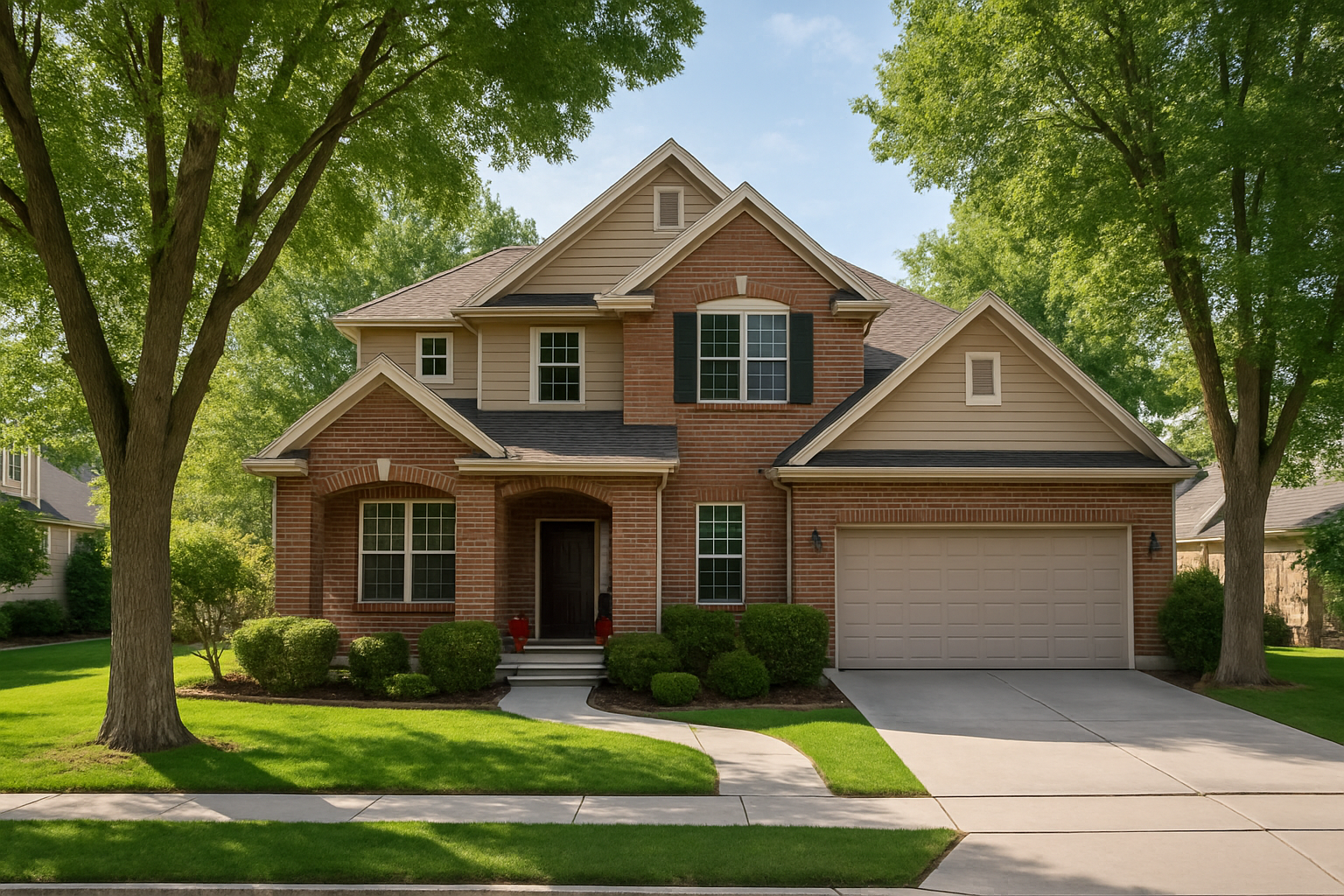
Kaysville Utah Horse Property and Large Lots — What's Available in 2026
If you're searching for Kaysville Utah horse property and large lots in 2026, here's the direct answer: Kaysville remains one of Davis County's most desirable communities for equestrian buyers and those wanting acreage, with a limited but active inventory of properties ranging from half-acre residential lots to multi-acre horse-zoned parcels. Demand continues to outpace supply in this niche, so buyers who move quickly and with strong negotiating guidance consistently win. The inventory varies by season, but properties with barn structures, pasture land, irrigated lots, and AG-zoned classifications do appear — and knowing how to evaluate them separates smart buyers from frustrated ones.
Why Do Buyers Choose Kaysville for Horse Property in Davis County?
Kaysville sits at a geographic sweet spot in northern Davis County — far enough from the urban core to preserve rural character, yet close enough to Salt Lake City, Ogden, and Hill Air Force Base to make daily commuting practical. That balance is rare in the Wasatch Front corridor, and it's precisely why horse property here commands a premium.
The city has historically protected agricultural and equestrian zoning along its eastern bench and in pockets near the foothills. Buyers will find that many large-lot properties in Kaysville include secondary water rights for irrigation, mature shade trees, and proximity to riding trails that connect through Davis County open space. For families relocating from out of state — particularly from rural Western states — Kaysville often feels immediately familiar without the remote inconvenience.
According to the National Association of REALTORS®, rural and semi-rural property searches surged significantly following 2020 and have maintained elevated demand through 2025. Kaysville's horse and acreage segment reflects that national trend locally.
What Zoning Classifications Should Horse Property Buyers Know in Kaysville?
Zoning is where buyers get tripped up more than anywhere else. Kaysville uses several residential and agricultural designations, and not every large-lot listing actually permits horses, livestock structures, or secondary dwellings. Before falling in love with a property, verify the following:
- A-1 or Agricultural zoning: Generally permits horses and livestock with appropriate setbacks. These are the properties serious equestrian buyers prioritize.
- R-1-43 or R-1-87 residential: Large residential lots measured in square feet. Some allow a limited number of horses depending on acreage, but check local ordinance carefully.
- Conditional Use Permits (CUPs): Some horse-related uses on non-AG land require a CUP through the city. This adds time and cost to improvements.
- Irrigation and water rights: Secondary water is often included with AG parcels but not always transferred automatically. Confirm this in writing during due diligence.
David Supinger, Broker/Owner of HomeClick Real Estate and a Wall Street Journal Top 250 agent ranked #189 nationally, always advises buyers to pull the full parcel record and zoning confirmation letter before submitting an offer on horse property. "The listing description says 'horse property' far more often than the zoning actually confirms it," he notes. With 33 years of experience and over 1,300 homes sold across Davis County, David has seen buyers lose earnest money over zoning assumptions that were never verified.
What Does Horse Property Typically Cost in Kaysville in 2026?
Pricing for equestrian and large-lot properties in Kaysville in 2026 depends heavily on acreage, water rights, existing improvements, and proximity to the foothills. As a general benchmark:
- Half-acre to one-acre residential lots with horse privileges: Typically priced in the mid-$700,000s to low $900,000s for improved homes, depending on structure quality.
- One to three-acre AG parcels with outbuildings: Commonly range from $900,000 to $1.4 million or more, particularly when a barn, tack room, or arena is present.
- Raw acreage without structures: Rarer to find, but occasionally available in the $400,000–$700,000 range depending on utilities and access.
- Estate-level properties with five or more acres: These are the most competitive segment, often selling off-market or within days of listing.
Buyers searching actively should use UtahFreeHomeSearch.com to monitor current listings in Kaysville with acreage filters and lot-size parameters. The free MLS search tool updates daily and allows you to set alerts so you're notified the moment a qualifying property hits the market — a critical advantage in a thin-inventory niche.
Are There Foreclosures or Distressed Horse Properties Available in Kaysville?
Distressed and foreclosed acreage properties do appear periodically in Davis County, though they are not common in Kaysville's horse property segment. When they do surface, they require additional due diligence — title issues, unpaid water assessments, deferred maintenance on outbuildings, and sometimes lingering legal complications from the foreclosure process itself.
Buyers pursuing foreclosure or bank-owned acreage should familiarize themselves with Utah's foreclosure statutes. The Utah State Courts website provides public records access and procedural guidance relevant to judicial foreclosures. Additionally, programs through HUD.gov occasionally include rural and agricultural properties, though horse-specific inventory through HUD channels is limited in Davis County.
David Supinger, a Certified Negotiation Expert (CNE) and CLHMS-designated specialist, recommends that buyers treat distressed acreage with heightened caution and always budget for a full structural inspection of any existing outbuildings, septic systems, and well infrastructure — costs that can add $15,000–$40,000 to an otherwise attractive purchase price.
What Should Buyers Look for When Touring a Kaysville Horse Property?
Touring equestrian properties requires a different checklist than a standard home inspection. Here's what experienced buyers prioritize:
- Barn and outbuilding condition: Roof integrity, electrical systems, ventilation, and stall flooring all require inspection. Many older structures in Davis County were built without permits.
- Fencing: Wood post-and-rail, vinyl, or no-climb wire — evaluate both current condition and replacement cost across the entire parcel boundary.
- Pasture and soil quality: Look for signs of overgrazing, weed infestation, or soil compaction. A healthy pasture is a meaningful asset; a degraded one is a multi-season restoration project.
- Water delivery and pressure: Confirm secondary water access points, pressure adequacy for irrigation, and any shared ditch company membership obligations.
- Access and trailer access: Can a standard horse trailer maneuver into the property safely? Check gate widths and driveway grades.
- Neighbor proximity and covenants: Even in AG zones, adjacent subdivisions sometimes carry HOA covenants that restrict certain equestrian uses. Verify this early.
How Does Working With a Local Expert Help When Buying Acreage in Kaysville?
Buying horse property is genuinely more complex than purchasing a standard residential home. Title exceptions involving water rights, easements for ditch access, lease arrangements on outbuildings, and zoning compliance documentation all require careful review. Representation matters significantly in this niche.
David Supinger brings credentials that directly apply here: as a Master Digital Marketer (MDM), Certified Negotiation Expert (CNE), and CLHMS-designated Broker/Owner of HomeClick Real Estate, he has spent 33 years navigating exactly these complexities across Davis County. His WSJ Top 250 ranking — #189 nationally — reflects a transaction volume and negotiation record that benefits buyers in competitive, low-inventory situations like Kaysville's horse property market.
To connect with David directly and discuss current inventory or off-market acreage opportunities, call 801-698-2526. He and his team serve buyers throughout Davis County, including Farmington, Layton, Bountiful, and the Hill AFB corridor.
Frequently Asked Questions: Kaysville Utah Horse Property and Large Lots
Q: Can you keep horses on any large-lot property in Kaysville, Utah?
Not automatically. The ability to keep horses in Kaysville depends on your specific zoning designation. Agricultural (A-1) parcels generally permit horses with appropriate setbacks, while larger residential zones like R-1-43 or R-1-87 may allow a limited number of horses based on lot size and local ordinance. Always confirm zoning and any conditional use permit requirements before purchasing.
Q: What is the minimum lot size typically required to keep horses in Kaysville?
Kaysville's municipal code generally requires a minimum of one acre to keep horses, though specific setback requirements from neighboring structures and property lines also apply. Buyers should verify current ordinance requirements directly with Kaysville City's planning department, as these standards can be updated.
Q: Are water rights included when you buy AG-zoned property in Kaysville?
Water rights — particularly secondary irrigation water shares — are often associated with agricultural parcels in Davis County but are not always automatically included in a sale. It is essential to confirm in writing during the purchase contract whether secondary water shares, ditch company memberships, or well rights transfer with the property and at what cost.
Q: How competitive is the horse property market in Kaysville compared to neighboring cities?
Kaysville's equestrian and large-lot segment is highly competitive due to limited inventory and sustained buyer demand. Compared to neighboring Farmington and Layton, Kaysville tends to have slightly fewer available acreage listings but commands strong prices given its community character and foothills proximity. Properties that are correctly priced and well-presented routinely receive multiple offers.
Q: Where can I search for current horse property listings in Kaysville, Utah?
The most efficient starting point for buyers is UtahFreeHomeSearch.com, which provides free access to the Utah MLS with daily updates. You can filter by lot size, acreage, and location to identify qualifying properties in Kaysville. For guidance on off-market opportunities and detailed property evaluation, contact David Supinger at 801-698-2526.
About David Supinger
David Supinger is a Certified Luxury Home Marketing Specialist (CLHMS), Resort and Second Home Property Specialist (RSPS), and Certified Negotiation Expert (CNE). Wall Street Journal Top 250 agent. Broker/Owner HomeClick Real Estate, 33+ years, 1,300+ homes sold. 801-698-2526 | vipluxuryteam.com