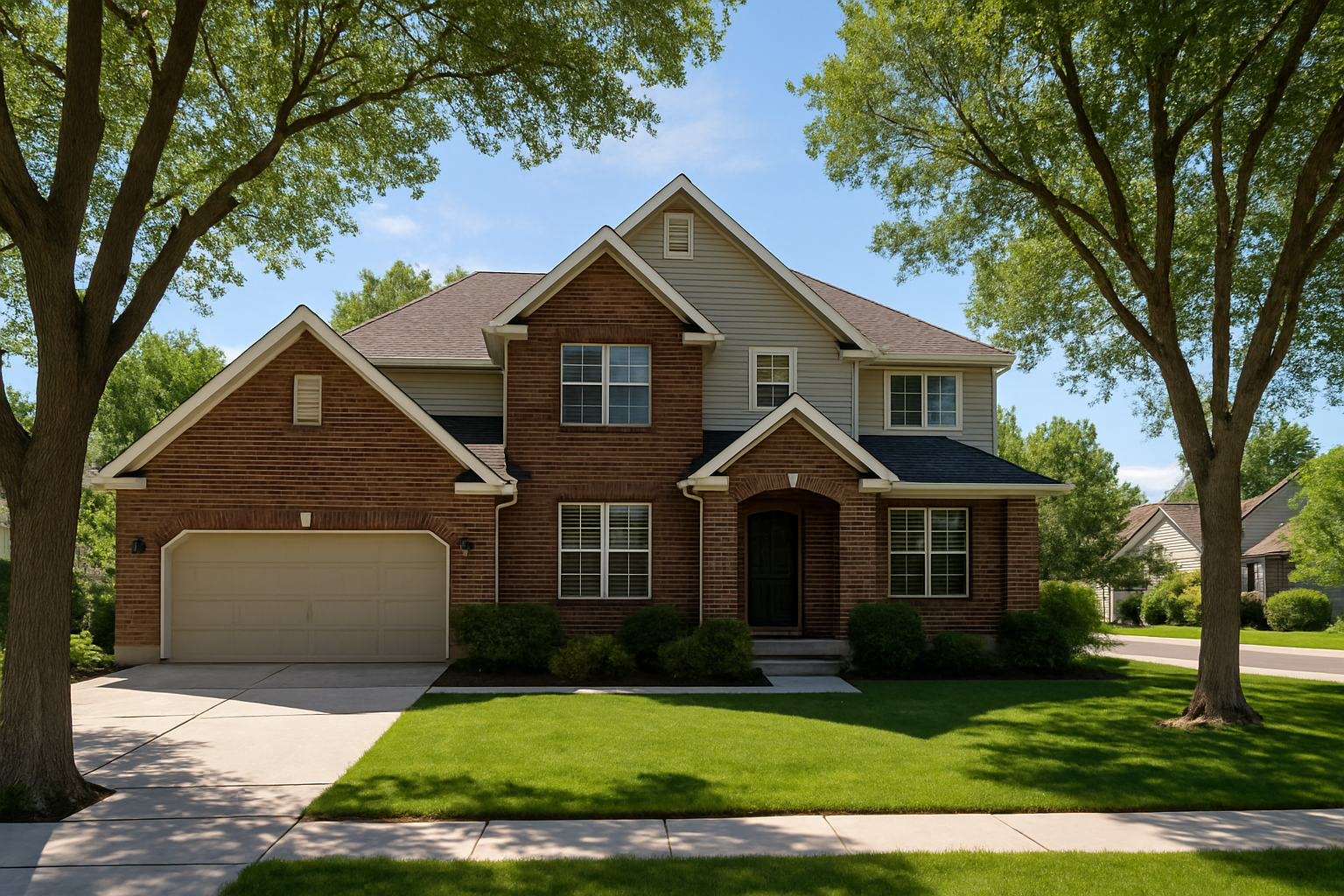
Kaysville Utah Horse Property and Large Lots — What's Available in 2026
If you're searching for Kaysville Utah horse property and large lots in 2026, here's the direct answer: Kaysville remains one of Davis County's most compelling destinations for buyers who want acreage, equestrian-ready land, and room to breathe — without sacrificing proximity to Salt Lake City, Hill AFB, or Ogden. Properties with half an acre or more, barn structures, fenced pastures, and secondary outbuildings do come to market in Kaysville, though inventory is limited and competition from well-qualified buyers moves these listings quickly. If you're serious about finding one, you need a local strategy — not a national search portal.
Why Do Buyers Choose Kaysville for Horse Property and Large Lots?
Kaysville sits in the sweet spot of Davis County. It's far enough from the urban core of Salt Lake City to offer genuine rural character, but close enough to I-15, Farmington Station, and the Hill AFB corridor to make daily life practical. That combination is rare, and buyers know it.
The city has long maintained an agricultural identity. You'll still find working horse properties tucked behind neighborhood streets, large irrigated lots with water shares attached, and parcels zoned A-1 or A-2 that allow horses, chickens, and other livestock. Many of these properties sit along the benches above Main Street or in the eastern foothills near the Kaysville-Fruit Heights border, where lot sizes can range from one to five or more acres.
What attracts equestrian buyers specifically? Kaysville has easy access to regional trail systems, relatively flat to gently sloping terrain suitable for arena construction, and a community culture that's long accepted horses as part of the neighborhood fabric. It's not uncommon to find a property with a three-stall barn, tack room, and fenced pasture listed alongside updated homes with modern kitchens and finished basements. That combination of rural utility and residential comfort is exactly what the horse property market demands.
What Types of Horse Properties and Large Lots Are Available in Kaysville in 2026?
Inventory in this niche tends to fall into a few distinct categories. First, there are true working equestrian properties — homes with dedicated barn structures, water rights or secondary water, corrals, and fenced grazing areas. These command premium prices and typically sell in the $800,000 to $1.5 million range or higher depending on improvements and total acreage.
Second, you'll find large-lot residential properties — homes on half an acre to two acres that are horse-capable but haven't been fully built out for livestock. These represent strong value for buyers who want the land and the option to add equestrian infrastructure over time.
Third, there are occasional raw or lightly improved parcels where buyers can build from the ground up. These require more due diligence — water availability, utility hookups, soil conditions, and zoning variances can all affect feasibility. David Supinger, Broker/Owner of HomeClick Real Estate and a Certified Negotiation Expert (CNE) with over 33 years of experience and more than 1,300 Utah homes sold, recommends buyers get a clear picture of water rights and agricultural zoning classifications before making any offer on raw land in Davis County.
You can start browsing current listings right now at UtahFreeHomeSearch.com, which gives you free MLS access to active Kaysville horse properties and large-lot homes without requiring you to create an account or hand over your contact information upfront.
What Should You Know About Zoning and Water Rights Before Buying?
This is where many buyers without local guidance get into trouble. Kaysville City's agricultural zones — primarily A-1 and A-2 — govern what you can do with animals and outbuildings on a given parcel. Zoning classifications affect minimum lot sizes for horse keeping, the number of animals permitted per acre, and what structures you can build without a conditional use permit.
Water rights are equally critical. In Utah, water is a property right that doesn't always transfer automatically with the land. Some large lots in Kaysville come with secondary water shares through a local irrigation company, which is enormously valuable for pasture irrigation. Others rely on culinary water only. If you're buying a horse property and expect to keep pastures green through Utah summers, you need to know exactly what water is attached to that deed.
For buyers navigating legal descriptions, deed restrictions, or title questions, the Utah State Courts website provides access to public records that can help clarify any encumbrances or easements affecting a property. Additionally, first-time rural property buyers should review guidance from HUD.gov regarding rural financing options, including USDA loan eligibility for eligible rural parcels in Davis County.
How Does the 2026 Market Compare to Previous Years for Kaysville Horse Property?
Demand for large-lot and equestrian properties across the Wasatch Front has remained stubbornly strong even as the broader residential market experienced rate-driven corrections. The reason is simple: you can't manufacture more land inside city limits, and Kaysville's agricultural parcels are finite. When one comes to market in good condition, it rarely sits.
According to data tracked by the National Association of REALTORS®, rural and semi-rural properties nationally have benefited from sustained demand driven by remote work flexibility and lifestyle migration from urban cores — a trend that has directly benefited Davis County communities like Kaysville, Farmington, and Layton.
David Supinger, a Wall Street Journal Top 250 agent ranked #189 nationally and a Certified Luxury Home Marketing Specialist (CLHMS), has tracked this segment closely throughout his 33-plus years working in the Utah market. His observation is straightforward: qualified buyers who wait for prices to dip on horse property in Kaysville are frequently disappointed. Well-maintained equestrian estates with good water and updated homes tend to hold value exceptionally well, and the buyer pool for them is always larger than the available inventory.
What Is the Best Way to Search for Horse Property in Kaysville Right Now?
The most efficient starting point is a filtered MLS search that lets you set minimum lot size, acreage, and keyword criteria like "barn," "corral," or "horse property." UtahFreeHomeSearch.com gives Utah buyers exactly that capability — free, real-time MLS data with no gatekeeping. You can sort by lot size, set up alerts for new listings, and bookmark properties you want to revisit.
But searching is only step one. The larger challenge with horse property is evaluating what you're actually buying. Structural condition of outbuildings, fencing quality, irrigation infrastructure, and soil composition for arena use are all factors that require eyes on the ground. That's where working with a seasoned local expert makes a measurable difference in both the transaction and the outcome.
David Supinger and the team at HomeClick Real Estate specialize in exactly this type of property in Davis County and the surrounding Wasatch Front. With his CNE designation and deep knowledge of agricultural properties in Kaysville, Farmington, and Layton, David brings negotiating precision and local expertise that national platforms simply can't replicate. Reach out directly at 801-698-2526 to discuss what's currently available and what's likely coming to market soon.
Frequently Asked Questions: Kaysville Utah Horse Property and Large Lots
How much does horse property in Kaysville Utah typically cost in 2026?
Horse properties in Kaysville generally range from approximately $750,000 for a modestly improved large-lot home to $1.5 million or more for fully equipped equestrian estates with barn structures, water rights, and significant acreage. Prices vary considerably based on total land area, outbuilding quality, water shares included, and the condition of the primary residence. Raw agricultural parcels without structures can be priced lower, though they require significant additional investment to become horse-ready.
How many horses can you keep on property in Kaysville, Utah?
Kaysville City's agricultural zoning typically allows one horse per half acre of usable pasture area, though exact allowances depend on the zoning classification of the specific parcel. A-1 and A-2 zones are the most permissive. Buyers should confirm current animal density allowances directly with Kaysville City Planning before purchase, as regulations can be updated. Properties within HOA boundaries may have additional restrictions that supersede city zoning.
Do horse properties in Kaysville come with water rights?
Many do, but not all. Some large-lot properties in Kaysville include shares in a local secondary irrigation company, which provides non-culinary water for landscaping and pasture use at lower cost. Others rely solely on culinary water, which is far more expensive for large-scale irrigation. Water shares are a significant value component of any horse property and should be clearly identified in the listing and confirmed in the title process before closing.
Can I get USDA financing to buy horse property in Kaysville?
USDA Rural Development loan eligibility depends on the USDA's designation of the specific area, and not all of Davis County qualifies. Some parcels on the edges of Kaysville or in neighboring communities may fall within eligible zones. Buyers interested in USDA financing should verify eligibility through the USDA's official property eligibility map and consult a qualified mortgage lender familiar with rural property lending. HUD.gov also provides guidance on alternative rural and agricultural financing programs that may apply.
How do I find out if a Kaysville property has any liens or legal issues before buying?
A thorough title search conducted by a licensed title company will identify recorded liens, easements, and encumbrances on any property. For additional research into public court records, judgments, or prior legal proceedings involving a property or seller, the Utah State Courts website provides access to searchable case records. Working with an experienced buyer's agent like David Supinger — a Master Digital Marketer (MDM), CNE, and CLHMS with over 1,300 closed transactions — ensures that all due diligence steps are completed methodically before you commit to any purchase.
About David Supinger
David Supinger is a Certified Luxury Home Marketing Specialist (CLHMS), Resort and Second Home Property Specialist (RSPS), and Certified Negotiation Expert (CNE). Wall Street Journal Top 250 agent. Broker/Owner HomeClick Real Estate, 33+ years, 1,300+ homes sold. 801-698-2526 | vipluxuryteam.com