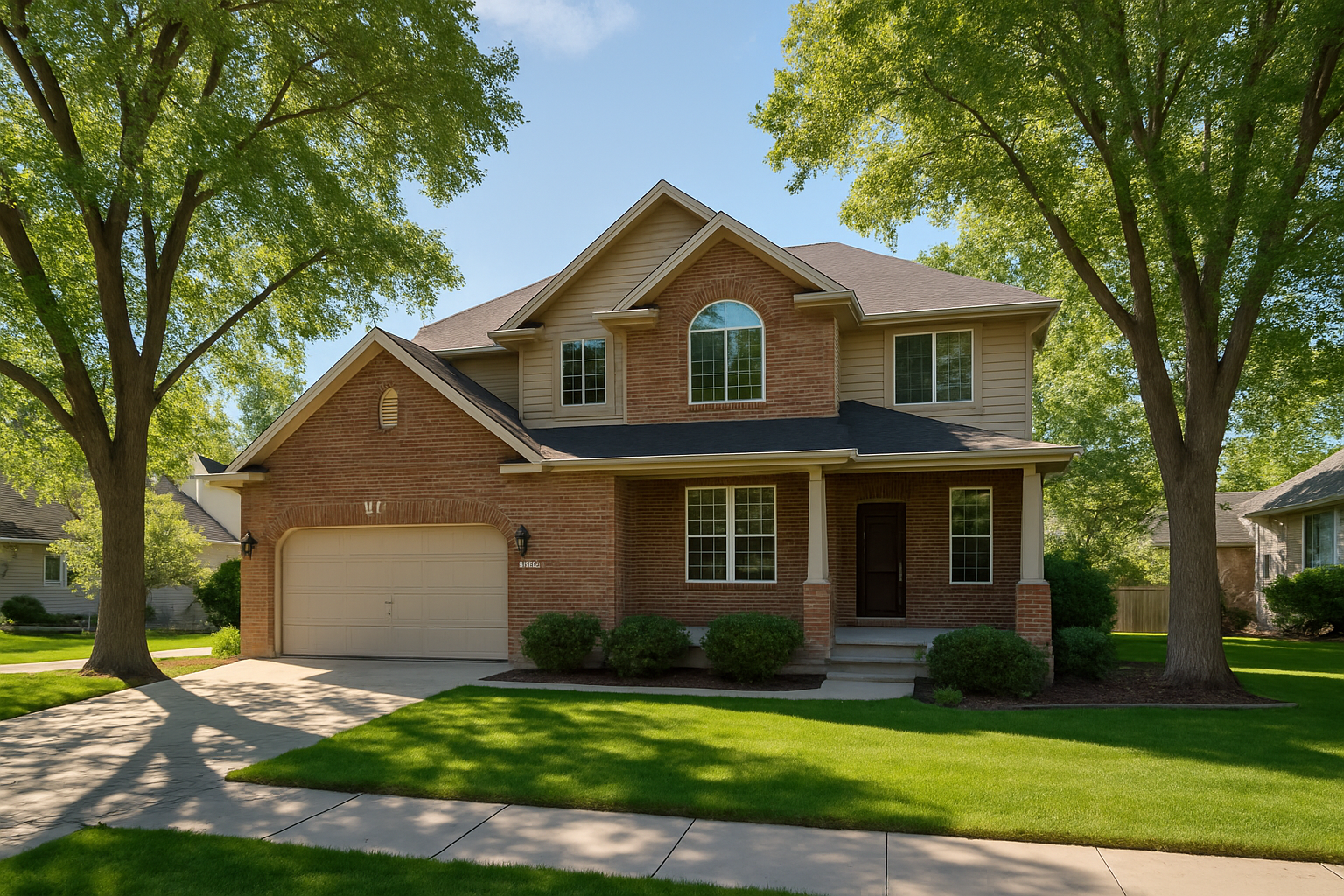
Kaysville Utah Horse Property and Large Lots — What's Available in 2026
If you're searching for Kaysville Utah horse property and large lots in 2026, here's the direct answer: Kaysville remains one of Davis County's most sought-after communities for equestrian properties and oversized parcels, with usable acreage typically starting around half an acre and horse-zoned properties routinely offering one to five or more acres. Inventory is limited but real — and knowing where to look, what zoning to request, and how to move quickly when listings appear makes all the difference. This guide walks you through everything you need to know before you start your search.
Why Do Buyers Choose Kaysville for Horse Property in Davis County?
Kaysville sits in a uniquely positioned stretch of Davis County — far enough from the urban density of Salt Lake City to offer genuine agricultural land, yet close enough to I-15 and Highway 89 to remain practical for commuters. The city has historically maintained agricultural zoning corridors along its eastern foothills and western benchlands, which means horse-keeping is a legitimate, codified use of land in specific zones — not just something neighbors tolerate informally.
Compared to neighboring Farmington or Layton, Kaysville has a quieter, more rural character in its peripheral neighborhoods, and longtime residents have resisted heavy rezoning pressure. That's good news for buyers seeking large lots. The trade-off is that when a genuine horse property lists in Kaysville, competition can be fierce. According to data tracked by the National Association of REALTORS®, rural and semi-rural properties with outbuildings and acreage have consistently outperformed standard residential lots in buyer demand over the past two years — and northern Utah is no exception to that trend.
What Zoning and Acreage Should You Look for in Kaysville?
Not every large lot in Kaysville is legally suited for horses. Before you fall in love with a property, you need to verify the zoning classification directly with Kaysville City. The most horse-friendly designations typically include Agricultural (A-1, A-2) and Residential Agricultural (RA) zones. These allow livestock, including horses, under specific density requirements — usually one horse per half-acre to one acre of usable land, depending on the parcel's total size and layout.
When David Supinger, Broker/Owner of HomeClick Real Estate, Certified Negotiation Expert (CNE), and CLHMS with 33+ years of experience in Northern Utah, works with equestrian buyers, he consistently emphasizes one point: always request the zoning verification letter from the city before making an offer, not after. "Buyers get emotionally attached to the barn and the pasture and forget to verify whether the next owner is legally allowed to keep horses on the property," says Supinger, who has sold more than 1,300 homes across the Wasatch Front. "That one step can save a client from a very expensive mistake."
Lot sizes worth targeting for a functional horse setup typically start around 0.75 acres for a single-horse situation and climb to two acres or more for anyone wanting a small breeding operation, arena space, or multiple animals. If you're looking at properties with existing barns, verify permits on those structures — unpermitted outbuildings can create complications at closing and with your lender.
What Does Kaysville Horse Property Typically Cost in 2026?
Pricing for horse properties and large-lot homes in Kaysville in 2026 spans a wide range depending on acreage, improvements, and location within the city. Entry-level properties on roughly half an acre with a modest barn or corral have been entering the market in the $650,000 to $800,000 range. Mid-tier properties — think one to two acres, updated home, functional barn with stalls, irrigated pasture — tend to list between $900,000 and $1.3 million. Premium properties with substantial acreage, arenas, professional-grade stabling, or panoramic Wasatch views have been pricing well above $1.5 million.
One factor driving prices upward is the scarcity of water rights attached to agricultural parcels. Kaysville properties with active secondary water connections or shares of irrigation water command meaningful premiums. Ask your agent to verify whether water rights convey with the property and at what volume — this detail belongs in the purchase contract, not as an assumption.
To explore current active listings without creating an account or paying a fee, visit UtahFreeHomeSearch.com, where you can filter by city, lot size, and property features to find horse properties and large-lot homes across Davis County in real time.
Are There Foreclosure or Distressed Horse Properties Available in Kaysville?
Distressed sales on horse properties do occur, though they represent a small slice of inventory. When they appear, they can offer equity opportunities — but they also carry risks that demand experienced representation. Foreclosure proceedings in Utah follow a non-judicial trustee sale process, and buyers of bank-owned or pre-foreclosure equestrian properties should understand that lenders are not obligated to disclose property conditions the way a traditional seller is.
For buyers pursuing distressed horse property, understanding the legal landscape matters. The Utah State Courts website provides access to public records on pending foreclosures and trustee sales, which can help buyers identify properties before they officially hit the MLS. Additionally, HUD.gov lists government-owned properties that occasionally include rural and agricultural parcels when FHA-insured loans go into default — worth checking as a supplemental search strategy.
David Supinger, recognized as a Wall Street Journal Top 250 agent — ranked #189 nationally — has extensive experience navigating distressed property transactions on behalf of buyers. His CNE designation and Master Digital Marketer (MDM) credential mean he combines sharp negotiation with modern search strategies to help clients find opportunities others miss. Reach him directly at 801-698-2526.
What Should You Look for During a Horse Property Inspection in Kaysville?
A standard home inspection will not cover the components that make or break an equestrian property. When purchasing horse property, you need inspectors and specialists who evaluate the following: structural integrity of barn and outbuildings, condition and capacity of water delivery systems (including stock water lines and secondary water infrastructure), quality of fencing including perimeter and paddock dividers, drainage patterns across pasture areas, and soil composition in high-use areas where compaction and mud management matter.
Septic systems are also more common on large-lot Kaysville properties than buyers accustomed to city sewer service expect. A full septic inspection — not just a visual check — is essential, particularly on older agricultural parcels where the system may have served decades of heavy use. Plan your due diligence timeline accordingly, as these specialty inspections add days to the process.
How Do You Compete When Kaysville Horse Property Inventory Is Tight?
In a low-inventory environment, preparation is the competitive advantage. Buyers who are pre-approved, have reviewed current comparable sales, and have a clear sense of their non-negotiables close faster and win more often than buyers who are still clarifying their criteria when a listing drops. Working with a seasoned local agent rather than a national aggregator is not a platitude — it's a practical edge. Local agents often know about properties before they list.
David Supinger and the team at HomeClick Real Estate bring more than three decades of Davis County market knowledge to every equestrian buyer consultation. Whether you're relocating from out of state, upsizing from a standard lot, or transitioning from rental boarding to ownership, getting a clear-eyed market briefing before you begin searching will sharpen your strategy considerably. Start your property search at UtahFreeHomeSearch.com and call 801-698-2526 to schedule a buyer consultation.
Frequently Asked Questions: Kaysville Utah Horse Property and Large Lots
- Can you legally keep horses in Kaysville, Utah?
- Yes, horses are permitted in Kaysville on properties with appropriate agricultural or residential-agricultural zoning. Specific regulations govern stocking density — typically one horse per half-acre to one acre of usable land — and you should verify the exact requirements with Kaysville City Planning before purchasing any property intended for equestrian use.
- What is the minimum lot size for a horse property in Kaysville?
- While city code details can vary, most practical horse setups in Kaysville require at minimum three-quarters of an acre of usable land for a single horse. For multiple horses, arenas, or full barn facilities, buyers typically target parcels of two acres or more. Irrigated, level land is more functionally valuable than a larger parcel that is steep or inaccessible.
- How much do horse properties cost in Kaysville in 2026?
- In 2026, horse properties in Kaysville range broadly. Modest setups on half an acre to one acre start around $650,000 to $800,000. Functional mid-tier properties with one to two acres and barn improvements range from $900,000 to $1.3 million. Premium equestrian estates with arenas, professional stabling, and significant acreage are priced above $1.5 million.
- Do water rights convey with horse property in Kaysville?
- Not automatically. Water rights are separate legal interests under Utah law and must be specifically addressed in the purchase contract. Some large-lot Kaysville properties include shares of secondary irrigation water or direct water rights that significantly increase property value and usability. Always verify what water rights, if any, are included before submitting an offer.
- How do I find horse properties for sale in Kaysville right now?
- The most efficient way to search current MLS listings in Kaysville filtered by lot size and property features is through UtahFreeHomeSearch.com, which provides free, real-time access to Utah MLS data. For personalized guidance and off-market opportunities, contact David Supinger at HomeClick Real Estate directly at 801-698-2526.
About David Supinger
David Supinger is a Certified Luxury Home Marketing Specialist (CLHMS), Resort and Second Home Property Specialist (RSPS), and Certified Negotiation Expert (CNE). Wall Street Journal Top 250 agent. Broker/Owner HomeClick Real Estate, 33+ years, 1,300+ homes sold. 801-698-2526 | vipluxuryteam.com