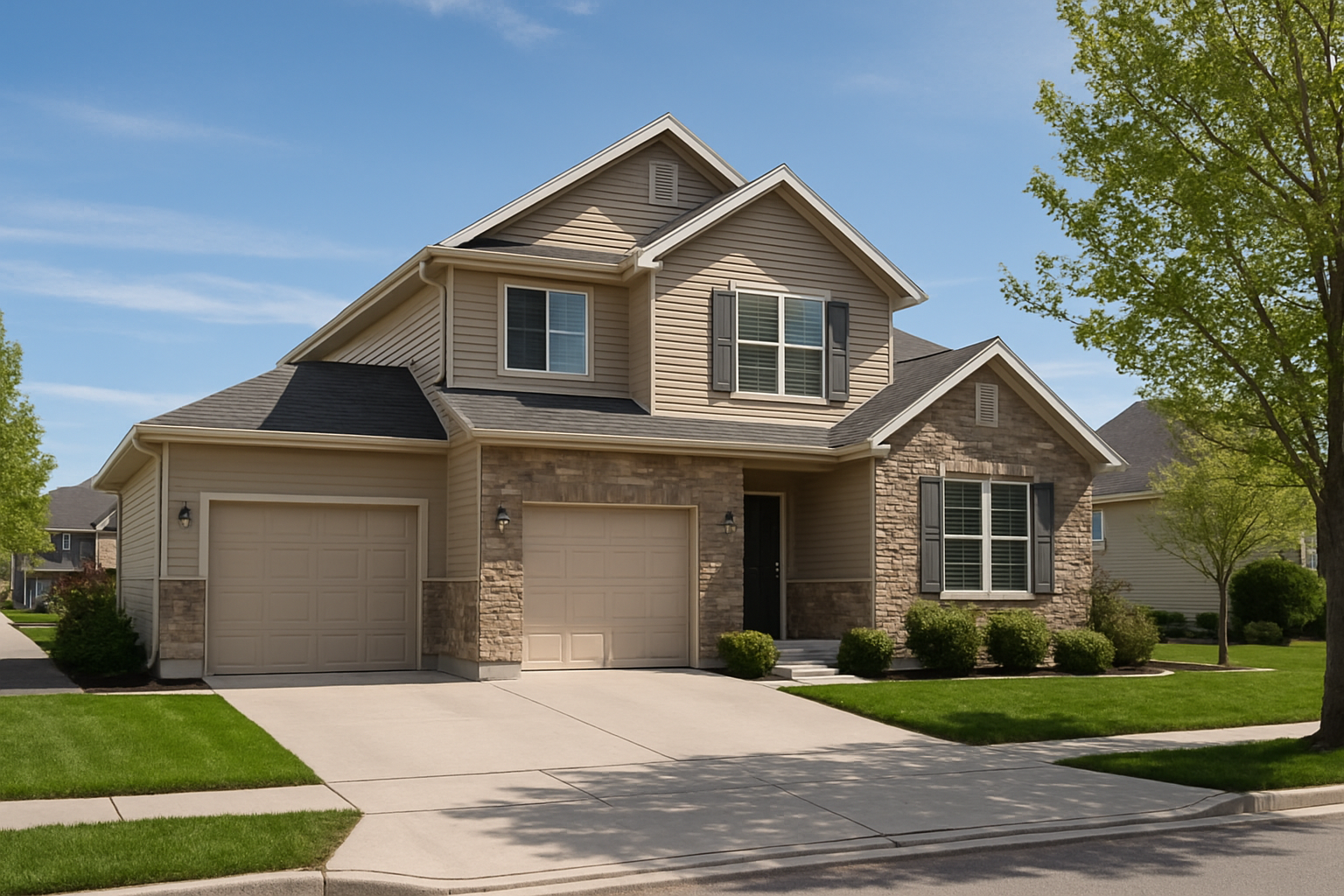
HUD Homes for Sale in Utah — How to Find and Buy Them
HUD homes for sale in Utah are properties acquired by the U.S. Department of Housing and Urban Development after a homeowner with an FHA-insured mortgage defaults and the lender forecloses. HUD then sells these homes directly to the public through an online bidding process at set listing periods, often at below-market prices. If you know how the system works, buying a HUD home in Utah can be one of the best ways to purchase a property with built-in equity — but the process has strict rules, deadlines, and "as-is" conditions that require an experienced guide. David Supinger, REO Specialist Certified and Broker/Owner of HomeClick Real Estate with 33+ years in the business, has helped hundreds of Utah buyers navigate HUD purchases successfully.
What Exactly Is a HUD Home and How Is It Different from a Regular Foreclosure?
A HUD home is specifically a single-family property (one to four units) that was purchased with an FHA loan, went into foreclosure, and was transferred to the U.S. Department of Housing and Urban Development. This is an important distinction. Not every foreclosure becomes a HUD property — only those backed by FHA financing do. When you visit HUD.gov, you can search the official HUDHomestore database to see all active HUD listings nationwide, including properties across Davis County, Salt Lake County, and the rest of Utah.
Standard foreclosures can be sold at trustee sale on the courthouse steps, through a bank's REO department, or via a listing agent. HUD homes, by contrast, are sold exclusively through HUD-registered brokers in a formal bid period. During the initial "Priority Period," only owner-occupant buyers, government agencies, and certain nonprofits can bid. Investors must wait until the property enters the extended listing period. This structure is designed to encourage homeownership over speculation — and it often gives primary-residence buyers a real pricing advantage.
Where Can I Search for HUD Homes for Sale in Utah Right Now?
The best starting point is HUDHomestore.com, the government's official platform. You can filter by state, county, and property type. However, many buyers find it easier to start their search on UtahFreeHomeSearch.com, which aggregates Utah MLS listings — including REO and distressed properties — in a clean, free interface. Combining both tools gives you the most complete picture of what's available in Farmington, Kaysville, Layton, Bountiful, and the communities along the Hill AFB corridor.
Keep in mind that HUD homes are listed for specific bid periods — often just a few days at a time before the deadline closes. Missing a window doesn't mean you've lost the property permanently, but acting quickly with a prepared offer always improves your position. According to the National Association of REALTORS®, distressed properties consistently attract competitive interest even in slower markets, making preparation essential.
How Does the HUD Bidding Process Work in Utah?
Here is a straightforward breakdown of how HUD home purchases work from start to finish:
- Get pre-approved. HUD requires proof of financing or cash funds before your offer can be submitted. FHA loans are common choices since HUD homes originally carried FHA financing, but conventional loans and cash are accepted as well.
- Find a HUD-registered selling agent. You cannot submit a HUD bid on your own — you must work with a broker registered in the HUDHomestore system. David Supinger is fully registered and has submitted hundreds of HUD bids over his 17+ years of REO disposition experience.
- Submit your bid during the listing period. Your agent submits the bid electronically through HUDHomestore. Bids are evaluated at the end of each listing period, and the highest net bid to HUD (factoring in any requested closing cost assistance) typically wins.
- Execute the HUD contract. If your bid is accepted, you will receive a HUD Sales Contract. This is a non-negotiable government form. You must sign and return it with earnest money within two business days.
- Complete due diligence and close. You have a short inspection period — typically 15 days — to conduct all inspections. HUD sells properties strictly as-is, so any issues discovered are your responsibility. Closings are handled by a HUD-approved closing agent.
From a legal standpoint, buyers should understand that Utah follows a deed of trust foreclosure framework. If you have questions about how foreclosure and title transfer work in this state, the Utah State Courts website provides public resources on civil procedures that can help contextualize what you're buying and how title was conveyed to HUD.
What Should I Know About the "As-Is" Condition of HUD Homes?
This is one of the most important realities of buying a HUD home — and one that catches unprepared buyers off guard. HUD will not make repairs, offer credits for defects, or renegotiate price based on inspection findings. What you see is exactly what you get. Properties are often vacant for months, which means deferred maintenance, possible vandalism, missing appliances, utility issues, and sometimes significant structural concerns.
David Supinger recommends that every buyer ordering a home inspection on a HUD property also budget conservatively for repairs before making an offer. Because you know the as-is price upfront, you can work backward: if the home lists at $285,000 and you estimate $40,000 in repairs, your bid strategy and financing plan need to account for both numbers. David's background as a former NLB Listing Broker for HUD, FDIC, and Fannie Mae gives his clients a genuine edge here — he has physically evaluated hundreds of REO properties and can read a HUD condition report with precision that most agents simply cannot match.
Can I Use FHA Financing to Buy a HUD Home in Utah?
Yes — and in many cases, FHA financing is a natural fit for HUD purchases. HUD even offers a special program called FHA 203(k) rehabilitation loans, which allow buyers to roll the purchase price and estimated repair costs into a single mortgage. This can be a powerful option for buyers interested in Davis County properties that need cosmetic or moderate renovation work. HUD's own website at HUD.gov has detailed information about the 203(k) program eligibility requirements.
Conventional financing is also widely used. Cash offers are attractive to HUD because they simplify and accelerate closing. Whichever financing path you choose, having a solid pre-approval letter in hand before the bid period opens is non-negotiable.
Are There Any Special Programs for First-Time Buyers or Teachers and Law Enforcement?
HUD operates a program called Good Neighbor Next Door (GNND) that offers law enforcement officers, teachers, firefighters, and emergency medical technicians a 50% discount on the list price of eligible HUD homes in HUD-designated revitalization areas. Participants must commit to living in the home as their primary residence for 36 months. Utah occasionally has properties qualify for this program, though availability is limited and location-specific.
First-time buyers who may also be exploring short sale properties as an alternative distressed-purchase path should know that David Supinger holds credentials through the Certified Short Sale Expert program, giving clients comprehensive representation across multiple types of distressed transactions — not just HUD.
How Do I Get Started Buying a HUD Home in Utah?
Start by searching current Utah listings at UtahFreeHomeSearch.com to understand your target market and price range. Then connect with David Supinger directly. As a WSJ Top 250 agent ranked #189 nationally with 1,300+ closed transactions and over three decades of Utah real estate experience, David brings a level of REO knowledge that is genuinely rare in this market. He is registered to submit HUD bids, knows the Davis County and Wasatch Front markets deeply, and will help you build a realistic offer strategy based on current HUD pricing trends.
Call David today at 801-698-2526 to schedule a free buyer consultation focused specifically on HUD and REO opportunities in your target area.
Frequently Asked Questions: HUD Homes for Sale in Utah
- Q: Do I need a real estate agent to buy a HUD home in Utah?
- A: Yes. HUD requires that all bids be submitted through a HUD-registered real estate broker or agent. You cannot submit a bid directly as a buyer. The good news is that HUD pays the buyer's agent commission on most transactions, so working with a qualified agent like David Supinger typically costs you nothing out of pocket on that side of the transaction.
- Q: How long does it take to close on a HUD home in Utah?
- A: Once your bid is accepted and the HUD Sales Contract is executed, closings are typically required within 45 days for financed purchases or 20 days for cash buyers. HUD enforces these deadlines strictly. Extensions are possible but must be requested formally and are not guaranteed, so having your financing fully underwritten before bidding is critical.
- Q: Can I negotiate the price on a HUD home?
- A: HUD homes are sold through a competitive bid system rather than traditional negotiation. You submit your best bid, and HUD evaluates all bids at the close of the listing period. If the property does not sell, HUD may reduce the list price and open a new bid period. Rather than negotiating price, your leverage comes from bid strategy — timing, financing type, and earnest money strength all factor in.
- Q: What happens if there are serious problems found during the inspection?
- A: Because HUD sells all properties strictly as-is, you generally cannot back out based on inspection findings and expect to receive your earnest money back unless your contract contains an inspection contingency that HUD has approved. This is why conducting a thorough inspection within the allowed window and budgeting for repairs before you bid is so important. An experienced REO specialist like David Supinger can help you assess risk before you commit.
- Q: Are HUD homes always cheaper than comparable market listings in Utah?
- A: Not always, but they frequently offer below-market opportunities, particularly when a property needs cosmetic or moderate repair work that discourages conventional buyers. HUD sets list prices based on an independent appraisal, so pricing is tied to market data. The real value often comes from motivated pricing on properties that have sat through multiple bid periods without selling — those are where experienced buyers with cash or rehab financing can find the most opportunity.
This information is for educational purposes only and does not constitute legal or financial advice. Consult a licensed Utah attorney or financial adviser for guidance specific to your situation.
About David Supinger
David Supinger is REO Specialist Certified with 17+ years REO experience. NLB Listing Broker for HUD, FDIC, Fannie Mae. Broker/Owner HomeClick Real Estate, 33+ years. 801-698-2526 | utahfreehomesearch.com