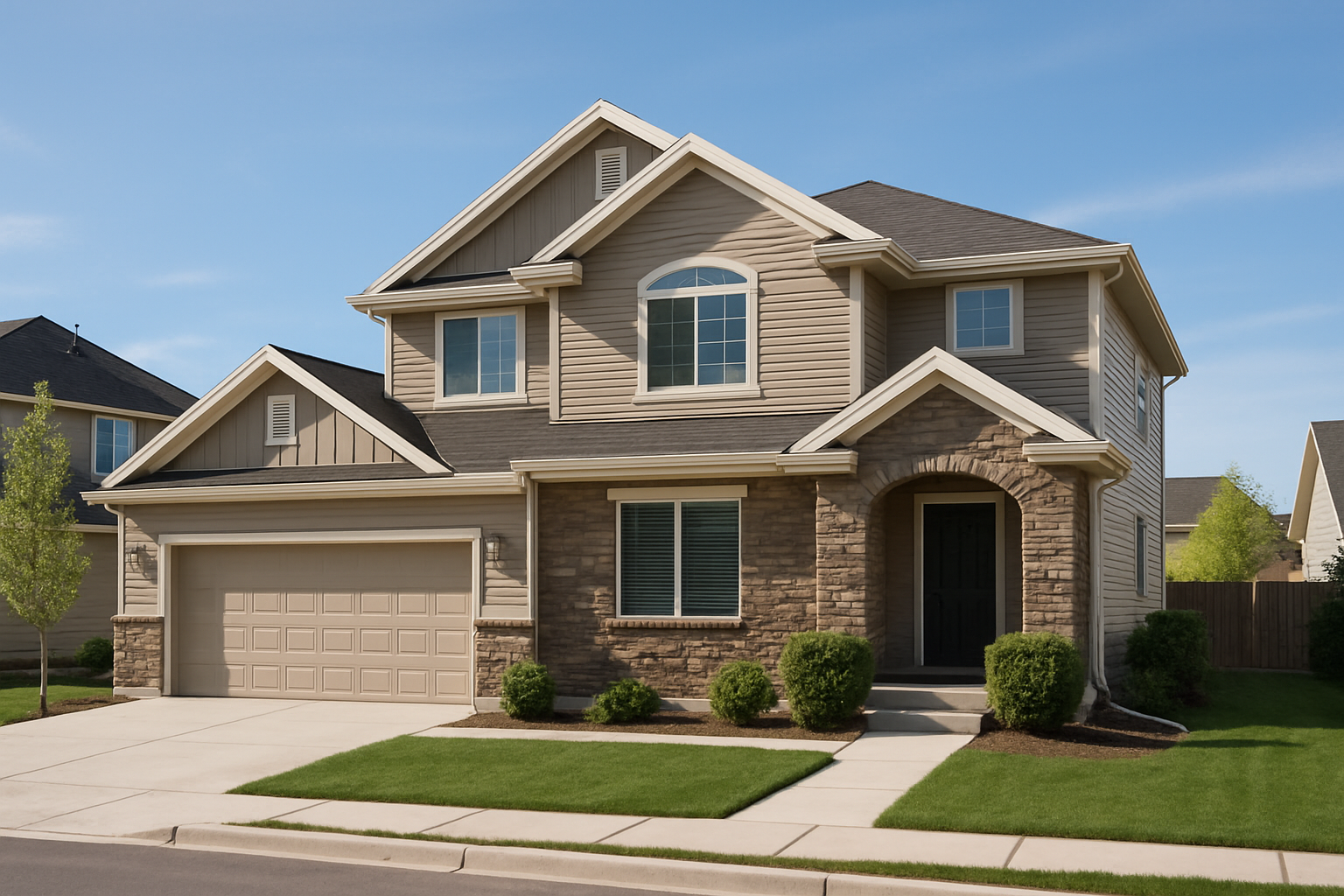
HUD Homes for Sale in Utah — How to Find and Buy Them
HUD homes for sale in Utah are government-owned properties sold through an online bidding process managed by the U.S. Department of Housing and Urban Development. When a homeowner with an FHA-insured mortgage defaults and the lender forecloses, HUD acquires the property and lists it for public sale — often at prices below market value. Buyers in Davis County and along the Wasatch Front can access these listings, submit offers through a registered HUD broker, and potentially purchase a home with as little as $100 down through special HUD incentive programs. This guide walks you through exactly how the process works and why working with a seasoned REO specialist makes all the difference.
What Exactly Is a HUD Home and Who Can Buy One?
A HUD home is a one-to-four unit residential property acquired by the federal government after a foreclosure on an FHA loan. Because FHA insured the original mortgage, HUD steps in to recover as much of the loss as possible by reselling the property. Unlike a traditional bank-owned listing, HUD homes are sold "as-is" — meaning the government makes no repairs and provides no warranties.
Almost anyone can buy a HUD home. Owner-occupant buyers — those who intend to live in the property as a primary residence — get priority during the first listing period, which typically lasts 30 days. After that window closes, investors are allowed to bid as well. Owner-occupants in areas like Layton, Kaysville, Farmington, and Bountiful often have an excellent first-mover advantage in competitive Davis County neighborhoods before investors ever enter the picture.
All bids must be submitted by a HUD-registered real estate broker. David Supinger, Broker/Owner of HomeClick Real Estate and a former NLB (National Listing Broker) Listing Broker for HUD, FDIC, and Fannie Mae, has navigated this bidding system for over 17 years. With 1,300+ homes sold and a Wall Street Journal Top 250 ranking (#189 nationally), he brings verified, hands-on HUD experience that most generalist agents simply cannot match.
Where Do You Search for HUD Homes in Utah?
The official source for all active HUD listings is HUD.gov. From the HUD Homestore portal, you can filter by state, county, and property type. Utah listings appear frequently along the Wasatch Front, including Davis, Weber, Salt Lake, and Utah counties. Properties near Hill AFB — spanning Layton and portions of Clearfield — surface regularly due to the density of FHA financing in that corridor.
For a broader view of all distressed, bank-owned, and conventionally listed properties in one place, start your search at UtahFreeHomeSearch.com. This free MLS search tool gives Utah buyers real-time access to active listings without requiring a login or personal information upfront — a genuine advantage when you are still in the early research phase.
According to National Association of REALTORS® data, distressed properties continue to represent a measurable share of total home sales nationwide, making it worthwhile for serious buyers to monitor these channels consistently, not just sporadically.
How Does the HUD Bidding Process Work in Utah?
HUD properties are not listed on the MLS in the traditional sense. They are listed on HUD Homestore, and all offers are submitted electronically through that portal by a HUD-registered broker. Here is the step-by-step process most Utah buyers follow:
- Get pre-approved. Before you can make a serious offer, you need a current pre-approval letter. HUD will not consider offers without proof of financing or proof of cash funds.
- Find a HUD-registered broker. Only registered brokers can submit bids. This is not optional — you cannot submit directly as a buyer.
- Tour the property. HUD homes can be toured during scheduled open periods. Your broker arranges access.
- Submit your bid. Your broker submits your offer electronically during the designated bid period. HUD reviews all bids and selects the one that nets the highest return to the government — not necessarily the highest gross price.
- Receive a response. HUD typically responds within 24–48 hours. If your bid is accepted, you have a set number of days to sign contracts and proceed to closing.
- Close through a HUD-approved closing agent. Utah closings are handled by title companies, consistent with standard Utah real estate practice.
The legal framework around foreclosure and property conveyance in Utah is governed by state law. If you have questions about how title transfers work or what encumbrances might follow a property through foreclosure, the Utah State Courts website offers public access to court records and legal resources that can help you understand what you are purchasing.
What Are the Biggest Mistakes Buyers Make With HUD Homes?
The most common error is underestimating repair costs. Because HUD sells as-is, buyers who skip a thorough independent inspection often face expensive surprises after closing. HVAC systems, roofing, plumbing, and electrical panels are the four most frequent problem areas in Davis County inventory. Budget conservatively and get your own licensed inspector — not someone referred by an unknown party.
The second mistake is bidding without a strategy. David Supinger's 17+ years of REO disposition experience — including direct work as an NLB Listing Broker for HUD — means he understands how HUD evaluates net return. A slightly lower offer structured correctly sometimes wins over a higher offer with seller concession requests that reduce HUD's net. That nuance is hard to learn without having worked the other side of the table.
Third, buyers sometimes confuse HUD homes with short sales. They are distinct processes. If a short sale situation comes up in your search, resources like the Certified Short Sale Expert program outline the specialized skills required to navigate lender negotiations — another area where David Supinger's REO Specialist Certification and decades of distressed property experience provide a clear advantage.
Are HUD Homes a Good Deal in Today's Utah Market?
In high-demand corridors like Farmington, Bountiful, and Kaysville, HUD homes can still represent value — but buyers should not assume a government-owned property is automatically priced below the market. HUD uses appraisals to set list prices and adjusts them periodically if properties go unsold. In slower price ranges or properties requiring significant rehabilitation, the discount can be meaningful. In tight inventory markets, the gap narrows.
The honest answer is: it depends on the specific property, its condition, and the current competitive environment. A buyer working with David Supinger at HomeClick Real Estate gets a realistic assessment grounded in 33+ years of Utah transaction experience and more than 1,300 closed sales — not optimistic guesswork designed to win a listing.
To explore active inventory right now, visit UtahFreeHomeSearch.com and search Davis County listings. When you are ready to take the next step, call David directly at 801-698-2526.
Frequently Asked Questions: HUD Homes for Sale in Utah
Can I buy a HUD home in Utah without a real estate agent?
No. All bids on HUD homes must be submitted by a HUD-registered real estate broker on your behalf. You cannot submit an offer directly as a buyer. Choosing a broker with specific HUD and REO experience — not just a general license — significantly improves your odds of a successful bid and a smooth closing.
Do HUD homes in Utah come with a home warranty?
No. HUD sells all properties strictly as-is with no warranties, representations, or guarantees about condition. This makes a thorough independent home inspection essential before you commit. Repair costs should be factored into your maximum offer price before you bid, not discovered afterward.
What is the $100 down payment program for HUD homes?
HUD periodically offers a $100 down payment incentive for owner-occupant buyers using FHA financing on select properties. Availability varies by property and listing period. Not every Utah HUD listing qualifies, and the program has eligibility requirements. Ask your HUD-registered broker whether any property you are targeting currently qualifies before assuming you will pay only $100 down.
How long does it take to close on a HUD home in Utah?
Once HUD accepts your bid, you typically have two business days to sign the sales contract and 30–45 days to close, depending on your financing type and any HUD-granted extensions. Cash buyers can often close faster. Delays in appraisals or title issues can extend this timeline. Working with an experienced broker helps you manage these deadlines without losing your accepted bid.
What happens if a HUD home does not sell during the initial listing period?
If no acceptable bids are received during the owner-occupant priority period, HUD opens bidding to all buyers — including investors — and may reduce the list price. Properties that remain unsold for extended periods can see additional price reductions, sometimes making them more attractive to buyers willing to take on greater rehabilitation work. Monitoring HUD Homestore and working with a knowledgeable local broker helps you catch these opportunities early.
This information is for educational purposes only and does not constitute legal or financial advice. Consult a licensed Utah attorney or financial adviser for guidance specific to your situation.
About David Supinger
David Supinger is REO Specialist Certified with 17+ years REO experience. NLB Listing Broker for HUD, FDIC, Fannie Mae. Broker/Owner HomeClick Real Estate, 33+ years. 801-698-2526 | utahfreehomesearch.com