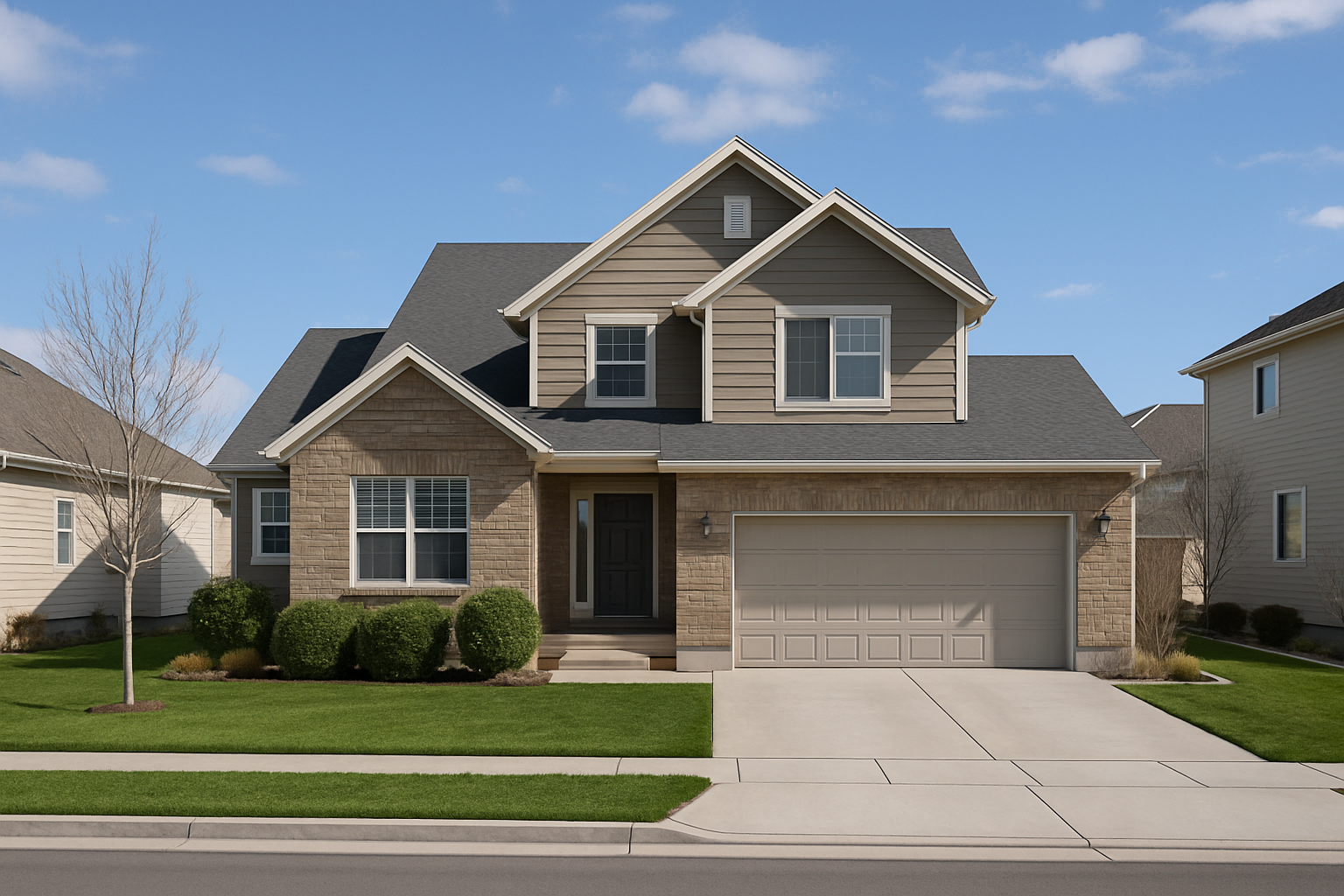
HUD Homes for Sale in Utah — How to Find and Buy Them
HUD homes for sale in Utah are government-owned properties sold through an official bidding process at HUD.gov, often priced below market value — making them an attractive option for first-time buyers, investors, and veterans looking for affordable housing along the Wasatch Front. Understanding how to find and buy these homes before the bidding window closes can mean the difference between landing a deal and missing out entirely.
If you're searching the Davis County corridor — Farmington, Kaysville, Layton, Bountiful, or the Hill AFB area — HUD homes occasionally surface in these neighborhoods and move fast. This guide walks you through exactly how the process works, what to expect, and why working with a credentialed REO specialist matters more than most buyers realize.
What Is a HUD Home and How Is It Different from a Regular Foreclosure?
A HUD home is a one-to-four unit residential property that was purchased with an FHA-insured mortgage and later acquired by the U.S. Department of Housing and Urban Development after the lender foreclosed. Unlike a bank-owned REO or a short sale, HUD homes are government assets sold through a standardized online bidding system managed by asset management contractors.
This distinction matters for buyers. HUD controls the timeline, the acceptable bid amounts, and which buyers can bid during which periods. Owner-occupant buyers get priority bidding windows before investors can submit offers. The process is structured and non-negotiable in ways that private sales are not — which is why experienced guidance is critical.
Where Can I Search for HUD Homes for Sale in Utah?
The official listing portal is HUD.gov, where you can filter by state, county, and property status. However, HUD listings also flow into the MLS, which means you can search for them alongside all active Utah listings at UtahFreeHomeSearch.com — a free MLS search tool that gives Utah buyers real-time access to the same data agents use. Bookmark both resources and check them frequently; bidding windows in competitive Davis County zip codes can open and close within days.
David Supinger, REO Specialist Certified and Broker/Owner of Home Click Real Estate with over 34 years in the Utah market, recommends setting up saved searches filtered by property type and price so you receive immediate alerts when new inventory hits. "Most buyers find out about HUD homes after the owner-occupant window has already opened," he notes. "Setting up alerts keeps you ahead of the competition."
How Does the HUD Home Bidding Process Work in Utah?
All offers on HUD homes must be submitted electronically through HUD's designated contractor portal by a registered HUD-approved selling broker — you cannot bid directly as a buyer. Here's how the process unfolds:
- Listing Period Opens: HUD lists the property and assigns a bid deadline. Owner-occupants, HUD-approved nonprofits, and government entities get an exclusive bidding window, typically the first 15–30 days.
- Bid Submission: Your agent submits your offer electronically before the deadline. Bids are sealed and reviewed at one time.
- Net to HUD: HUD evaluates offers based on the net amount they receive after allowable closing cost credits. The highest net bid at or above HUD's threshold wins.
- Acceptance and Contract: HUD issues a contract package if your bid is accepted. You typically have two business days to sign and return all required documents.
- Closing Timeline: Cash closings usually occur within 30–45 days; financed closings may take 45–60 days depending on loan type.
With 17+ years of REO disposition experience and a background as a former NLB Listing Broker for HUD, FDIC, and Fannie Mae, David Supinger has sat on both sides of this transaction. That inside knowledge of how HUD evaluates net bids and structures contracts is a genuine advantage when his clients are competing for properties in the Layton or Kaysville market.
Can I Use FHA Financing to Buy a HUD Home in Utah?
Yes — and in many cases, FHA financing is an excellent fit for HUD home purchases. HUD frequently offers FHA-insured financing programs, and some properties qualify for FHA 203(k) rehabilitation loans if the home needs repairs. Conventional loans and cash are also accepted, but buyers should be aware that HUD sells all properties in as-is condition. There are no seller repairs, no credits for defects discovered after the fact, and no negotiation on property condition.
This makes a pre-offer inspection essential even though HUD does not require one. Budget conservatively. Many HUD homes in Davis County have been vacant for months and may need mechanical, plumbing, or cosmetic work before they're move-in ready. Your lender also needs to pre-approve you before your agent can submit a valid bid, so get that step completed early.
What Are the Risks of Buying a HUD Home in Utah?
As-is condition is the primary risk. HUD makes no representations about the property's physical state, title history, or occupancy status. Buyers assume responsibility for understanding what they're purchasing. Additional risks include:
- Title complications: Foreclosed properties can carry junior liens, HOA arrears, or other encumbrances. A Utah-licensed title company should run a full title search before closing. For context on how Utah foreclosure law affects title, the Utah State Courts website provides public records access and procedural information.
- Repair costs exceeding budget: Without a seller disclosure, buyers rely entirely on inspection findings. Build contingency funds into your budget.
- Competitive bidding: In higher-demand corridors like Bountiful and Farmington, owner-occupant bidding periods can still attract multiple competing offers at or above list price.
- Strict timelines: Missing a document deadline can result in contract cancellation and forfeiture of your earnest money deposit.
According to data from the National Association of REALTORS®, distressed property buyers who work with experienced REO specialists close at significantly higher rates than those who navigate the process independently — a finding that aligns with what David Supinger's clients experience in the Utah market.
Do I Need a Special Agent to Buy a HUD Home?
Your agent must be registered with HUD's contractor as an approved selling broker to submit bids. Beyond that requirement, the agent you choose should have genuine REO experience — not just access to the portal. HUD's documentation requirements, bidding strategy, and as-is contract terms are materially different from standard Utah purchase agreements.
David Supinger's credentials in this area are among the strongest in the state. He holds REO Specialist Certification, has personally managed disposition for HUD, FDIC, and Fannie Mae assets as a former NLB Listing Broker, and has closed more than 1,300 homes over 34 years. His ranking as a Wall Street Journal Top 250 agent nationally — #189 — reflects transaction volume and client outcomes, not marketing spend. For buyers serious about HUD homes in Davis County and surrounding areas, working with an agent of that background is a meaningful edge.
To start your HUD home search today, visit UtahFreeHomeSearch.com and set up a free search alert, then call David directly at 801-698-2526 to discuss your goals and get registered before the next listing hits.
Buyers interested in related distressed property programs may also want to review resources from the Certified Short Sale Expert program, which provides education on overlapping foreclosure and short sale processes that sometimes affect properties in the same inventory pipeline as HUD homes.
Frequently Asked Questions: HUD Homes for Sale in Utah
How do I find out when a HUD home in Davis County is available for bidding?
HUD posts new listings and bid deadlines on HUD.gov and through the MLS. The fastest way to stay current is to set up automated alerts at UtahFreeHomeSearch.com and work with a registered HUD selling broker who monitors new inventory daily.
Can an investor buy a HUD home in Utah during the owner-occupant priority period?
No. Investors must wait until HUD opens the extended listing period, which occurs after the owner-occupant and nonprofit priority windows have closed without a ratified contract. Attempting to bid as an owner-occupant when you intend to invest is a violation of HUD's Owner Occupant Certification and can result in serious legal consequences.
How much earnest money is required on a Utah HUD home purchase?
HUD typically requires $500 in earnest money for homes priced under $50,000 and $1,000 for homes priced at $50,000 or more. This amount is non-refundable if you fail to close for reasons within your control, so be certain of your financing and timelines before submitting a bid.
Are HUD homes always priced below market value in Utah?
Not always. HUD prices homes based on an independent appraisal. In competitive Utah markets like Bountiful or Kaysville, appraised value may be close to or at current market value. The potential discount depends on property condition, location, and local demand at the time of listing.
What happens if my HUD home bid is rejected?
If your bid falls below HUD's acceptable net threshold or another bid nets higher, HUD will notify your agent. You can monitor the listing for a price reduction or re-bid in subsequent bidding rounds if the property remains unsold. Your agent can request the bid results to help you calibrate future offers on similar properties.
This information is for educational purposes only and does not constitute legal or financial advice. Consult a licensed Utah attorney or financial adviser for guidance specific to your situation.
About David Supinger
David Supinger is REO Specialist Certified with 17+ years REO experience. NLB Listing Broker for HUD, FDIC, Fannie Mae. Broker/Owner Home Click Real Estate, 34 years. 801-698-2526 | utahfreehomesearch.com