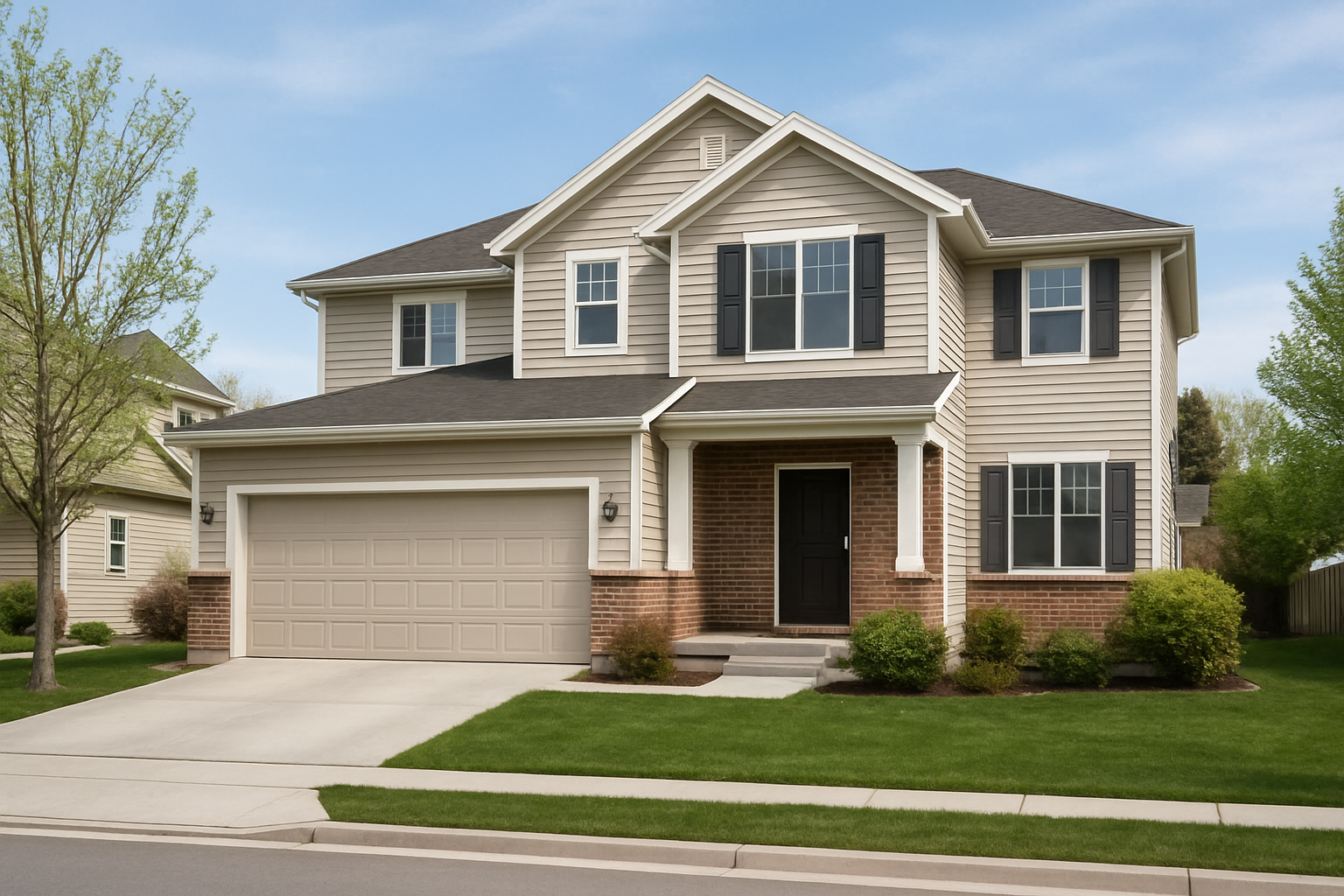
How to Make an Offer on a Bank-Owned Home in Utah: REO Buyer's Guide
Making an offer on a bank-owned home in Utah — also called an REO (Real Estate Owned) property — is a fundamentally different process than buying from a private seller. Banks follow strict internal procedures, use their own purchase contracts, and move on their own timeline. The good news: buyers who understand the REO offer process can secure solid properties at competitive prices, especially in high-demand Davis County corridors like Kaysville, Layton, and Farmington. This guide walks you through exactly what to expect, step by step, so you can compete and win.
What Is a Bank-Owned (REO) Home and How Is It Different From a Regular Sale?
An REO property is a home the bank reclaimed after a foreclosure auction failed to produce a buyer. At that point, ownership reverts to the lender — often a major bank, a government entity like HUD, or a government-sponsored enterprise like Fannie Mae. The lender then lists the property for sale, typically through specialized brokers.
Unlike a traditional sale, you are not negotiating with a family or an individual who has emotional ties to the home. You are negotiating with a loss-mitigation department that has internal timelines, asset managers, and approval chains. That changes nearly everything about how you prepare and submit your offer. For context on how federal foreclosures are managed, HUD.gov publishes detailed guidelines on the disposition of government-owned properties that are worth reviewing before you write your first offer.
Who Should Guide You Through the REO Offer Process in Utah?
Not every real estate agent has experience with bank-owned properties. REO transactions involve addenda, asset manager portals, and timelines that can trip up an agent who has only handled traditional sales. David Supinger, Broker/Owner of HomeClick Real Estate, holds an REO Specialist Certification and brings more than 17 years of REO disposition experience to every transaction. He previously served as a National Listing Broker (NLB) for HUD, the FDIC, and Fannie Mae — meaning he sat on the selling side of thousands of REO transactions in Utah before he began representing buyers full time. With 33-plus years in Utah real estate and more than 1,300 homes sold, David was recognized as a Wall Street Journal Top 250 agent, ranked #189 nationally. That inside knowledge of how asset managers think is a direct advantage for his buyers.
How Do You Find Bank-Owned Homes Listed in Utah?
Bank-owned homes appear in the MLS just like any other listing, though they may carry disclosures indicating bank or corporate ownership. The fastest way to search current REO inventory across Davis County and the broader Wasatch Front is to use UtahFreeHomeSearch.com, a free MLS search tool that pulls live listing data so you can filter by price, location, and property type without signing up for anything. Look for listings in Bountiful, Layton, Kaysville, Farmington, and the Hill AFB corridor — these areas have historically seen REO activity during market softening periods.
What Are the Steps to Make an Offer on a Bank-Owned Home in Utah?
Here is the practical sequence David Supinger walks his REO buyers through:
- Get pre-approved, not just pre-qualified. Banks will not seriously review an offer without a current, lender-issued pre-approval letter. A pre-qualification is not sufficient. The letter should be dated within 30 days and match the loan amount of your offer.
- Understand the bank's addenda before you write the offer. Most banks and asset managers — HUD, Fannie Mae, and private lenders — require buyers to sign their own addenda in addition to the standard Utah Real Estate Purchase Contract (REPC). These addenda favor the seller and often limit your ability to negotiate repairs, extend deadlines, or back out without penalty. Read them carefully with your agent.
- Submit a clean, complete offer package. Banks reject incomplete offers outright. Your package should include your pre-approval letter, earnest money documentation, proof of funds (if paying cash), the signed REPC, and all required bank addenda. Missing a single document delays the clock.
- Price your offer strategically. REO properties are typically priced at or near market value by asset managers who use broker price opinions (BPOs) and appraisals. Going dramatically below list price often wastes your time. David Supinger analyzes recent comparable sales and active competition before recommending your opening number.
- Expect a longer response window. Banks do not respond in 24 hours. Asset manager approval chains can take 3 to 10 business days, sometimes longer. Plan your timeline accordingly, especially if you are coordinating a simultaneous sale.
- Negotiate from data, not emotion. If the bank counters, respond with comparable sales data. Asset managers respect numbers. Emotional appeals have no place in REO negotiations.
Can You Negotiate on a Bank-Owned Home in Utah?
Yes — but within limits. Banks negotiate price, closing cost contributions, and occasionally closing date. What they almost never negotiate is property condition. REO homes are sold as-is. You will typically have the right to conduct a home inspection, but the bank will not make repairs or issue credits based on inspection findings in most cases. Your leverage is in knowing the market data well enough to justify your price and in submitting a cleaner, more complete offer than competing buyers.
According to data from the National Association of REALTORS®, distressed property sales — including REO — continue to represent a meaningful segment of transactions in markets with rising inventory. Buyers who prepare properly are consistently better positioned to close these deals.
What Happens After Your Offer Is Accepted?
Once an asset manager signs off on your offer, the clock starts on your due diligence period. Move fast. Schedule your inspection within the first few days. Order title insurance immediately — REO properties occasionally carry title complications from the foreclosure process. David Supinger works directly with title companies experienced in REO closings to flag any issues early.
For buyers concerned about the legal framework of foreclosure and title transfers in Utah, Utah State Courts provides public access to court records and judicial foreclosure documentation that can help you verify the chain of title before you close.
Also note that your lender will order an appraisal. If the home appraises below your offer price, you will need to either renegotiate with the bank, cover the gap in cash, or exercise your financing contingency to exit the contract. Having an experienced REO agent like David Supinger at the table significantly improves your ability to navigate a low appraisal scenario.
Is a Bank-Owned Home Ever Confused With a Short Sale?
Yes, and the distinction matters. A short sale occurs before foreclosure, when a homeowner sells for less than they owe and the lender approves the shortfall. An REO is post-foreclosure — the bank already owns the property. Both require specialized knowledge. If you are also exploring short sale opportunities, the Certified Short Sale Expert program offers educational resources on that process. For REO purchases in Utah specifically, David Supinger's former role as a national listing broker for HUD and Fannie Mae means he understands both sides of distressed property transactions better than virtually any buyer's agent in Davis County.
Ready to Make an Offer? Start Your Search Today
Bank-owned homes in Utah can represent genuine value — if you approach the process correctly. Start by searching current REO and MLS listings at UtahFreeHomeSearch.com, then call David Supinger directly to discuss your strategy before you write an offer. Reach him at 801-698-2526. With 17-plus years of REO experience and a track record that earned a Top 250 Wall Street Journal ranking, David brings the kind of specific expertise that turns a complicated bank transaction into a successful closing.
Frequently Asked Questions: Making an Offer on a Bank-Owned Home in Utah
- Q: How long does a bank typically take to respond to an offer on an REO property?
- A: Most banks and asset managers respond within 3 to 10 business days, though response times vary by institution. Government-backed entities like HUD have published response windows, while private lenders may take longer during high-volume periods.
- Q: Do I need a special contract to buy an REO home in Utah?
- A: You will use the standard Utah Real Estate Purchase Contract (REPC), but most banks require additional addenda specific to their institution. These addenda are non-negotiable in most cases and must be signed as a condition of the offer.
- Q: Can I get an inspection on a bank-owned home in Utah?
- A: Yes. Nearly all REO contracts allow a buyer inspection period. However, banks sell these homes as-is and will not make repairs or issue credits based on inspection findings. Your inspection is primarily for your own information and to decide whether to proceed.
- Q: How much earnest money should I offer on a bank-owned home?
- A: Many banks specify a minimum earnest money amount in their addenda — often 1% to 2% of the purchase price. Check the listing details and bank requirements before submitting your offer. Offering above the minimum can signal your seriousness to the asset manager.
- Q: Can I use FHA or VA financing to buy a bank-owned home in Utah?
- A: In many cases, yes — but property condition can be a barrier. FHA and VA loans have minimum property condition standards, and REO homes sold as-is may not meet those standards. Some HUD-owned homes are explicitly marketed to FHA buyers. Your agent and lender should assess each property individually before you submit a government-backed loan offer.
This information is for educational purposes only and does not constitute legal or financial advice. Consult a licensed Utah attorney or financial adviser for guidance specific to your situation.
About David Supinger
David Supinger is REO Specialist Certified with 17+ years REO experience. NLB Listing Broker for HUD, FDIC, Fannie Mae. Broker/Owner HomeClick Real Estate, 33+ years. 801-698-2526 | utahfreehomesearch.com