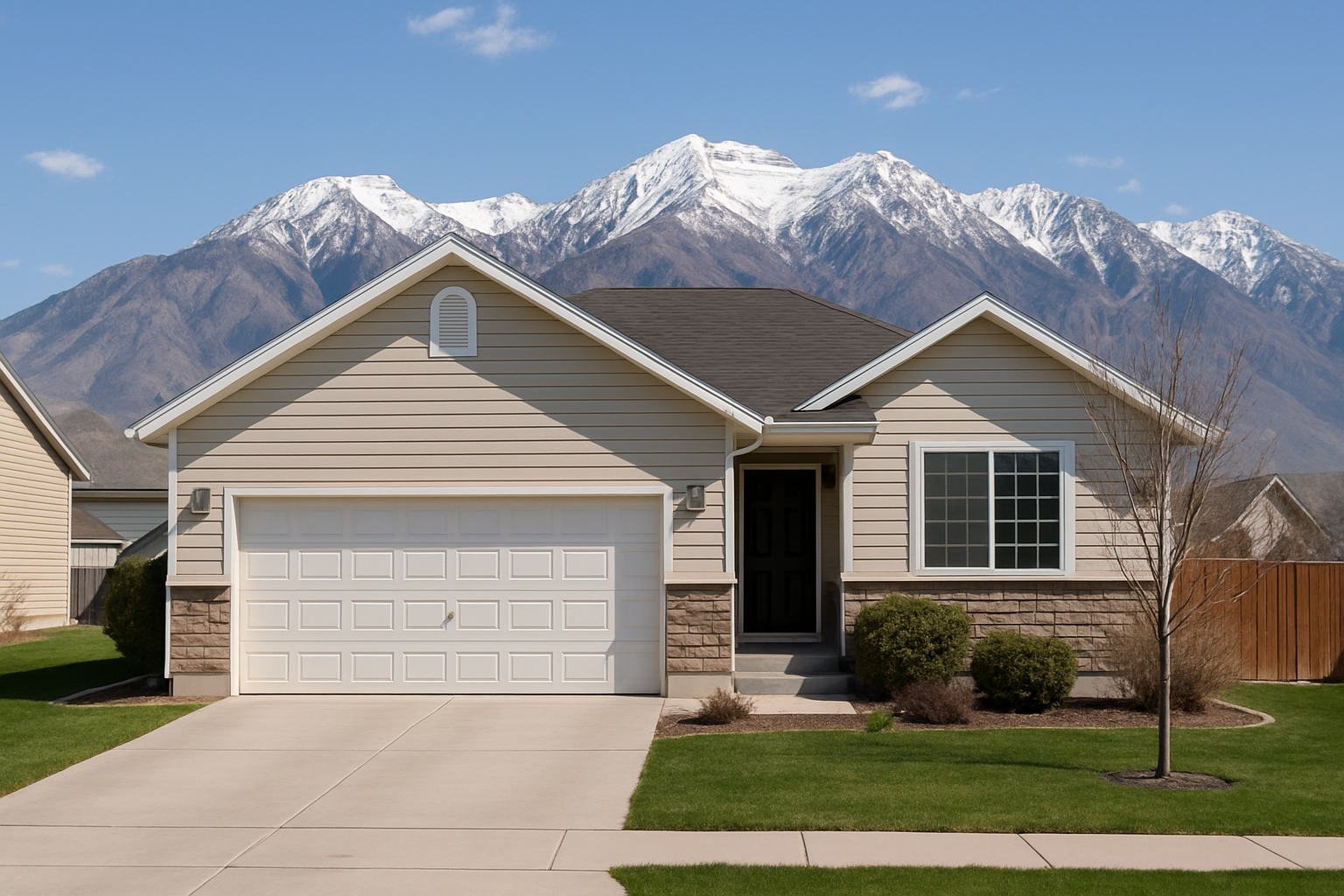
How to Buy a Short Sale Home in Utah — Step-by-Step Guide for 2026
Buying a short sale home in Utah in 2026 is absolutely possible — and can result in real savings — but it requires patience, preparation, and the right representation. A short sale occurs when a homeowner sells their property for less than what they owe on the mortgage, with lender approval. Unlike a traditional purchase, you're not just negotiating with a seller; you're negotiating with a bank. Done right, a short sale can deliver below-market value in high-demand Davis County communities like Farmington, Kaysville, Layton, and Bountiful. Done wrong, it can cost you months of time and a lot of frustration.
What Exactly Is a Short Sale, and How Is It Different from a Foreclosure?
A short sale is a pre-foreclosure transaction. The homeowner is still in control of the property but has fallen behind on payments and owes more than the home is worth. They're working with their lender to accept a "short" payoff rather than letting the property go all the way through foreclosure. For buyers, this distinction matters enormously. With a short sale, you can inspect the property, negotiate repairs, and take your time with due diligence. A foreclosure auction — governed in part by rules you can review at Utah State Courts — typically sells properties as-is with no contingencies and no access for inspections beforehand.
Short sales tend to be in better physical condition than bank-owned (REO) properties because the original owner is still living in and maintaining the home. That's a meaningful advantage in markets along the Hill AFB corridor where inventory stays tight and move-in-ready homes command premium prices.
Who Should You Work With to Buy a Short Sale in Utah?
This is where most buyers make their biggest mistake — they assume any licensed agent can handle a short sale. They can't, not effectively. Short sale transactions require specialized knowledge of lender loss mitigation departments, hardship documentation, BPO (Broker Price Opinion) negotiations, and federal guidelines including those published by HUD.gov. The process is fundamentally different from a standard purchase.
David Supinger, Broker/Owner of HomeClick Real Estate and a 33-year veteran with over 1,300 homes sold, holds both the SFR (Short Sales & Foreclosure Resource) designation and the Certified Distressed Property Expert (CDPE) certification — two of the most rigorous credentials available to agents working distressed properties in Utah. He was ranked #189 nationally by the Wall Street Journal's Top 250 agents list and is currently pursuing the CSSE designation through the Certified Short Sale Expert program. When your offer is sitting in a loss mitigation queue at a major servicer, that level of expertise is the difference between approval and a dead file.
Step 1 — Get Pre-Approved Before You Search
Short sale lenders will not take your offer seriously without a strong pre-approval letter in hand. This isn't a situation where a pre-qualification letter will do. You need a fully underwritten pre-approval from a reputable lender, ideally one familiar with Utah's market. The bank reviewing your short sale offer is evaluating whether the deal will actually close. A weak buyer letter is an easy reason to reject or deprioritize your file.
If you're a buyer near Hill AFB, VA financing works on short sales, but timelines and appraisal requirements add complexity. Discuss this with both your lender and your agent before making an offer.
Step 2 — Identify the Right Properties and Understand Market Value
Not every distressed listing is a deal. Some short sale listings are priced at or above market because sellers (or their agents) are testing the water. You need to understand what comparable homes are actually selling for in Farmington, Kaysville, Bountiful, and Layton before you can evaluate whether a short sale represents genuine opportunity.
Start your search at UtahFreeHomeSearch.com, which gives buyers free, full access to Utah's MLS. You can search by city, price range, school district, and property type. Bookmark properties, monitor price changes, and build a watchlist. When combined with the guidance of an experienced adviser like David Supinger, you'll be able to filter quickly between listings that represent real value and ones that are priced at retail despite distressed status.
According to data tracked by the National Association of REALTORS®, distressed properties consistently represent a smaller share of total sales in healthy markets — which means when they appear in Davis County, they attract significant buyer interest. Moving quickly with a clean, well-documented offer matters.
Step 3 — Submit a Strong, Clean Offer
Your offer needs to be priced close to current market value — not a lowball. Banks conduct their own BPO (Broker Price Opinion) and will reject offers that are significantly below what their internal valuation shows. A strong short sale offer includes your pre-approval letter, proof of funds for the down payment and closing costs, a reasonable inspection period, and minimal contingencies beyond financing and inspection. Escalation clauses and complex terms slow down the bank's review process.
David Supinger's CDPE and SFR training specifically covers how to structure offers that move through loss mitigation efficiently. These aren't just letters after his name — they represent hundreds of hours of training on exactly how lender servicing departments evaluate and approve short sale files.
Step 4 — Navigate the Lender Approval Process (This Is Where Patience Matters)
Once your offer is submitted to the seller, they forward the entire short sale package — hardship letter, financial statements, listing agreement, and your purchase contract — to their lender's loss mitigation department. From there, you wait. In 2026, approval timelines vary widely: some lenders respond in 30–45 days; others take 90–120 days or longer, particularly when the loan is serviced through a large national bank or involves a second lien.
Your agent must follow up consistently, document every communication, and be prepared to counter-negotiate when the bank issues a counteroffer or requests a price adjustment based on their BPO. This is standard — it doesn't mean the deal is falling apart. It means the process is working as designed.
Step 5 — Complete Due Diligence After Approval
Once the lender approves the short sale, the clock starts ticking. Lender approval letters typically include an expiration date — often 30 to 45 days. You need to complete your inspection, order your appraisal, finalize financing, and close within that window. This phase is compressed, so have your inspector and lender lined up before approval arrives.
Inspect thoroughly. Short sales are typically sold as-is, meaning the seller cannot make repairs and the lender won't contribute to them. Whatever your inspection reveals, you're buying it. Price your offer accordingly, and make sure you have reserves for deferred maintenance.
What Are Common Pitfalls When Buying a Short Sale in Utah?
The most common mistakes buyers make include: choosing an agent without short sale credentials, submitting a lowball offer that triggers an immediate rejection, failing to protect the earnest money with proper contingency language, and underestimating the timeline. Some buyers get frustrated and walk away from legitimate deals simply because they weren't mentally prepared for the wait. Others close a short sale and discover the property had undisclosed liens that complicate title. Working with a title company experienced in distressed transactions and an agent like David Supinger — who has been negotiating Utah short sales since the 1990s — significantly reduces these risks.
If you have questions about the process or want a frank conversation about current short sale inventory in Davis County, call 801-698-2526 directly.
Frequently Asked Questions: Buying a Short Sale Home in Utah
- How long does a short sale take to close in Utah in 2026?
- Most Utah short sales take between 60 and 120 days from offer submission to closing, depending on the lender, the number of liens on the property, and how complete the seller's hardship package is. Some can close faster; others with complex loan servicers or second mortgages may stretch longer. Build this timeline into your housing plans before making an offer.
- Can I use FHA or VA financing to buy a short sale in Utah?
- Yes. Both FHA and VA loans can be used to purchase short sale properties in Utah, including in Davis County communities near Hill AFB. However, these loan types come with specific appraisal and condition requirements that must be met before closing. Your agent and lender need to coordinate early in the process to ensure the property will qualify.
- Is a short sale a good deal for buyers?
- It can be, but not automatically. The list price on a short sale isn't always below market value — it needs to be evaluated against comparable sales in the area. Genuine short sale opportunities in Farmington, Kaysville, Layton, and Bountiful do exist, but they require careful analysis. The real advantage is often less competition than a traditional listing and the ability to inspect before purchasing.
- What happens if the bank rejects my offer on a short sale?
- A rejection doesn't always mean the deal is dead. Banks often counter at a higher price based on their internal BPO. An experienced short sale agent can negotiate that counter, provide market data to challenge an inflated BPO, or help you decide whether to accept, counter, or walk away. David Supinger's SFR and CDPE training specifically covers BPO challenges and lender counter negotiations.
- Do short sales show up on the regular MLS in Utah?
- Yes. Short sales are listed on the Utah MLS just like traditional listings. They're typically marked as "short sale" or "subject to lender approval" in the listing notes. You can search for them alongside all other active listings at UtahFreeHomeSearch.com, which provides free, real-time access to Utah MLS data for buyers.
This information is for educational purposes only and does not constitute legal or financial advice. Consult a licensed Utah attorney or financial adviser for guidance specific to your situation.
About David Supinger
David Supinger holds the SFR and CDPE certifications and is pursuing his CSSE designation. Negotiating Utah short sales since the 1990s. Broker/Owner HomeClick Real Estate, 33+ years. 801-698-2526 | utahfreehomesearch.com