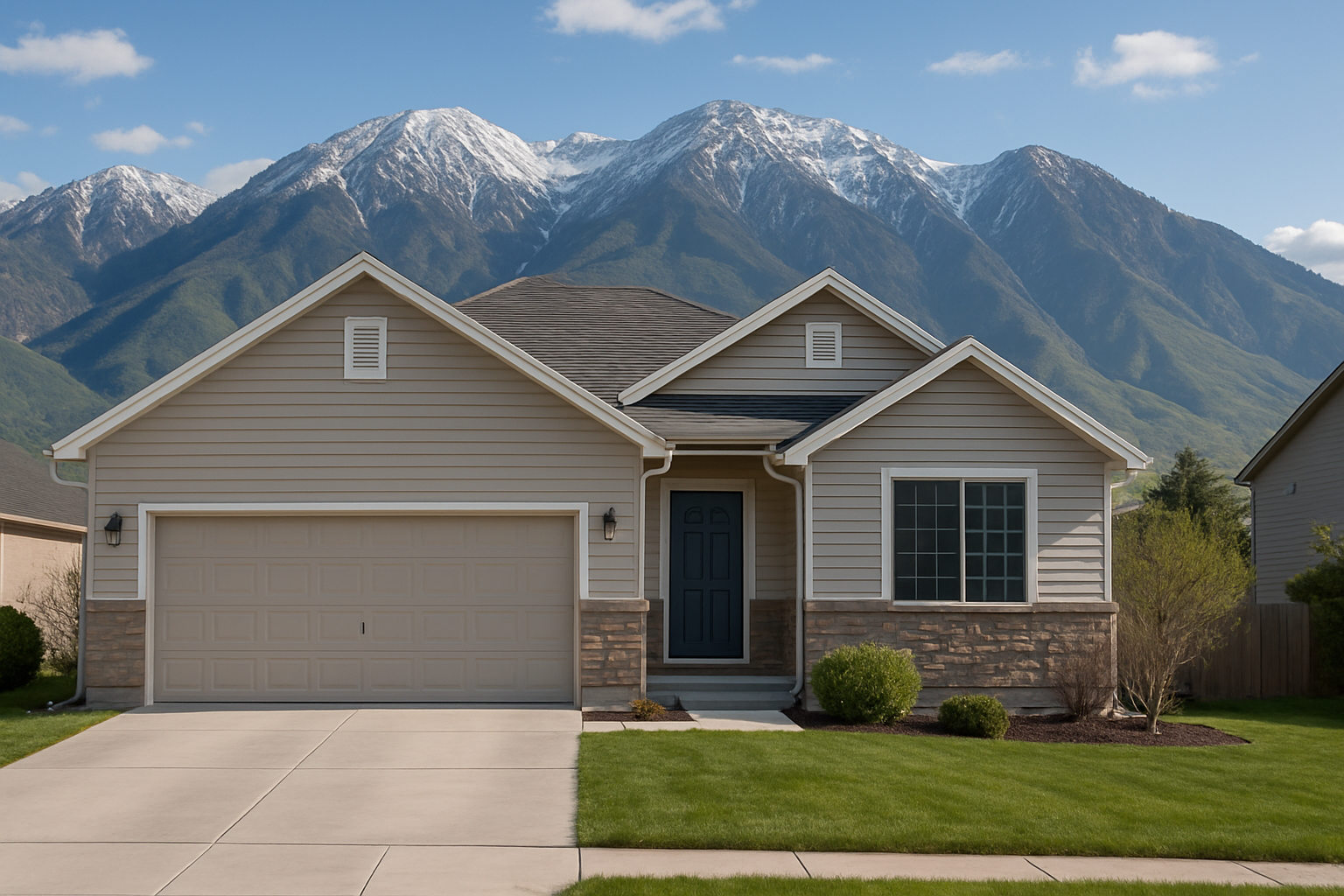
How to Buy a Short Sale Home in Utah — Step-by-Step Guide for 2026
Buying a short sale home in Utah in 2026 can be one of the smartest moves you make as a buyer — but only if you know what you're getting into before you write an offer. A short sale happens when a homeowner sells their property for less than what they owe on their mortgage, with the lender's approval. The process is slower and more complex than a traditional sale, but the payoff can be a below-market home in communities like Farmington, Kaysville, Layton, or Bountiful. This guide walks you through every step, so you can move forward with confidence instead of costly surprises.
What Exactly Is a Short Sale, and How Is It Different From a Foreclosure?
A short sale and a foreclosure are not the same thing, even though both involve a distressed seller and a lender calling the shots. In a short sale, the homeowner is still in control — they list the property, accept offers, and negotiate with the lender to approve the sale before the home goes back to the bank. A foreclosure, by contrast, means the lender has already taken ownership through a legal process you can review on the Utah State Courts website.
The key practical difference for buyers: a short sale gives you more time to inspect, negotiate, and finance the home. A foreclosure (REO) is typically sold as-is by the bank with far less room for buyer protections. Both can offer value, but they require very different strategies.
Why Are Short Sales Appearing in Utah's Market Again in 2026?
After years of rapid appreciation across Davis County and along the Wasatch Front, higher interest rates and affordability pressure have pushed some homeowners underwater on their mortgages. According to the National Association of REALTORS®, distressed property sales are ticking upward in markets where affordability stress is highest — and Utah's Hill AFB corridor communities are no exception. Layton, Clearfield, and surrounding areas have seen increased military relocation and job transitions that sometimes result in short sale situations.
For buyers, this creates a window of opportunity — but only for those who understand the process and have the right representation.
Step 1 — Find the Right Short Sale Properties to Consider
Not all short sales are listed with clear disclosure in MLS remarks. Some are identified by keywords like "subject to lender approval" or "third-party approval required." Start your search at UtahFreeHomeSearch.com, where you can browse active Utah MLS listings for free without creating an account. Filter by area — Bountiful, Farmington, Kaysville, Layton — and watch for those third-party approval indicators in the listing details.
You can also set up alerts so new short sale listings in your target zip codes hit your inbox the moment they go live. In a market where distressed inventory moves fast, being first matters.
Step 2 — Get Pre-Approved and Understand the Timeline
Lender timelines on short sales are notoriously unpredictable. Some approvals come back in 30 days. Others take four to six months. In 2026, servicers have improved their processes compared to the 2010 era, but delays still happen. Before you make an offer, get fully pre-approved — not just pre-qualified — so your financing is ironclad when the lender's approval finally arrives.
Buyers using FHA loans should also check HUD.gov for current guidelines on purchasing distressed properties, including any applicable waiting periods or property condition requirements. HUD's rules on habitability can affect which short sales are even eligible for FHA financing.
Step 3 — Work With an Agent Who Has Real Short Sale Credentials
This is where most buyers make their most expensive mistake: hiring a generalist agent to handle a specialist transaction. Short sales involve lender negotiation, hardship documentation review, BPO (Broker Price Opinion) disputes, and coordinating timelines across multiple parties simultaneously. It is not standard real estate practice.
David Supinger, Broker/Owner of HomeClick Real Estate and a nationally recognized Wall Street Journal Top 250 agent (ranked #189 nationally), holds both the SFR (Short Sales & Foreclosure Resource) designation and the Certified Distressed Property Expert (CDPE) certification — two of the most rigorous short sale credentials in the industry. With 33+ years of experience and over 1,300 Utah homes sold, David has been negotiating short sales in Davis County since the 1990s boom-and-bust cycles that most current agents never lived through professionally. He is currently pursuing his CSSE designation through the Certified Short Sale Expert program, keeping his skills current as lender requirements evolve.
Having credentials like David's on your side means knowing when to push back on a low BPO, how to protect your earnest money if the deal falls apart, and how to keep a transaction alive when the seller's servicer changes mid-process — all situations that routinely kill deals handled by unprepared agents.
Step 4 — Make a Strong, Clean Offer
When writing an offer on a Utah short sale, the goal is to be attractive to both the seller and the lender. Lenders are approving a price, not just a contract, so your offer needs to be defensible against their internal valuation process. Avoid lowball numbers — lenders will order a BPO independently, and if your offer is significantly below market, it will simply be rejected, wasting months of everyone's time.
Key offer elements that help in 2026:
- Strong earnest money (1–2% of purchase price) held in a reputable Utah escrow
- Flexible closing timeline with specific language protecting your deposit during lender review
- An escalation clause if you're in a competitive short sale situation with multiple offers
- Home inspection contingency — always, regardless of condition
- Clear short sale addendum language approved for Utah transactions
Step 5 — Navigate the Lender Approval Process
After your offer is accepted by the seller, the listing agent submits a complete short sale package to the lender. This package includes the seller's hardship letter, financial statements, the purchase contract, a comparative market analysis, and often a preliminary HUD-1 or settlement statement estimate. The lender assigns a negotiator, orders the BPO, and eventually issues an approval letter with their net proceeds requirement.
David Supinger's CDPE and SFR training means he knows exactly what lenders want in that package and how to respond when the approval comes back with conditions — a price counter, a required closing date, or a demand that no closing costs be paid by the seller. Each of these scenarios has a correct response that keeps your deal alive.
Step 6 — Due Diligence, Inspections, and Closing
Short sale homes are typically sold as-is from the lender's perspective, but that does not mean you forfeit your right to inspect. Always order a full home inspection, sewer scope, and radon test at minimum. In older Bountiful or Layton neighborhoods, add a foundation inspection to your list. If the inspection reveals serious issues, you can use that information to renegotiate with the lender or, if necessary, exit the contract within your contingency window.
Once lender approval is in hand and inspections are cleared, the closing process looks nearly identical to a conventional purchase. Title is cleared, final loan documents are signed, and you receive keys to your new home.
Frequently Asked Questions: How to Buy a Short Sale Home in Utah
How long does it take to buy a short sale home in Utah in 2026?
The timeline varies significantly depending on the lender and the complexity of the file. In 2026, many servicers have streamlined their review processes, and approvals can come back in 45 to 90 days for straightforward transactions. However, complex files — especially those involving second liens, HOA arrears, or multiple investors — can take four to six months or longer. Plan for the longer timeline and build flexibility into your living arrangements before going under contract.
Can I use an FHA or VA loan to buy a short sale in Utah?
Yes, in most cases FHA and VA loans are eligible for short sale purchases, but there are important conditions. The property must meet HUD minimum property standards for FHA financing, which rules out homes in significant disrepair. VA loans have similar habitability requirements. Visit HUD.gov for current FHA property condition guidelines. Your agent and lender should evaluate the specific property's condition before you commit to offer terms.
Is buying a short sale home really a good deal in 2026?
It can be — but the discount is rarely as dramatic as buyers expect. Lenders are sophisticated about market values and will not approve a sale that leaves too much money on the table. In Utah's current market, short sales often sell at 5–15% below comparable traditional sales, accounting for condition and market time. The real value is sometimes less about price and more about finding inventory in a tight market like Davis County or the Hill AFB corridor.
What happens to my earnest money if the lender rejects the short sale?
If the lender declines to approve the short sale and the transaction cannot be completed through no fault of the buyer, your earnest money is typically refundable — but this protection depends entirely on the language in your purchase contract and short sale addendum. David Supinger ensures that Utah buyers he represents have properly drafted earnest money protection language before any funds are submitted. Never rely on a verbal promise; get the protection in writing.
Should I hire a real estate attorney when buying a Utah short sale?
While Utah does not legally require an attorney for real estate closings, short sales involve legal nuances — including potential deficiency language in the lender's approval letter — that deserve legal review. The approval letter may contain terms that affect the seller (and indirectly, the deal structure) that a qualified real estate attorney should evaluate. You can research Utah legal resources through the Utah State Courts website. For complex transactions, a one-hour attorney consultation is money well spent.
This information is for educational purposes only and does not constitute legal or financial advice. Consult a licensed Utah attorney or financial adviser for guidance specific to your situation.
Ready to start your short sale search in Davis County? Browse current Utah listings for free at UtahFreeHomeSearch.com and call David Supinger directly at 801-698-2526 to discuss whether a short sale property fits your goals for 2026.
About David Supinger
David Supinger holds the SFR and CDPE certifications and is pursuing his CSSE designation. Negotiating Utah short sales since the 1990s. Broker/Owner HomeClick Real Estate, 33+ years. 801-698-2526 | utahfreehomesearch.com