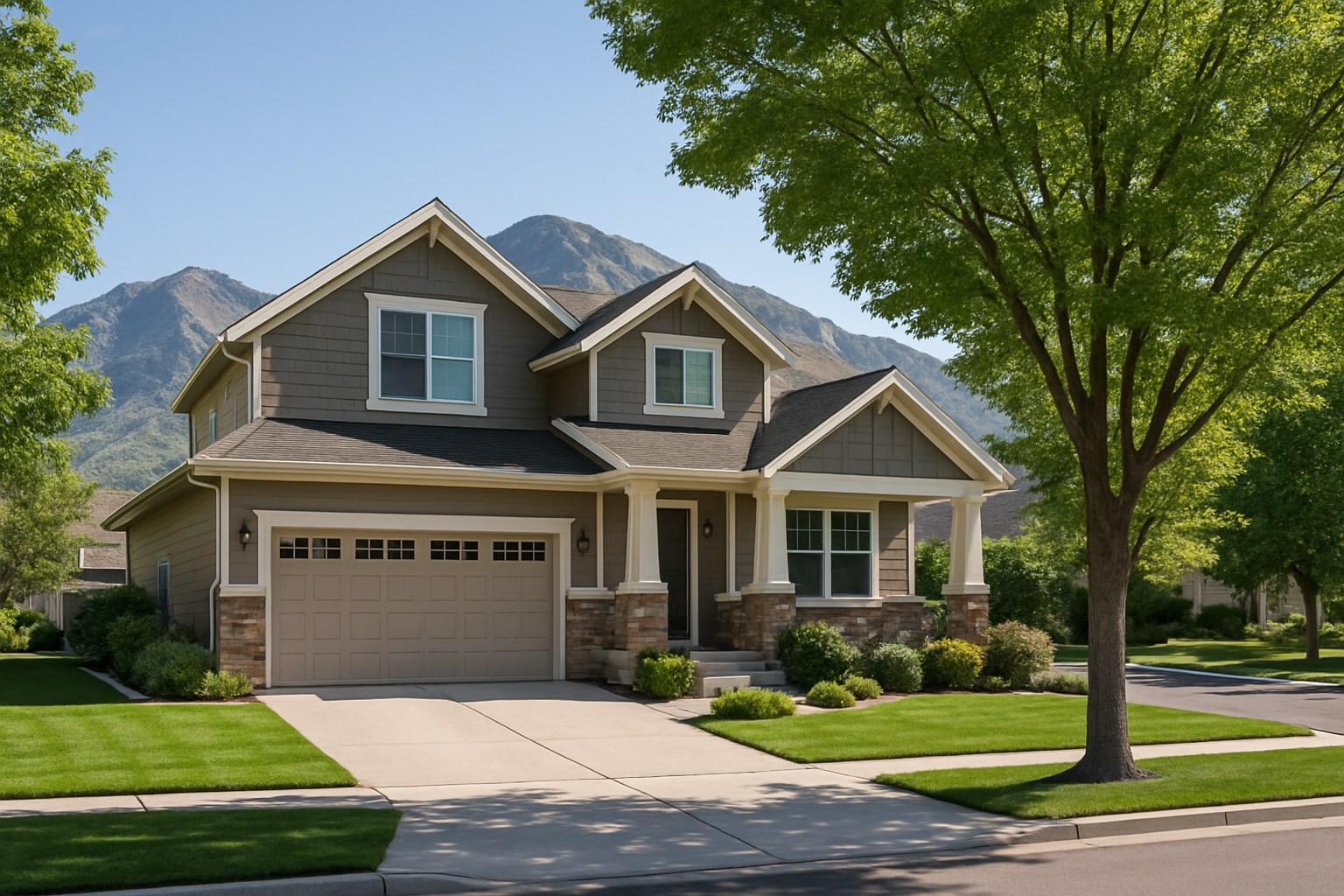
Davis County Utah Seller's Market or Buyer's Market? The 2026 Answer
As of early 2026, Davis County Utah sits in a transitional market leaning toward sellers — but with meaningful pockets of buyer opportunity depending on price point, neighborhood, and property type. Inventory remains below historical norms, but rising interest rates and affordability pressure have cooled the frenzy of 2021–2022, giving qualified buyers more negotiating room than they've seen in years. If you're trying to decide whether to buy or sell in Farmington, Kaysville, Layton, Bountiful, or along the Hill AFB corridor, the short answer is: it depends on your specific situation — and getting that answer right requires local expertise, not national headlines.
What Is the Current State of the Davis County Housing Market in 2026?
Davis County has long been one of Utah's most competitive housing markets. Proximity to Salt Lake City, strong job anchors like Hill Air Force Base, and consistently high quality of life ratings drive steady demand. In 2026, median home prices in the county hover in the $490,000–$540,000 range, with Bountiful and Farmington commanding premiums for walkability and school district quality.
According to data tracked by the National Association of REALTORS®, markets with fewer than three months of inventory are generally classified as seller's markets. Davis County is currently running between 2.4 and 3.1 months depending on the price band — meaning the upper end (above $700K) is approaching balance, while entry-level homes under $450,000 are still seeing multiple offers within the first week of listing.
David Supinger, Broker/Owner of HomeClick Real Estate and a Wall Street Journal Top 250 agent ranked #189 nationally, has been tracking Davis County real estate for over 33 years. His read on the current landscape: "We are not in a crash. We are in a correction that rewards preparation. Sellers who price correctly are still winning. Buyers who wait for prices to drop dramatically are likely to be disappointed — but buyers who negotiate smart are finding deals they couldn't touch two years ago."
Is Davis County a Seller's Market or a Buyer's Market Right Now?
The technical answer is a mild seller's market overall, with specific buyer advantages emerging in certain segments. Here's how to break it down:
- Under $450,000: Strong seller's market. Limited supply, high demand from first-time buyers and military families tied to Hill AFB. Expect competition.
- $450,000–$650,000: Balanced to slight seller advantage. Homes priced correctly move in 10–21 days. Overpriced listings sit — giving buyers negotiating leverage.
- $650,000–$900,000: Approaching balance. Days on market have increased. Buyers have room for inspection requests, seller concessions, and price negotiations.
- $900,000+: Buyer's market conditions. Luxury and semi-luxury inventory has accumulated. Sellers in this range must be competitive or face extended market times.
If you want to see current active listings in each of these price ranges, start your search at UtahFreeHomeSearch.com — a free MLS search tool with real-time Davis County listings filtered by city, price, and property type.
How Do Interest Rates Affect Davis County Buyers and Sellers in 2026?
Mortgage rates have been the defining force reshaping Utah real estate over the past three years. Rates in the 6.5%–7.2% range have compressed buyer purchasing power significantly compared to the sub-3% environment of 2020–2021. This has done two things simultaneously: it has reduced the number of active buyers (good for those who remain, because there's less competition), and it has locked in existing homeowners who secured low rates and are reluctant to sell (bad for inventory).
This "rate lock" effect is a core reason Davis County inventory hasn't surged despite reduced buyer demand. Homeowners in Kaysville or Layton sitting on a 2.8% mortgage have little financial incentive to move unless life circumstances demand it — relocation, divorce, job change, or upsizing for a growing family.
David Supinger's CNE (Certified Negotiation Expert) designation has proven particularly valuable in this environment. Creative structures like seller-paid rate buydowns, assumable loan scenarios, and closing cost concessions are tools he regularly deploys to bridge the gap between what buyers can afford and what sellers need to net. If you'd like to explore these strategies, call David directly at 801-698-2526.
What Should Davis County Home Sellers Know Before Listing in 2026?
The days of throwing a sign in the yard and fielding twenty offers are largely over — except for well-priced entry-level homes. Sellers in 2026 need to lead with three things: accurate pricing, strong presentation, and strategic marketing.
Overpricing is the single greatest mistake sellers make in a transitional market. A home that sits for 45+ days develops market stigma — buyers assume something is wrong, and offers come in lower than if the home had been priced right from day one. David Supinger's Master Digital Marketer (MDM) credential means your listing receives a level of digital exposure — targeted social campaigns, SEO-driven property pages, and video marketing — that most agents simply cannot replicate.
With 1,300+ homes sold over 33+ years in northern Utah, David has navigated every market cycle this region has seen. That depth of experience is the difference between a listing that sells in two weeks and one that expires.
What Should Davis County Home Buyers Know Before Making an Offer in 2026?
Buyers in 2026 have more tools available to them than at any point in the last four years. Inspection contingencies are back. Appraisal gaps are less common. Sellers are increasingly willing to offer concessions — particularly in the $600K+ range.
That said, the most desirable homes — updated ranchers in Bountiful, new construction near Farmington Station, homes in top-rated Kaysville school zones — still move fast. Being pre-approved, not just pre-qualified, is non-negotiable. Knowing your rights as a buyer, including disclosure requirements and contract protections, is equally important. For legal and contract context in Utah real estate transactions, the Utah State Courts website provides helpful guidance on real property law and dispute resolution.
First-time buyers should also explore down payment assistance programs available through HUD.gov, including FHA loan options that remain popular in Davis County's entry-level market segments.
David Supinger's CLHMS (Certified Luxury Home Marketing Specialist) designation also means buyers stepping into Davis County's premium market have an advocate who understands high-value negotiations from both sides of the table. His experience translates directly into better outcomes whether you're buying a $350,000 townhome in Layton or a $1.2 million estate in Farmington.
Which Davis County Cities Are Hottest for Real Estate in 2026?
Not all Davis County submarkets behave identically. Here's a quick snapshot:
- Farmington: High demand driven by Farmington Station area amenities, FrontRunner access, and newer construction. Family-friendly, strong appreciation history.
- Kaysville: Consistent performer. Excellent schools, larger lot sizes, lower turnover. Homes here rarely sit long.
- Layton: The county's most active market by volume. Hill AFB proximity keeps demand elevated year-round. Good value relative to Salt Lake County.
- Bountiful: Mature, established market. Higher price-per-square-foot in premium areas. Some buyer opportunity in older inventory needing updates.
- Hill AFB Corridor (Clearfield, Hill, Clinton): Military relocation demand keeps this segment active regardless of broader market cycles.
Browse current listings in each of these communities at UtahFreeHomeSearch.com to see real-time pricing and available inventory.
Frequently Asked Questions: Davis County Utah Seller's Market vs. Buyer's Market 2026
- Q: Is it a good time to sell a home in Davis County in 2026?
- A: Yes, for correctly priced homes — particularly in the under-$650,000 range. Entry-level inventory remains tight, and motivated sellers working with an experienced agent like David Supinger can still achieve strong results. The key is strategic pricing and professional marketing.
- Q: Is it a good time to buy a home in Davis County in 2026?
- A: For buyers in the $600,000+ range, conditions are more favorable than they've been in years — more inventory, longer days on market, and greater seller flexibility on concessions. Entry-level buyers still face competition but benefit from down payment programs through HUD.gov and FHA financing options.
- Q: How many months of inventory does Davis County currently have?
- A: Davis County is running approximately 2.4 to 3.1 months of inventory depending on price band, according to current local MLS data. Anything below three months typically indicates seller's market conditions, though the upper price segments are approaching balance.
- Q: What is the average days on market for Davis County homes in 2026?
- A: Entry-level homes priced correctly are moving in under 14 days. Mid-range homes average 18–28 days. Luxury properties above $800,000 are averaging 45–75 days in many cases, reflecting softening in that segment and buyer negotiating opportunity.
- Q: How do I find current Davis County home listings?
- A: The easiest way to search current Davis County MLS listings for free is at UtahFreeHomeSearch.com. You can filter by city, price, bedrooms, and more. For personalized guidance on buying or selling, contact David Supinger at 801-698-2526.
About David Supinger
David Supinger is a Certified Luxury Home Marketing Specialist (CLHMS), Resort and Second Home Property Specialist (RSPS), and Certified Negotiation Expert (CNE). Wall Street Journal Top 250 agent. Broker/Owner HomeClick Real Estate, 33+ years, 1,300+ homes sold. 801-698-2526 | vipluxuryteam.com