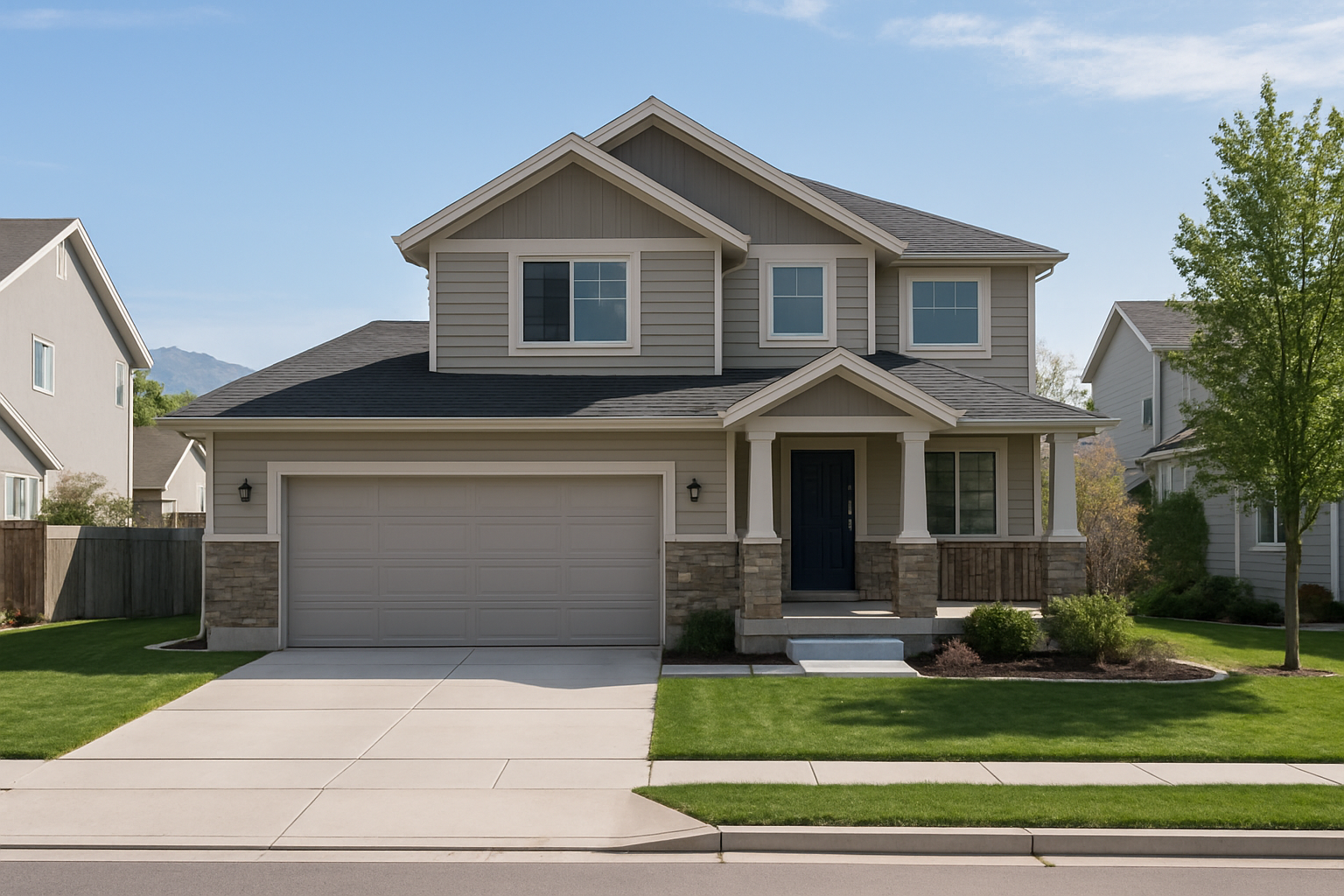
Can You Use a VA Loan to Buy REO or Foreclosure in Utah?
Yes — veterans and active-duty service members can use a VA loan to purchase REO (Real Estate Owned) and foreclosure properties in Utah, but there are important property condition requirements and process differences that make these transactions more complex than a standard purchase. VA loans require the home to meet Minimum Property Requirements (MPRs), which means not every distressed property will qualify. Understanding those limitations upfront — and working with an agent who specializes in REO disposition — is the difference between closing and losing your earnest money.
What Is an REO Property and How Does It Differ from a Standard Foreclosure?
An REO (Real Estate Owned) property is a home that has already completed the foreclosure process and is now owned by the lender — typically a bank, government entity, or mortgage servicer. In Utah, the foreclosure process is primarily non-judicial, meaning lenders can foreclose through a trustee sale without going through the court system. You can review the general framework at Utah State Courts if you want to understand how Utah's legal foreclosure timeline works.
Once a home reverts to the lender at trustee sale, it becomes REO inventory. Federal agencies like HUD and Fannie Mae manage thousands of these properties nationally. David Supinger, Broker/Owner of HomeClick Real Estate, served as an NLB Listing Broker for HUD, FDIC, and Fannie Mae — giving him direct insider knowledge of how these institutional sellers operate, how they price homes, and exactly what they will and won't negotiate.
Will VA Lenders Actually Approve a Loan on a Foreclosure in Utah?
The short answer is yes — if the property passes a VA appraisal. The VA doesn't ban foreclosure purchases outright, but their appraisal process is stricter than conventional lending. A VA-approved appraiser will assess the home not just for value but for safety, structural soundness, and livability. Common deal-killers include:
- Roof damage or missing shingles
- Broken or missing windows
- Non-functional electrical, plumbing, or HVAC systems
- Peeling paint on homes built before 1978 (lead-paint concern)
- Evidence of pest infestation or standing water
- Missing appliances the VA considers essential
Many REO sellers — including HUD — list their properties "as-is" and will not make repairs. That's a potential conflict with VA MPRs. However, HUD does sell a category called "Insured with Escrow" (IE) and "Insured" (IN) properties that may qualify for FHA or VA financing. You can browse current HUD inventory and status codes at HUD.gov. David Supinger's 17+ years of REO disposition experience means he can read those status codes immediately and tell you which homes are realistic VA candidates before you write an offer.
What Are the Biggest Challenges Using a VA Loan on Utah REO Properties?
Beyond property condition, there are several practical friction points veterans need to know about:
As-Is Clauses: Most institutional REO sellers will not renegotiate after a VA appraiser flags repairs. If the VA requires a new water heater and the seller won't install one, your deal dies unless you can use an escrow holdback or a VA renovation loan (VA rehab loan) — and not all lenders offer those products.
Owner-Occupancy Windows: HUD homes, for example, have an "exclusive listing period" for owner-occupant buyers before investors can bid. Veterans purchasing with a VA loan qualify as owner-occupants and have access during this priority window — a real competitive advantage when working with someone like David Supinger who understands HUD's bidding timeline.
Closing Timelines: REO sellers typically want to close fast — often 30 to 45 days. VA loans can close in that window when the buyer is well-prepared (pre-approval, COE in hand, responsive lender), but delays in VA appraisal scheduling can push timelines. Sellers sometimes use this as a reason to favor conventional offers. An experienced agent negotiates appropriate closing language upfront.
Occupancy Requirements: VA loans require the borrower to occupy the property as a primary residence. This matters for veterans stationed at Hill Air Force Base in the Layton/Clearfield corridor who may have PCS concerns. David Supinger works extensively in the Hill AFB market and understands how deployment and PCS orders interact with VA loan occupancy rules.
Are Short Sales Treated the Same as REO for VA Loan Purposes?
No — a short sale is different from REO. In a short sale, the original homeowner still technically owns the property but owes more than it's worth; the lender agrees to accept less than the full payoff. Properties may be in better condition, and sellers sometimes have more flexibility. However, short sales carry their own complexity — third-party lender approval, longer timelines, and title issues. Buyers interested in distressed properties of all types should understand the full spectrum. The Certified Short Sale Expert program outlines why specialized expertise matters in these transactions. VA loans can absolutely be used on short sales, and the same MPR standards apply.
How Do You Search for REO and Foreclosure Listings in Davis County Utah?
This is where many buyers waste time on third-party sites with outdated data. The most accurate starting point is a live MLS search. At UtahFreeHomeSearch.com, you can search active listings across Davis County — Farmington, Kaysville, Layton, Bountiful, Syracuse, and the communities surrounding Hill AFB — with real-time MLS data. You can filter by price, property type, and status to identify bank-owned and government-owned homes currently available.
According to the National Association of REALTORS®, distressed property sales represent a small but consistent slice of the market — and those homes move quickly when priced right. Having immediate access to current inventory, combined with an agent who has physically listed and closed hundreds of REO homes, is your competitive edge.
Why Does REO Experience Matter for Utah VA Buyers?
REO transactions have a different rhythm than traditional sales. Sellers use addenda that override your purchase contract language. Counteroffers come in forms you're not expecting. Title history can carry complications. Occupancy timelines aren't always clean. David Supinger holds his REO Specialist Certification and has closed more than 1,300 homes over 33+ years — including direct work as a listing broker for HUD, FDIC, and Fannie Mae portfolios. He was ranked among the Wall Street Journal's Top 250 agents nationally, coming in at #189. That background isn't just a credential on a wall — it means he knows REO seller systems from the inside, which protects VA buyers from preventable mistakes.
If you're a veteran or active-duty military buyer looking at distressed properties in the Davis County area, call David directly at 801-698-2526. He can review specific properties with you, assess VA loan viability before you write an offer, and help you structure a competitive bid that accounts for the seller's institutional requirements.
Frequently Asked Questions: VA Loan to Buy REO or Foreclosure in Utah
Can I use my VA loan benefit on a HUD home in Utah?
Yes, veterans can use a VA loan to purchase a HUD home in Utah if the property meets VA Minimum Property Requirements. HUD properties are listed with condition codes — "Insured" (IN) and "Insured with Escrow" (IE) homes are the most likely to qualify. HUD's "Uninsured" (UI) properties are typically in worse condition and less likely to pass a VA appraisal without significant repairs. Reviewing HUD inventory at HUD.gov with an experienced agent is the best first step.
Will the VA allow an as-is purchase on a foreclosure?
The VA loan program requires the property to meet safety and habitability standards regardless of how the seller lists it. Even if the contract says "as-is," the VA appraiser may flag required repairs. If the seller won't complete those repairs and you cannot use an escrow holdback arrangement, the loan will not close. A VA renovation loan (also called a VA rehab loan) may be an option for some buyers, though fewer lenders offer this product.
How long does it take to close a VA loan on an REO property in Utah?
In typical market conditions, a VA loan can close in 30 to 45 days if the buyer is fully prepared — meaning a Certificate of Eligibility (COE) is in hand, lender pre-approval is complete, and the VA appraisal is scheduled promptly. The VA appraisal timeline can vary by appraiser availability in the local market. Working with a lender experienced in VA loans in Utah and having your documentation ready before making an offer helps protect against timeline issues.
Are REO properties cheaper in Davis County Utah right now?
REO properties are often priced at or near market value because institutional sellers use independent appraisals and BPOs (Broker Price Opinions) to set asking prices. The discount, if any, usually reflects deferred maintenance or condition issues rather than simple below-market pricing. The real value is in finding a home where the condition discount exceeds the repair cost — which requires accurate assessment of both. Search current inventory at UtahFreeHomeSearch.com to see what's actively listed.
What if the foreclosure has title problems — does my VA loan cover that?
VA loans do not automatically protect you from title defects. REO properties can carry issues such as IRS liens, HOA liens, or prior owner claims that did not get properly extinguished in the foreclosure process. Utah's non-judicial foreclosure process, while efficient, is not immune to title complications — you can review general foreclosure legal procedure at Utah State Courts. Purchasing owner's title insurance (which is not required but strongly recommended) and working with a qualified title company that reviews REO history carefully is essential for any distressed property purchase.
This information is for educational purposes only and does not constitute legal or financial advice. Consult a licensed Utah attorney or financial adviser for guidance specific to your situation.
About David Supinger
David Supinger is REO Specialist Certified with 17+ years REO experience. NLB Listing Broker for HUD, FDIC, Fannie Mae. Broker/Owner HomeClick Real Estate, 33+ years. 801-698-2526 | utahfreehomesearch.com