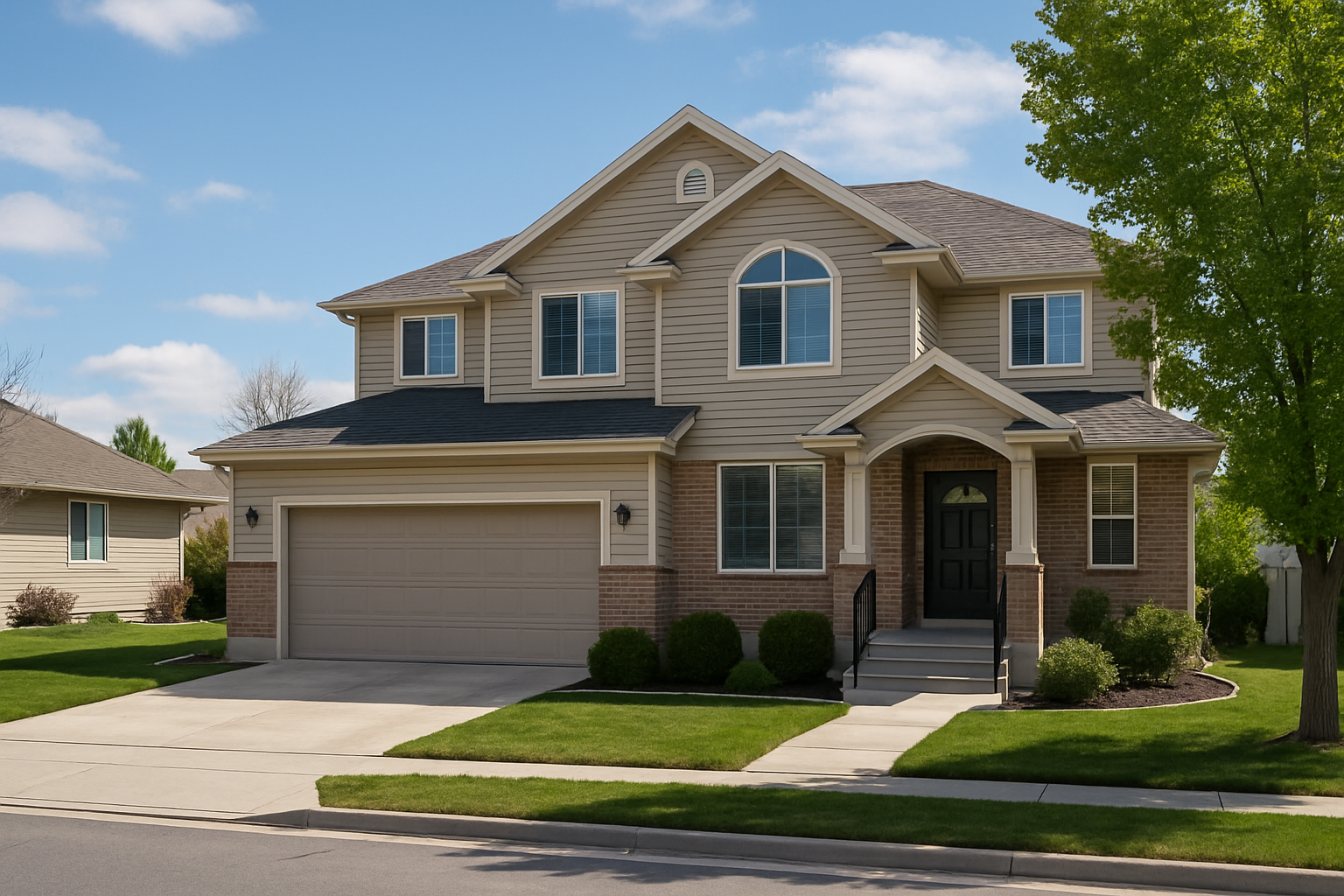
Can You Use a VA Loan to Buy REO or Foreclosure in Utah?
Yes — you can use a VA loan to buy an REO or foreclosure in Utah, but the property must meet VA minimum property requirements (MPRs), and the process involves more moving parts than a standard purchase. Bank-owned properties and HUD foreclosures are often sold as-is, which creates friction with VA appraisal standards. With the right agent and the right strategy, however, veterans and active-duty buyers in Davis County and along the Hill AFB corridor successfully close on foreclosure deals using VA financing every year.
What Is an REO Property and How Does It Differ From a Foreclosure?
REO stands for "Real Estate Owned" — these are properties that have already completed the foreclosure process and reverted to lender or government ownership. A foreclosure, in the broader sense, includes everything from pre-foreclosure (notice of default) through the trustee sale and into REO status. By the time a home shows up on the MLS as bank-owned, it is technically an REO property.
In Utah, the foreclosure process is primarily non-judicial, meaning lenders can foreclose through a trustee's sale without going through the court system. You can review the statutory framework at Utah State Courts for background on how Utah foreclosure law is structured. Once the trustee sale concludes, if no buyer steps in, the lender takes the home back and it becomes REO inventory available for purchase.
What Are VA Minimum Property Requirements and Why Do They Matter for REO Homes?
The Department of Veterans Affairs requires that any home financed with a VA loan be safe, sound, and sanitary at the time of closing. VA appraisers use these Minimum Property Requirements (MPRs) to flag issues like broken windows, missing appliances, roof damage, exposed wiring, or inoperable mechanical systems. REO and foreclosure homes are almost always sold in as-is condition — sellers will not make repairs — which puts them at direct odds with VA MPR standards.
This is where experience matters enormously. David Supinger, REO Specialist Certified with 17+ years of REO disposition experience and former NLB Listing Broker for HUD, FDIC, and Fannie Mae, has seen firsthand how MPR issues kill deals for unprepared buyers. "The VA isn't trying to make your life difficult," David explains. "The requirements exist to protect the veteran. The key is knowing which REO properties are worth pursuing and which ones will stall out at appraisal no matter how good the price looks."
Can You Buy a HUD Home in Utah With a VA Loan?
Yes, and HUD homes are actually one of the better foreclosure categories for VA buyers in Utah. HUD-owned properties come from FHA-insured loans that went into default and are sold through HUD.gov via an online bidding process. HUD categorizes its homes as either "Insured" (FI) or "Uninsured" (UI). Insured properties are typically in better condition and eligible for FHA or VA financing. Uninsured properties have significant issues and are generally cash-only purchases.
Veterans interested in HUD homes in Layton, Kaysville, Farmington, or Bountiful should use the HUD Home Store to identify FI-designated listings, then connect with a registered HUD selling agent. David Supinger has served as a registered HUD listing broker and understands the bidding windows, owner-occupant priority periods, and addendum requirements that trip up buyers who are new to the process.
Will VA Lenders Finance an As-Is Foreclosure?
The VA itself does not lend money — it guarantees loans made by private lenders. Those lenders follow VA guidelines but also apply their own overlays. Most VA lenders will finance an REO home provided the appraisal clears MPRs. The challenge is the as-is clause. When a bank or government agency sells an REO property, they contractually refuse repairs. If a VA appraiser flags a broken HVAC system or a compromised roof, you're stuck — unless you have a creative path forward.
Two options worth knowing: First, the VA allows an escrow holdback in limited circumstances, where funds are set aside at closing to complete required repairs after the fact. Second, a VA renovation loan (backed by specific lenders) allows buyers to finance repair costs into the mortgage itself. Neither option is universally available, but both exist and can save an otherwise solid deal.
What Types of Foreclosure Properties Work Best With VA Financing?
Not every foreclosure is a dead end for VA buyers. Properties that tend to work well include:
- HUD Insured (FI) homes with limited repair flags
- Fannie Mae HomePath properties that were previously FHA or conventionally financed and maintained by the servicer
- Bank REO homes where the lender has already invested in basic repairs or winterization and the property is functionally sound
- FDIC-held properties from failed institutions, which are sometimes priced aggressively and in workable condition
David Supinger's background as a former NLB Listing Broker for HUD, FDIC, and Fannie Mae gives him rare insight into how these selling entities evaluate, price, and negotiate their inventory. As Broker/Owner of HomeClick Real Estate with 33+ years in the business and more than 1,300 homes sold — including a Wall Street Journal Top 250 ranking at #189 nationally — David brings institutional knowledge that most buyer's agents simply don't have.
How Do You Write a Competitive Offer on an REO With VA Financing?
One concern buyers sometimes hear is that VA offers are less competitive than cash or conventional offers on REO homes. That is partially true in a hot market, but it is not a permanent obstacle. Strategies that help VA buyers compete include:
- Getting fully underwritten pre-approval before submitting any offer
- Demonstrating a clean file — strong credit, stable income, minimal debt
- Timing bids strategically around owner-occupant priority periods on HUD homes
- Working with an agent who has existing relationships with asset managers and listing brokers
- Understanding the seller's net requirements rather than just the list price
Veterans and active-duty buyers stationed at Hill AFB have used these strategies successfully in Layton and Bountiful. The Davis County corridor continues to offer distressed inventory at various price points, and a targeted search using UtahFreeHomeSearch.com can help you identify current bank-owned and HUD listings filtered by city or zip code.
Are There Additional Buyer Protections When Purchasing a Foreclosure?
Foreclosures come with reduced disclosure obligations compared to traditional resale homes. Sellers like HUD, banks, and the FDIC are exempt from many standard property condition disclosures because they have no firsthand knowledge of the property's history. That means the burden of due diligence falls entirely on the buyer.
VA buyers should always budget for an independent home inspection even though the property is being sold as-is. The inspection won't change the seller's willingness to negotiate repairs, but it gives you an honest picture of what you're buying before you close. Buyers working toward expertise in distressed property transactions can also explore educational resources like the Certified Short Sale Expert program to better understand how distressed sale categories differ. For broader market context, the National Association of REALTORS® publishes ongoing research on distressed property trends and buyer activity across the country.
If you're ready to start your search or want a professional review of your VA eligibility and options in Davis County, call David Supinger directly at 801-698-2526. With decades of hands-on REO experience and deep roots in the Farmington, Kaysville, Layton, and Bountiful markets, David can help you separate the promising opportunities from the money pits before you ever make an offer.
Frequently Asked Questions: VA Loan Buy REO Foreclosure Utah
Can a veteran use a VA loan on a bank-owned property in Utah?
Yes. VA financing is allowed on bank-owned REO properties in Utah provided the home meets VA Minimum Property Requirements at the time of appraisal. The primary challenge is the as-is sale condition typical of REO inventory. Working with an experienced REO buyer's agent significantly improves your chances of identifying properties that will clear the VA appraisal without major issues.
What happens if a VA appraiser flags required repairs on an as-is REO home?
If a VA appraiser identifies MPR deficiencies, the loan cannot close until those items are addressed. Since REO sellers typically refuse repairs, buyers must either negotiate a price reduction that covers independent repair costs, explore a VA renovation loan product, or, in some cases, request an escrow holdback arrangement with their lender. If none of those paths work, the deal may need to be abandoned in favor of a different property.
Are HUD homes a good option for VA buyers in Utah?
HUD homes can be an excellent option for VA buyers, particularly those categorized as "Insured" or "Insured with Escrow" by HUD, which signal that the property is in condition suitable for government-backed financing. VA buyers should bid during the owner-occupant priority window and work with a registered HUD selling agent familiar with the addendum requirements and HUD's negotiation parameters.
Does using a VA loan hurt your chances of winning an REO offer?
It can create a perception disadvantage, but it is not disqualifying. Banks and HUD evaluate offers based on net proceeds, timing, and buyer qualification. A well-prepared VA buyer with a strong pre-approval letter, a clean credit file, and an experienced agent can compete effectively — especially during owner-occupant priority periods when cash investors are excluded from bidding.
How do I find REO and HUD foreclosures in Davis County, Utah?
Active bank-owned and HUD properties in Davis County — including Layton, Kaysville, Farmington, and Bountiful — are listed on the MLS and available through UtahFreeHomeSearch.com at no cost. You can also monitor HUD's official inventory at HUD.gov/homesales. For personalized guidance on which properties are worth pursuing with VA financing, contact David Supinger at 801-698-2526.
This information is for educational purposes only and does not constitute legal or financial advice. Consult a licensed Utah attorney or financial adviser for guidance specific to your situation.
About David Supinger
David Supinger is REO Specialist Certified with 17+ years REO experience. NLB Listing Broker for HUD, FDIC, Fannie Mae. Broker/Owner HomeClick Real Estate, 33+ years. 801-698-2526 | utahfreehomesearch.com