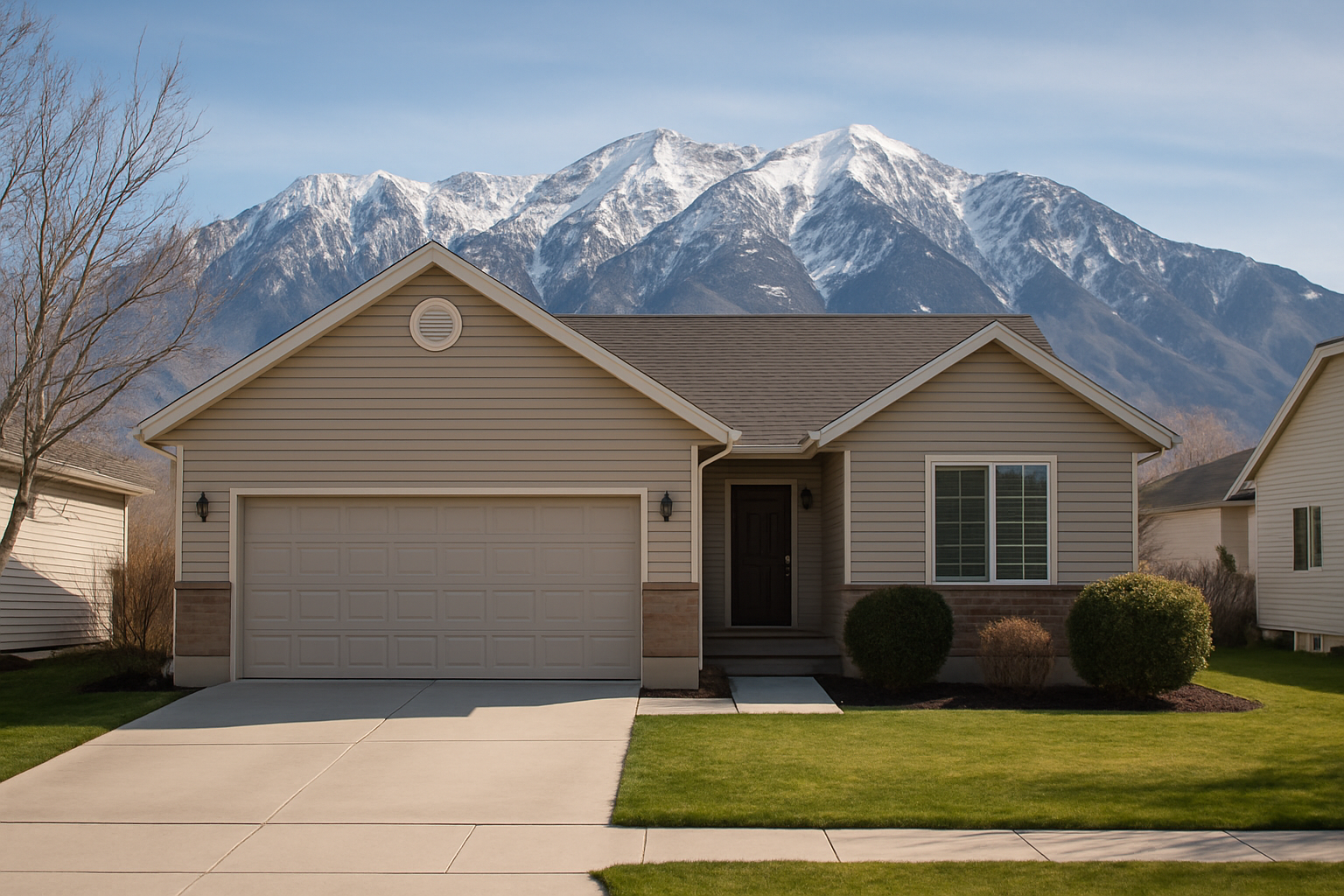
Can You Buy a Short Sale With FHA Financing in Utah?
Yes — you can absolutely buy a short sale with FHA financing in Utah, but there are specific conditions, timelines, and property standards you need to understand before making an offer. FHA loans are government-backed mortgages insured by the Federal Housing Administration, and they come with strict appraisal and habitability requirements that can complicate short sale purchases. With the right preparation and an experienced agent in your corner, however, FHA financing and short sales can work together very well — especially in competitive markets like Davis County, Kaysville, and Layton.
What Exactly Is a Short Sale, and How Does It Differ From a Foreclosure?
A short sale occurs when a homeowner sells their property for less than the outstanding mortgage balance, with the lender's permission. The seller is typically facing financial hardship — job loss, divorce, medical bills — and is trying to avoid foreclosure. Unlike a bank-owned REO property or a courthouse foreclosure auction (you can learn more about the legal process at Utah State Courts), a short sale still has a human seller involved. That means negotiations happen on two levels: with the seller and with the seller's lender.
For buyers, this distinction matters because short sales are generally in better condition than foreclosures. The seller is often still living in the home and maintaining it. That's good news for FHA buyers, because FHA loans require the property to meet minimum property standards — something foreclosures frequently fail to do.
What Are FHA's Minimum Property Requirements for Short Sales?
This is the single biggest hurdle for FHA buyers pursuing a short sale in Utah. FHA loans, administered under guidelines published at HUD.gov, require that the property be safe, sound, and secure at the time of purchase. An FHA appraiser will flag issues like:
- Peeling paint on homes built before 1978 (lead paint concern)
- Roof damage or evidence of active leaks
- Non-functional HVAC systems
- Exposed electrical wiring or outdated panels
- Foundation cracks or structural concerns
- Missing or broken handrails on stairs
- Broken windows or compromised exterior
If the FHA appraiser requires repairs before closing, someone has to pay for them. In a short sale, the seller's lender controls the net proceeds — meaning they're unlikely to approve a reduced payoff AND fund repair credits. This is where having a skilled negotiator becomes critical.
David Supinger, Broker/Owner of HomeClick Real Estate and holder of both the SFR (Short Sales & Foreclosure Resource) designation and the Certified Distressed Property Expert (CDPE) credential, has navigated this exact issue hundreds of times. "We try to identify FHA-problematic conditions during our initial walkthrough, before we even write the offer," David explains. "That way, we can either negotiate repair allowances upfront or advise the buyer on whether a different financing approach might make more sense for that specific property."
How Long Does a Short Sale Take When Using FHA Financing?
Short sales are known for taking longer than traditional sales — and adding FHA financing extends that timeline further. Here's a realistic breakdown for Utah buyers:
- Offer submission to lender review: 30–90 days. The seller's lender must review financials, order a BPO (Broker Price Opinion), and assign a negotiator.
- Short sale approval letter: Once issued, it typically gives you 30–45 days to close.
- FHA appraisal and underwriting: 2–4 weeks after the approval letter is received.
- Total timeline: Realistically 3–6 months from accepted offer to closing.
FHA has a specific guideline worth knowing: there is no mandatory waiting period to purchase a short sale with FHA financing, unlike some conventional loan guidelines. However, the property must not be re-purchased within 90 days by an investor — a rule that protects against property flipping, not a restriction on traditional buyers.
Can the Seller's Lender Refuse an FHA Offer?
Technically, lenders cannot legally discriminate against FHA offers. In practice, however, some lenders do prefer conventional or cash offers because FHA appraisals can result in repair requirements that reduce the lender's net recovery. This is more of a concern when multiple offers are competing on a short sale listing.
The good news in Davis County and along the Wasatch Front is that many short sale lenders have become more cooperative with FHA buyers over the years, particularly when the buyer is pre-approved, responsive, and represented by a credentialed agent. According to data from the National Association of REALTORS®, FHA financing continues to represent a significant share of first-time buyer transactions nationally — and lenders who routinely process short sales understand this buyer pool well.
What Are the Advantages of Buying a Short Sale With FHA in Utah?
Despite the complexity, there are real advantages to this combination:
- Below-market pricing: Short sales are often priced 5–15% below comparable market-rate listings, giving FHA buyers more room to work with the lower down payment (3.5%).
- Better condition than foreclosures: As noted, sellers in short sales usually maintain the property, making FHA approval more achievable.
- Motivated sellers: Short sale sellers want out. Once lender approval is obtained, the transaction often moves quickly.
- Equity opportunity: Buyers in Farmington, Bountiful, and Kaysville who purchased short sales during previous market cycles built substantial equity — even with FHA's modest down payment.
Do You Need a Specialist Agent for an FHA Short Sale Purchase?
Strongly, yes. This is not a transaction for a generalist agent. Short sale lender negotiations require specific knowledge of loss mitigation protocols, lender-specific timelines, and documentation packages. FHA overlays add another layer of complexity that most buyers' agents rarely encounter.
David Supinger carries both the SFR designation from the National Association of REALTORS® and the CDPE credential — two of the most recognized distressed property certifications in the industry. He is also currently pursuing his CSSE designation through the Certified Short Sale Expert program, keeping his skills at the leading edge of an evolving field. With 33+ years of experience, 1,300+ homes sold, and a Wall Street Journal ranking of #189 nationally among Top 250 agents, David brings a level of credibility to the negotiating table that directly benefits his buyers.
When a bank's loss mitigation department receives a short sale package from an agent with David's credentials, the transaction is taken more seriously from the first contact. That matters when you're waiting on approval from a lender who processes hundreds of files simultaneously.
How Do I Find Short Sale Listings in Utah Right Now?
Start your search at UtahFreeHomeSearch.com, where you can browse current MLS listings across Davis County and surrounding areas — including Farmington, Kaysville, Layton, Bountiful, and the Hill AFB corridor — without registration walls or pressure. Filter by price range and property type to identify potential short sale opportunities in neighborhoods that fit your lifestyle and commute.
Once you've identified properties of interest, contact David Supinger directly at 801-698-2526 to discuss which listings may be short sales, how FHA would apply, and what your timeline and offer strategy should look like. Getting expert guidance before you fall in love with a property saves significant frustration later.
Frequently Asked Questions: Buying a Short Sale With FHA Financing in Utah
Is there a waiting period to buy a short sale with an FHA loan?
No mandatory waiting period exists for buyers purchasing a short sale with FHA financing, as long as you are not the previous owner and the property is not being flipped within 90 days of a prior investor purchase. Standard FHA guidelines apply to creditworthiness and property condition, but there is no specific seasoning requirement tied to short sale status.
What happens if the FHA appraisal requires repairs on a short sale?
If the FHA appraisal flags required repairs, you have several options: negotiate with the seller's lender to include a repair allowance in the short sale approval, request that the seller complete repairs before closing if they are still occupying the home, use an FHA 203(k) rehabilitation loan if the issues are significant, or switch to conventional financing with a lower down payment if you qualify. An experienced short sale agent like David Supinger can help you evaluate which path makes the most sense for your situation.
Can I make a low offer on a short sale as an FHA buyer?
You can make any offer you choose, but the seller's lender — not just the seller — must approve the purchase price. Lenders order a Broker Price Opinion or appraisal of their own to establish a minimum acceptable net. FHA buyers who offer significantly below that threshold will face rejection from the lender regardless of the seller's willingness to accept. Coming in at or near fair market value gives FHA buyers the best chance of approval.
Does FHA cover homes in any condition in Utah?
No. FHA loans require the property to meet HUD's Minimum Property Standards at the time of closing. Properties with major structural issues, significant deferred maintenance, health or safety hazards, or missing systems like heating will not qualify for FHA financing unless those conditions are remedied before the loan closes. This is why short sales in Utah's colder climates — where heating systems are essential — must be carefully evaluated before submitting an FHA offer.
What documents do I need ready as an FHA buyer making a short sale offer?
You should have a current FHA pre-approval letter from your lender (not just a pre-qualification), proof of funds for your down payment and closing costs, and be prepared to submit earnest money promptly. Some short sale lenders also request a buyer's financial profile as part of the approval package. Being organized and responsive shortens the overall timeline considerably.
This information is for educational purposes only and does not constitute legal or financial advice. Consult a licensed Utah attorney or financial adviser for guidance specific to your situation.
About David Supinger
David Supinger holds the SFR and CDPE certifications and is pursuing his CSSE designation. Negotiating Utah short sales since the 1990s. Broker/Owner HomeClick Real Estate, 33+ years. 801-698-2526 | utahfreehomesearch.com