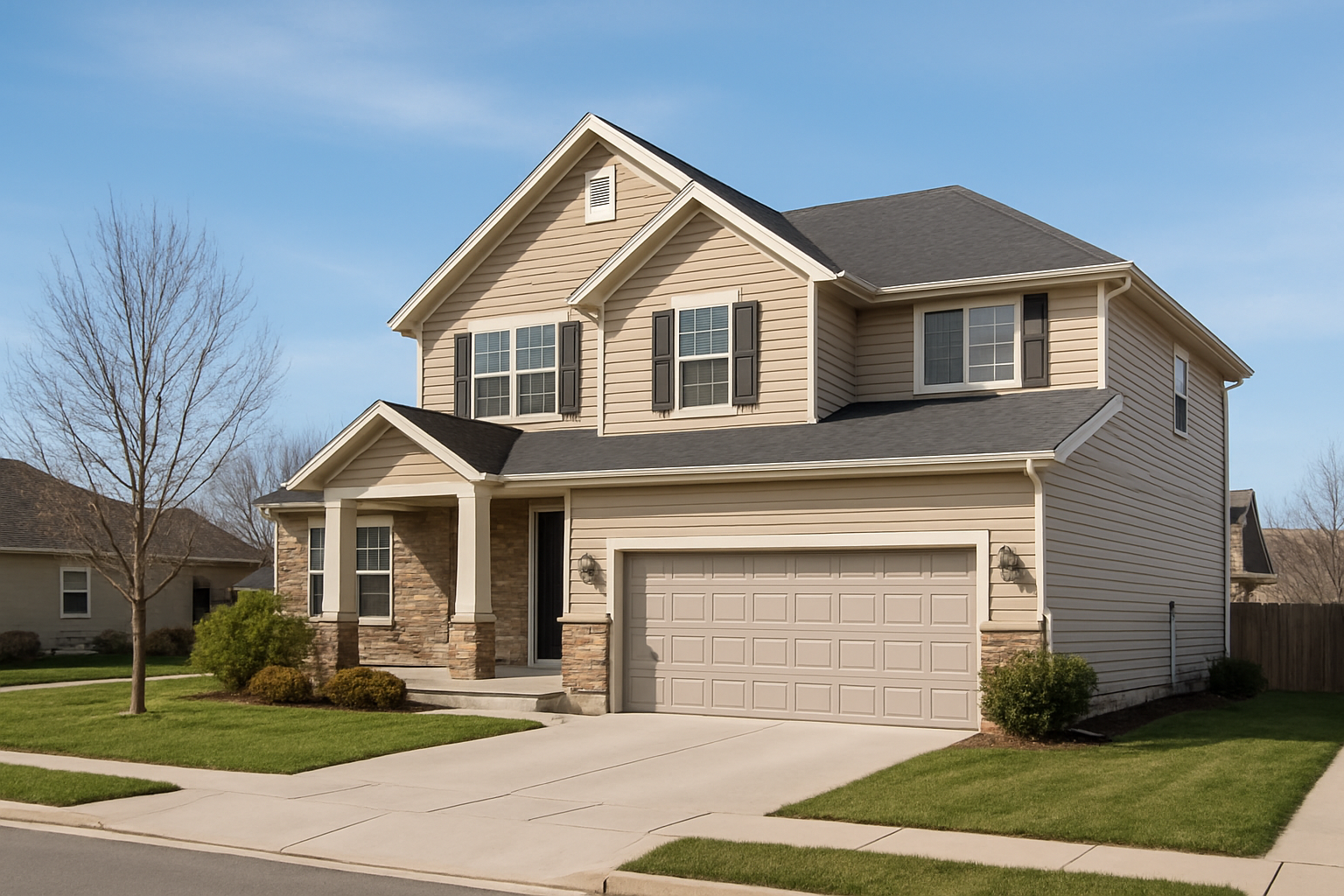
Bank-Owned Homes in Utah 2026 — REO Buyer's Complete Guide
Bank-owned homes in Utah — also called REO (Real Estate Owned) properties — are homes that have completed the foreclosure process and are now owned directly by a lender, government agency, or mortgage investor. In 2026, REO inventory in Utah remains a viable path for buyers seeking below-market opportunities, but the process is more complex than a standard home purchase. This guide walks you through exactly how REO buying works in Utah, what pitfalls to avoid, and how to work with an experienced specialist to protect your interests.
What Does "Bank-Owned" or REO Mean in Utah Real Estate?
When a homeowner defaults on a mortgage and the property goes through foreclosure without being purchased at the trustee's sale, the lender takes title to the home. At that point, it becomes "Real Estate Owned" — REO. In Utah, this process is governed by the Utah Trust Deed Act, and buyers can review foreclosure procedural timelines through Utah State Courts.
REO sellers include national banks, credit unions, the Federal Housing Administration, and government-sponsored enterprises. Properties listed through federal programs — such as those managed by HUD.gov — follow specific bidding rules, owner-occupant priority periods, and as-is sale conditions that differ significantly from traditional seller transactions.
David Supinger, REO Specialist Certified and Broker/Owner of HomeClick Real Estate with 33+ years and over 1,300 homes sold, served as a National Listing Broker (NLB) for HUD, FDIC, and Fannie Mae. That rare background means he has operated on both sides of the REO table — listing distressed assets for agencies and now guiding buyers through the same system.
Why Are Bank-Owned Homes Attractive to Utah Buyers in 2026?
REO properties can offer meaningful savings compared to retail listings, but the appeal goes beyond price. Here's why motivated buyers across Davis County and the Wasatch Front are paying attention:
- Clear title: Unlike buying at the trustee's sale, REO purchases come with a clean chain of title because the lender has resolved liens and encumbrances prior to listing.
- Inspectable property: Most REO sellers — including HUD — allow a physical inspection period, giving buyers visibility into the home's condition before committing.
- Financing eligible: REO homes listed on the MLS can typically be purchased with FHA, VA, conventional, or cash financing, unlike many auction properties.
- Motivated sellers: Banks and agencies want non-performing assets off their books. In competitive pockets like Layton, Kaysville, and Farmington, this can translate into negotiated price reductions or seller-paid closing cost contributions.
According to research published by the National Association of REALTORS®, distressed properties — including REO — consistently represent a subset of overall sales where informed buyers with professional representation capture the strongest outcomes.
How Is the REO Buying Process Different From a Standard Home Purchase?
The REO process has several non-negotiable differences that catch unprepared buyers off guard:
As-Is condition. REO sellers do not repair, replace, or provide credits for property condition items discovered in inspection. The buyer accepts the property in its current state. This makes your pre-offer walkthrough and post-offer inspection especially critical.
Addendum-heavy contracts. Banks, HUD, and Fannie Mae use their own purchase addenda that override or supplement the standard REPC (Real Estate Purchase Contract). These addenda contain clauses favorable to the seller — tight timelines, limited representations, and strict default consequences for buyers who miss deadlines.
Counter-offer delays. Institutional sellers work through asset managers, which can mean 24–72 hour response windows. Your earnest money and due diligence timelines must be structured accordingly.
Utility activation. REO homes are often winterized or utilities are disconnected. Buyers must coordinate utility activation for inspections, sometimes paying deposits or scheduling activation windows.
David Supinger's 17+ years of REO disposition experience means he has read, negotiated, and closed hundreds of these institutional addenda. For buyers in Bountiful, Layton, or anywhere along the Hill AFB corridor, having that fluency in your corner is a measurable advantage.
What Should Utah Buyers Look for When Evaluating an REO Property?
Not every bank-owned home is a deal. Here's a practical due diligence checklist:
- Foundation and structural integrity — deferred maintenance in vacant homes accelerates settling and moisture intrusion.
- Plumbing and HVAC condition — winterization sometimes causes pipe damage; re-commissioning costs can be significant.
- Permit history — unpermitted additions or conversions create title and financing complications.
- HOA arrears — while the lender clears most liens, confirm HOA dues and any outstanding compliance violations with the association directly.
- Neighborhood comparable sales — an REO listing price below market is only valuable if the repair costs don't eliminate the discount.
Buyers searching active Utah REO and distressed listings can start at UtahFreeHomeSearch.com, where the full MLS is available at no cost — no registration walls, no data harvesting.
How Does REO Differ From a Short Sale in Utah?
These terms are often conflated but represent different stages of distress. A short sale occurs before foreclosure — the homeowner is still on title, and the lender must approve a sale for less than the balance owed. REO comes after foreclosure, when the lender already owns the asset.
Short sales can offer similar pricing opportunities but involve longer timelines and different negotiation dynamics. If you are evaluating a pre-foreclosure or short sale property alongside REO options, the Certified Short Sale Expert program provides a useful framework for understanding how lender approvals and borrower negotiations work in those transactions.
David Supinger holds experience across both categories and can walk you through side-by-side scenarios so you pursue the structure that best matches your timeline and risk tolerance.
Is Now a Good Time to Buy REO Homes in Utah?
Inventory in Davis County and across the Wasatch Front remains constrained in the broader market, which makes REO listings — when they appear — draw immediate attention. Interest rates in 2026 have created affordability pressure for many buyers, and REO properties priced at or below market offer a potential entry point that otherwise does not exist in retail inventory.
The key is moving quickly and correctly. REO listings in desirable zip codes — Farmington, Kaysville, Layton — frequently receive multiple offers within the first bid window. Buyers who are pre-approved, have inspectors on standby, and work with a broker fluent in institutional contracts are far better positioned than buyers navigating REO for the first time alone.
To speak with David Supinger directly about REO opportunities in your target area, call 801-698-2526 or search current listings at UtahFreeHomeSearch.com.
Frequently Asked Questions: Bank-Owned Homes in Utah
Can I finance a bank-owned home in Utah with an FHA loan?
Yes, in most cases. REO properties listed on the MLS are eligible for FHA, VA, and conventional financing as long as the property meets minimum condition standards for the loan type. HUD-owned homes have a specific owner-occupant priority period during which FHA financing is encouraged. Some heavily distressed REO properties may require cash or renovation financing if they do not meet appraisal standards for traditional loans.
Who pays closing costs on a bank-owned home in Utah?
REO sellers typically sell as-is and as-is on costs, but this is negotiable. Some institutional sellers — particularly HUD — offer closing cost assistance through specific programs for owner-occupant buyers. Your offer strategy should account for this, and an experienced REO buyer's agent can advise on whether requesting seller contributions will strengthen or weaken your bid in a given situation.
How long does it take to close on an REO home in Utah?
Closing timelines vary by seller. HUD typically targets 45-day closings. Bank and Fannie Mae REO contracts often specify 30–45 days with penalties or cancellation rights if the buyer cannot perform. Utah's non-judicial foreclosure and title process supports reasonably fast closings, but delays in financing, inspection resolution, or asset manager approvals can extend timelines. Plan for 30–60 days from accepted offer to closing.
Are there risks specific to buying REO in Utah that I should know about?
The primary risks are property condition unknowns, as-is contract terms that limit your ability to renegotiate after inspection, and institutional addenda that shift default risk onto the buyer. Additionally, some REO properties in Utah carry unresolved code violations or IRS liens that survive the foreclosure process. A thorough title commitment review and working with a broker who has direct REO disposition experience — like David Supinger — are the two most effective risk mitigation steps available to buyers.
Where can I search for bank-owned homes in Utah for free?
The full Utah MLS, including REO and distressed listings, is available at no cost at UtahFreeHomeSearch.com. You can filter by price, city, property type, and listing status. For HUD-specific listings, HUD.gov maintains a dedicated home store with all FHA-foreclosed properties currently available for purchase.
This information is for educational purposes only and does not constitute legal or financial advice. Consult a licensed Utah attorney or financial adviser for guidance specific to your situation.
About David Supinger
David Supinger is REO Specialist Certified with 17+ years REO experience. NLB Listing Broker for HUD, FDIC, Fannie Mae. Broker/Owner HomeClick Real Estate, 33+ years. 801-698-2526 | utahfreehomesearch.com