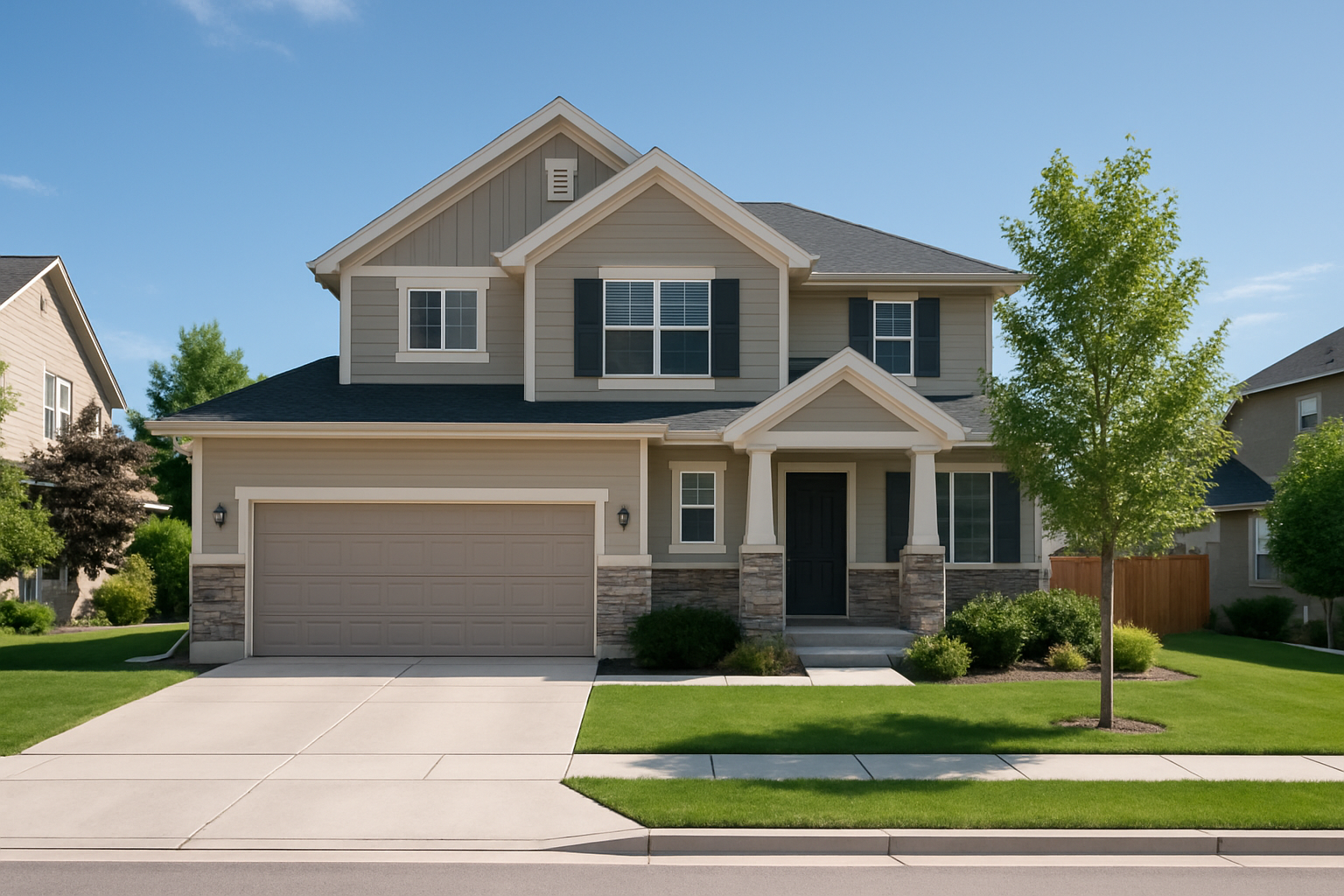
Bank-Owned Homes in Utah 2026 — REO Buyer's Complete Guide
Bank-owned homes in Utah — also called REO (Real Estate Owned) properties — are homes that have completed the foreclosure process and are now owned directly by a lender, government agency, or mortgage guarantor. In 2026, REO inventory in Utah remains a viable path for buyers seeking below-market opportunities, but the process requires specialized knowledge, patience, and the right professional guidance. This guide walks you through exactly how REO purchases work in Utah, what pitfalls to avoid, and how to compete effectively in a market where well-priced bank-owned homes can still attract multiple offers.
What Exactly Is a Bank-Owned (REO) Home in Utah?
When a Utah homeowner stops making mortgage payments and the lender forecloses, the property goes to a trustee sale. If no buyer purchases it at auction — which happens frequently — the lender takes title. At that point, the home becomes "Real Estate Owned" by the bank, credit union, or government-backed entity that held the mortgage. Common REO sellers in Utah include traditional banks, credit unions, HUD.gov (for FHA-insured loans), Fannie Mae, Freddie Mac, and the FDIC. Each seller category has its own contract forms, timelines, and disclosure requirements — which is why working with a true REO specialist matters enormously.
David Supinger, Broker/Owner of HomeClick Real Estate and an REO Specialist Certified professional, has worked directly as a National Listing Broker for HUD, FDIC, and Fannie Mae. With 17+ years of REO disposition experience and more than 1,300 homes sold over a 33-year career, he understands the nuances of each asset type better than almost any agent operating in Davis County today.
How Does the Utah Foreclosure Process Work Before REO Status?
Utah is primarily a non-judicial foreclosure state, meaning lenders can foreclose through a trustee process without going through the court system, typically completing the process in as little as 120 days after a notice of default. However, judicial foreclosures do occur in certain circumstances. Buyers interested in understanding their legal rights or the foreclosure timeline can review resources through Utah State Courts, which publishes official guidance on foreclosure procedures and borrower rights.
Once the trustee sale concludes without a third-party buyer, the lender records a trustee's deed and the property officially becomes REO. The lender then typically hires an asset management company and assigns the listing to a vetted local broker — someone like David Supinger, who has filled exactly that role as a former NLB Listing Broker in the Davis County and greater Wasatch Front markets.
Where Can I Search for Bank-Owned Homes in Utah Right Now?
The fastest way to find current REO listings in Davis County — including Farmington, Kaysville, Layton, Bountiful, and the Hill AFB corridor — is to search the live MLS directly. UtahFreeHomeSearch.com gives buyers free, real-time access to Utah MLS listings with no registration wall. You can filter by price, location, and property status to identify bank-owned and distressed properties as soon as they hit the market. Speed matters with REO inventory — the best-priced homes in desirable school districts and neighborhoods near Hill AFB often receive offers within the first weekend.
What Are the Biggest Advantages of Buying a Bank-Owned Home?
REO homes offer several genuine advantages for informed buyers:
- Clear title. Unlike a raw foreclosure auction purchase, REO properties are sold with a clear, insurable title. The lender has already resolved outstanding liens, back taxes, and competing claims as part of the foreclosure process.
- Physical access. You can schedule showings, conduct inspections, and bring contractors through the property before making an offer — something you cannot do at a trustee sale.
- Financing eligibility. Most REO properties qualify for conventional, FHA, VA, and USDA financing. HUD homes specifically have programs designed for owner-occupant buyers and certain nonprofits.
- Potential below-market pricing. Lenders are motivated sellers. They carry REO properties as non-performing assets on their books, creating genuine pricing motivation — especially as inventory ages.
- Negotiable repairs or credits. While REO homes are sold "as-is," there is often room to negotiate closing cost contributions or pricing adjustments based on inspection findings.
What Are the Risks and Drawbacks Buyers Need to Know?
REO purchases are not without challenges. Banks use their own addenda and contracts that heavily favor the seller, limit buyer remedies, and impose strict timelines. Delays in bank response times are common. Properties are sold as-is, meaning deferred maintenance, vandalism, missing appliances, and winterization damage are all buyer responsibilities once the sale closes.
Additionally, if the previous homeowner attempted a short sale before foreclosure was completed, the transaction timeline and title considerations can become more complex. Understanding the difference between short sales, pre-foreclosure, and REO status is essential. The Certified Short Sale Expert program provides valuable context on how distressed sale categories differ and how professionals navigate each one on behalf of buyers and sellers.
Market data from the National Association of REALTORS® consistently shows that distressed property transactions take longer to close and have higher contract fall-through rates than traditional sales — making professional guidance not just helpful, but essential.
How Do I Make a Competitive Offer on a Utah REO Property?
Bank asset managers evaluate offers based on net proceeds, not just purchase price. A clean, well-structured offer with strong financing pre-approval, minimal contingencies, and a flexible closing timeline will frequently beat a slightly higher offer that appears weak on paper. David Supinger has represented buyers on REO transactions across Davis County for over 17 years and knows what local asset managers respond to — including the documentation requirements, proof-of-funds formats, and addenda language that each major seller type requires.
For HUD homes specifically, the bidding process occurs through an online portal with defined owner-occupant priority periods. Investors cannot bid until the owner-occupant window closes. Understanding these rules is the difference between securing a property and missing it entirely.
Is 2026 a Good Time to Buy Bank-Owned Homes in Utah?
REO inventory nationally has been gradually increasing from historic post-pandemic lows, and Utah is no exception. While Utah's strong employment base — anchored in part by Hill AFB operations, the tech corridor, and healthcare growth along the Wasatch Front — has kept distressed inventory relatively contained, 2026 brings more opportunity than buyers have seen in several years. Interest rate normalization, adjusted home price expectations, and a modest uptick in foreclosure completions are creating a window that experienced buyers should take seriously.
David Supinger's recognition as a Wall Street Journal Top 250 agent (#189 nationally) reflects consistent high-volume, high-quality transaction experience across all market conditions — including the distressed cycles of 2008–2012 that shaped today's REO best practices.
If you're ready to explore bank-owned opportunities in Davis County or anywhere along the Wasatch Front, start your search at UtahFreeHomeSearch.com and call David directly at 801-698-2526 for a no-pressure consultation on current inventory and strategy.
Frequently Asked Questions: Bank-Owned Homes in Utah 2026
- Q: Can I use FHA financing to buy a bank-owned home in Utah?
-
A: Yes, in most cases. The majority of REO properties — including HUD homes — are eligible for FHA financing as long as the property meets minimum condition standards. Some heavily distressed properties may require conventional or rehabilitation loan products like the FHA 203(k). David Supinger can help you identify which financing approach fits a specific property before you write an offer.
- Q: Are bank-owned homes always priced below market value in Utah?
-
A: Not always. Lenders commission independent broker price opinions and appraisals before listing REO properties, and they price accordingly. That said, as a property sits on the market or requires significant repair, price reductions do occur. The best pricing opportunities often arise on properties that have been listed for 30–60+ days or that require work most buyers are unwilling to take on.
- Q: Who pays closing costs on a Utah REO purchase?
-
A: This is negotiable. Many REO sellers, including HUD, will contribute toward buyer closing costs under the right conditions — particularly for owner-occupant purchasers. The contribution amount, structure, and eligibility depend on the specific asset manager, list price, and offer terms. Your agent should negotiate this as part of the initial offer strategy.
- Q: How long does it take to close on a bank-owned home in Utah?
-
A: REO closings typically take 30–45 days, though government-owned properties like HUD homes can sometimes take 45–60 days due to administrative processes. Bank response times on counter-offers and addenda can also add days to the timeline. Build flexibility into your plans and ensure your lender is experienced with REO transactions.
- Q: Do I need a home inspection on a bank-owned property?
-
A: Absolutely — and it may be the most important inspection you ever order. REO homes are sold strictly as-is. Sellers will not make repairs, but inspection findings give you critical information to make an informed decision, negotiate pricing or credits, budget for future work, and avoid costly surprises after closing. Never waive your inspection contingency on an as-is REO property.
This information is for educational purposes only and does not constitute legal or financial advice. Consult a licensed Utah attorney or financial adviser for guidance specific to your situation.
About David Supinger
David Supinger is REO Specialist Certified with 17+ years REO experience. NLB Listing Broker for HUD, FDIC, Fannie Mae. Broker/Owner HomeClick Real Estate, 33+ years. 801-698-2526 | utahfreehomesearch.com