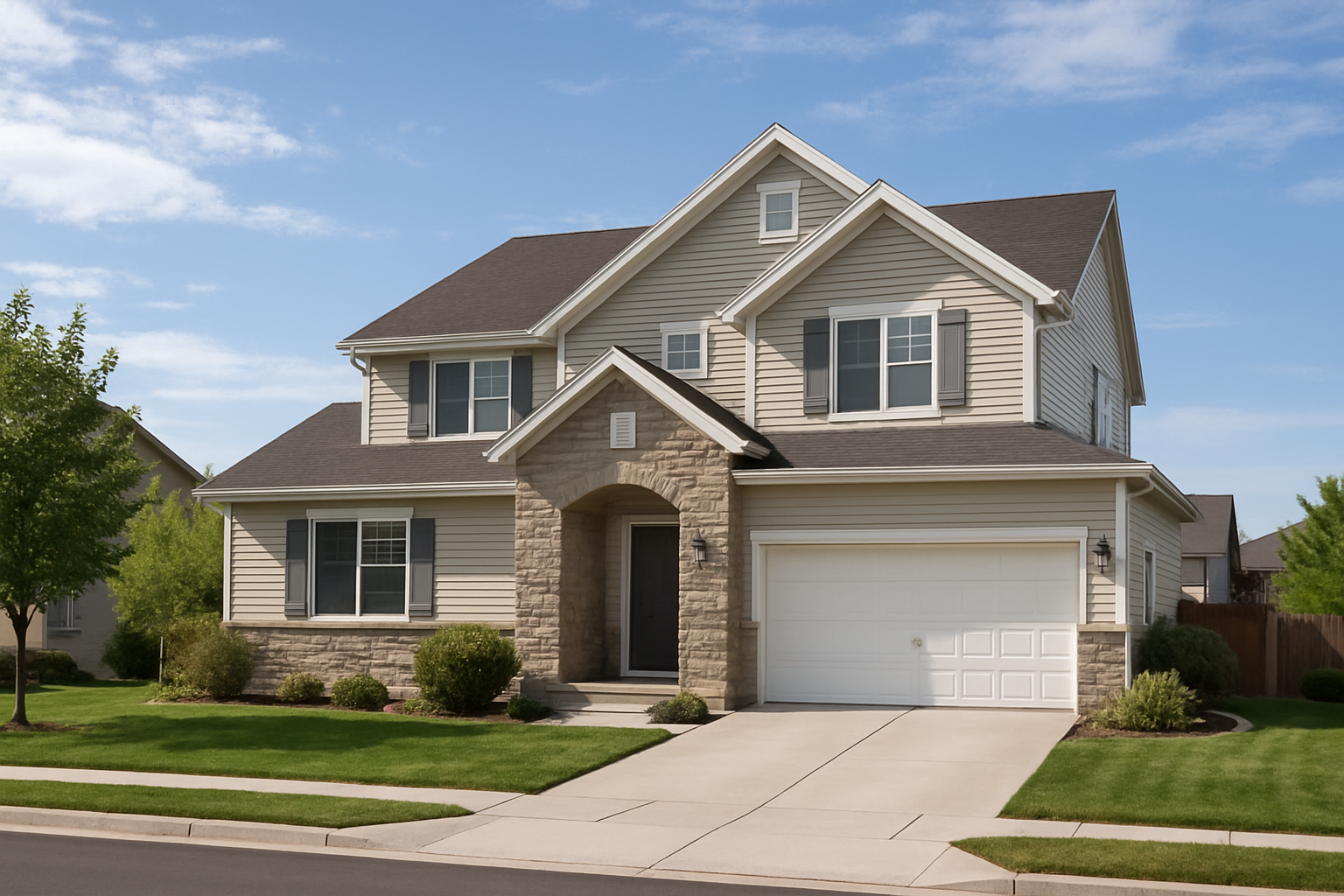
Bank-Owned Homes in Utah 2026 — REO Buyer's Complete Guide
Bank-owned homes in Utah — also called REO (Real Estate Owned) properties — are homes that have completed the foreclosure process and are now held directly by a lender, government agency, or mortgage insurer. In 2026, REO inventory in the Davis County corridor remains limited but represents a real opportunity for prepared buyers willing to navigate a process that differs significantly from a traditional home purchase. If you want a straightforward answer: yes, you can buy a bank-owned home in Utah at a meaningful discount, but you need the right agent, the right expectations, and a clear understanding of how REO transactions actually work.
What Exactly Is a Bank-Owned or REO Home?
When a homeowner stops making mortgage payments, the lender initiates foreclosure. In Utah, most residential foreclosures are non-judicial — meaning they proceed through a trustee sale rather than the court system, though some cases do involve litigation through Utah State Courts. If no bidder meets the minimum price at the trustee sale, the lender takes title to the property. At that point, the home officially becomes "Real Estate Owned" — bank-owned inventory that the lender now needs to sell.
Depending on the loan type, these properties may be managed by different entities. FHA-insured loans typically land with HUD.gov, while conventional loans backed by Fannie Mae or Freddie Mac feed into those agencies' REO programs. FDIC-held properties come from failed banks. Each channel has its own bidding rules, timelines, and condition expectations — which is exactly why working with a specialist matters.
Why Are REO Homes Priced Below Market Value?
Lenders are not in the business of owning real estate. Every month a bank holds an REO property, it carries costs — insurance, property taxes, maintenance, and carrying costs on non-performing assets. Their motivation is disposition speed, not maximum profit. This creates a genuine pricing opportunity for buyers.
That said, discounts vary. A well-maintained single-family home in Kaysville or Farmington that was recently occupied may sell close to market value. A neglected property near the Hill AFB corridor in Layton that has been vacant for eighteen months — with deferred maintenance and possible vandalism — may be priced 10–25% below comparable homes. The discount reflects condition risk, not a hidden windfall. Buyers who go in with clear eyes tend to do well. Buyers who assume every REO is a steal tend to get surprised by repair bills.
How Is Buying a Bank-Owned Home Different From a Traditional Purchase?
Several key differences set REO transactions apart:
- As-Is condition: Banks sell REO properties as-is. They will not make repairs, provide a seller's disclosure with meaningful information, or credit you for defects discovered during inspection. Your inspection period exists so you can walk away — not to negotiate repairs.
- Addenda and contracts: Asset management companies and government agencies require their own purchase contracts and addenda, which supersede the standard Utah Real Estate Purchase Contract in most cases. These documents heavily favor the seller.
- Extended closing timelines: Government-held properties — particularly HUD homes — can have approval delays, title issues, and occupancy restrictions that stretch timelines to 45–60 days or longer.
- Earnest money terms: REO sellers often require larger earnest money deposits and stricter forfeiture terms than you'd encounter in a private sale.
- Clear title: Unlike buying at a trustee sale, purchasing a bank-owned home does provide clear title. Lenders clear liens before selling — a significant protection for buyers.
How Do I Find Bank-Owned Homes for Sale in Utah Right Now?
The most reliable way to find current REO listings in Davis County — Bountiful, Farmington, Kaysville, Layton, and surrounding areas — is through the Utah MLS. Most bank-owned listings appear in the standard MLS feed and are searchable on UtahFreeHomeSearch.com, which provides free, real-time MLS access without requiring you to create an account or hand over your information. You can filter by price, location, and property type to identify potential REO candidates.
In addition to the MLS, HUD homes are listed exclusively at HUD.gov through their HomeStore portal. Fannie Mae REO properties are listed on HomePath.com, and Freddie Mac uses HomeSteps.com. An experienced REO buyer's agent can monitor all of these channels simultaneously — which is a meaningful advantage in a market where well-priced REO homes can receive multiple offers within days of listing.
Do I Need a Special Agent to Buy a Bank-Owned Home in Utah?
You don't legally need a specialist, but practically speaking, the difference is enormous. REO transactions involve asset management companies, government portals, specialized contracts, and timelines that can derail an agent unfamiliar with the process.
David Supinger, Broker/Owner of HomeClick Real Estate, brings more than 33 years of real estate experience to REO buyers in Davis County and along the Wasatch Front. He holds REO Specialist Certification and has 17+ years of REO disposition experience — including service as a National Listing Broker (NLB) for HUD, the FDIC, and Fannie Mae. That background means he has operated on both sides of the REO transaction: as the listing broker selling bank-owned properties on behalf of government agencies, and as a buyer's representative helping clients navigate those same systems.
With 1,300+ homes sold and recognition as a Wall Street Journal Top 250 agent — ranked #189 nationally — David brings institutional knowledge to what can otherwise be a confusing and high-stakes process. You can reach him directly at 801-698-2526.
What Should I Know About Financing a Bank-Owned Home?
Most REO properties can be financed conventionally, with FHA, VA, or USDA loans — provided the home meets the condition standards required by those loan types. This is where many REO deals fall apart. FHA and VA appraisers will flag health-and-safety issues: missing handrails, broken windows, inoperable HVAC systems, or evidence of water intrusion. If the lender won't make repairs (and they usually won't), you may need to switch to a conventional loan, a 203(k) rehabilitation loan, or a cash purchase.
Fannie Mae's HomePath program offers its own financing product with flexible down payment requirements on HomePath-listed properties — worth exploring if you find a qualifying home. David Supinger can help you match the right financing vehicle to the specific property and its condition before you get under contract.
How Does an REO Purchase Differ From a Short Sale?
A short sale occurs before foreclosure is complete — the homeowner is still on title but owes more than the home is worth, and the lender must approve any sale. REO means foreclosure is finished and the bank owns the property outright. Short sales typically involve longer wait times for lender approval and more complex negotiations. If you're also considering short sales as part of your distressed-property search, resources like the Certified Short Sale Expert program outline how that process works in detail.
For buyers focused on Davis County in 2026, REO inventory tends to move faster and with more pricing clarity than short sales — though both can represent strong value for prepared buyers. According to the National Association of REALTORS®, distressed property transactions continue to represent a small but meaningful share of total home sales, with investor activity competing directly with owner-occupant buyers in entry-level price ranges.
Tips for Making a Competitive REO Offer in 2026
- Get fully pre-approved — not just pre-qualified — before submitting any offer. Asset managers and their software systems will reject or deprioritize offers without strong financing documentation.
- Submit clean offers. Unusual contingencies, extended inspection periods, or requests for closing cost credits signal an inexperienced buyer to REO asset managers.
- Be responsive. Banks often counter with short acceptance windows — 24 to 48 hours. Slow responses can cost you the property.
- Use an agent who knows the portals. HUD bids, for example, are submitted through an online system and require a registered buyer's agent code. David Supinger's background as a former NLB Listing Broker means he knows exactly how these systems operate.
- Inspect thoroughly and price your offer accordingly. Since you're buying as-is, your offer price should reflect a realistic estimate of repair costs — not the assumption that the price is already discounted enough to cover everything.
Frequently Asked Questions: Bank-Owned Homes in Utah 2026
Are bank-owned homes always cheaper than regular listings in Utah?
Not always. REO homes can be priced at or near market value when they're in good condition or located in high-demand areas. The discount — when it exists — reflects condition risk, deferred maintenance, and the lender's motivation to sell quickly. Always compare the REO price against comparable sales after factoring in estimated repair costs.
Can I tour a bank-owned home before making an offer?
Yes. Most MLS-listed REO properties in Utah allow buyer showings through a registered buyer's agent. Some HUD homes have specific showing windows. You should always tour the property and conduct a full inspection during your contingency period — never waive your right to inspect an as-is property.
How long does it take to close on a bank-owned home in Utah?
Timelines vary by asset manager and loan type. Conventional REO closings can sometimes close in 30 days. Government-held properties — especially HUD homes — often require 45–60 days. Your agent should set expectations at the offer stage and build timeline buffers into your housing transition plan.
Do banks pay closing costs on REO properties in Utah?
Sometimes, particularly on HUD homes where owner-occupant buyers may receive closing cost assistance in specific bidding periods. Conventional bank REO sellers generally do not cover buyer closing costs. Some programs, like Fannie Mae HomePath, have offered periodic buyer incentives. Verify current program terms with your REO-specialist agent before assuming any credits.
What happens if problems are discovered after closing on an REO home?
Because REO homes are sold as-is with limited seller disclosure, legal remedies are narrow after closing. This is why a thorough pre-offer inspection — and potentially specialized inspections for HVAC, roof, foundation, and sewer — is critical. Budget for repairs before you make your offer, not after you own the property. For complex post-closing disputes, consulting a Utah real estate attorney is advisable.
This information is for educational purposes only and does not constitute legal or financial advice. Consult a licensed Utah attorney or financial adviser for guidance specific to your situation.
About David Supinger
David Supinger is REO Specialist Certified with 17+ years REO experience. NLB Listing Broker for HUD, FDIC, Fannie Mae. Broker/Owner HomeClick Real Estate, 33+ years. 801-698-2526 | utahfreehomesearch.com